A guest safe that locks a traveler out mid-stay is a service failure you can prevent with a 90-second reset procedure and a monthly maintenance routine. Most hotel safe problems trace back to forgotten guest codes, drained batteries, and default master codes that were never changed. This guide walks hoteliers through resetting digital guest safes, maintaining them on a schedule, and securing them against the most common failure modes — with hospitality-grade hardware from DERBAL’s hotel safe guard lineup as the reference.

Key Takeaways
- Follow the brand-specific reset sequence — usually holding # and pressing the master code — to recover a locked safe in about 90 seconds.
- Schedule battery checks every 90 days and change default master codes before first guest arrival; roughly 35% of hotel security incidents trace back to improper safe use or maintenance, per a Security Industry Association (SIA) white paper.
- Around 43% of hotel guests use in-room safes, making a working, well-signposted safe a real guest-experience factor, not a checkbox amenity.
- Choose safes with anti-theft certification such as UL 1037 and a battery-lockout design so a drained battery never traps guest belongings.
How to Reset a Hotel Safe (Step by Step)

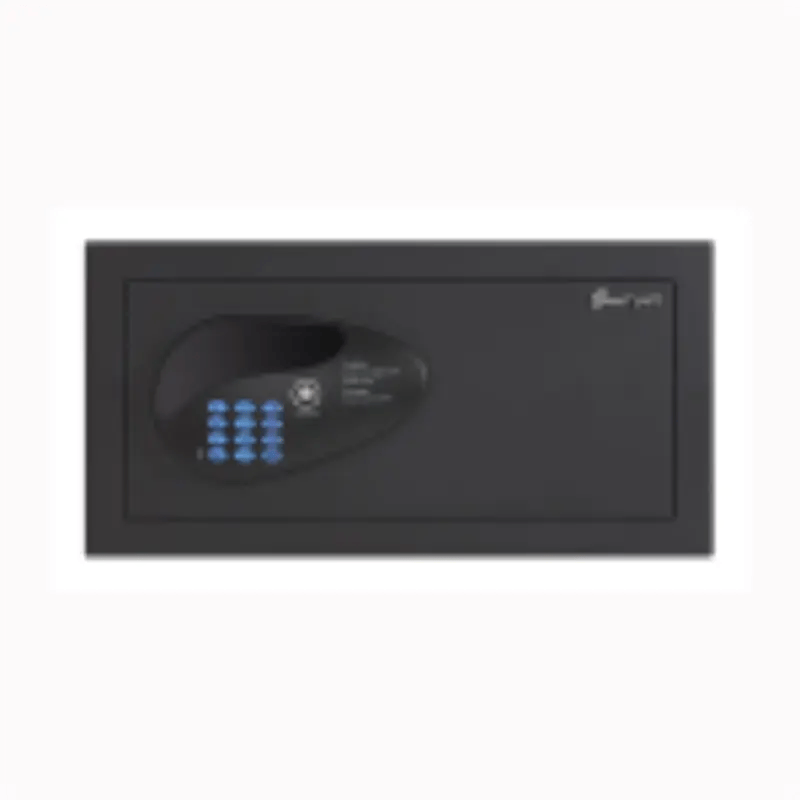
When a guest forgets their code, the safe is not broken — it just needs a supervised reset. The exact sequence varies by brand, but the universal pattern for DERBAL-style electronic safes is:
- Open the safe using the hotel master code or override key, per your property’s security protocol.
- Press and hold the # key until the display shows SET, then enter the master code.
- Enter a new guest code of 3 to 8 digits and confirm with #; the display flashes twice to confirm.
- Close the door and test the new code before handing the safe back to the guest.
If the display stays dark, the battery is the likely culprit — see the maintenance section below. Never force a locked safe with tools; that damages the lock bolt and voids the warranty.
Daily & Monthly Maintenance That Keeps Safes Working

A preventive schedule beats emergency repairs. Build these checks into housekeeping and engineering routines:
- Daily: confirm the safe door closes flush and the latch engages; log any sticky doors for engineering.
- Monthly: test each safe with a known code, wipe the keypad, and inspect the battery compartment for corrosion.
- Quarterly: replace batteries across the floor, verify master codes still work, and audit the override-key log.
Choose safes with an emergency battery port on the outside — a 9V battery wakes the keypad even when internal cells are dead, turning a guest-lockout into a 30-second fix. DERBAL’s hotel safe guard models include this feature to keep front-desk recovery fast.
Security Best Practices for Guest Safes

Security starts with configuration, not just hardware. Change every default master code before the first guest arrives, keep the override key in a sealed front-desk log, and rotate codes after staff turnover. Position the safe in plain sight — safes hidden inside closets are forgotten, and research suggests visibility drives use.
For new builds, specify safes that meet UL Solutions’ UL 1037 anti-theft testing standard and carry a tamper alarm. Industry data collected by Swift Locksmiths’ hotel safe security review shows about 43% of guests use in-room safes and that improper use or maintenance contributes to roughly 35% of recorded security issues — configuration and upkeep are the levers that move both numbers.
Choosing a Safe Built for Hotel Duty
| Feature | Digital Keypad | Biometric / RFID | Why It Matters |
|---|---|---|---|
| Guest code setup | 3–8 digit PIN | Fingerprint or card | Keypad suits high-turnover floors |
| Battery failure | External 9V port | External 9V port | Prevents guest lockouts |
| Master override | Master code + key | Master code + key | Keeps staff recovery auditable |
| Typical duty | Standard rooms | Premium suites | Match tier to guest profile |
For most properties, a certified digital safe balances cost, uptime, and staff familiarity. DERBAL manufactures a full range of hotel safe guard units — keypad, RFID, and biometric — built for 24/7 hospitality duty with reinforced doors and low-maintenance electronics. Pair the safe with the rest of the guest room essentials DERBAL supplies, and you keep one vendor accountable for every in-room touchpoint.
FAQ
How do I reset a hotel safe when the code is forgotten?
Use the hotel master code or override key to open the safe, press and hold # until SET appears, enter the master code, then set a new guest code and confirm with #. Test the new code before closing.
How often should hotel safes be serviced?
Check safe doors daily during housekeeping, test all safes monthly with a known code, and replace batteries quarterly or whenever the low-battery warning appears.
What is the override code on a hotel safe and how is it secured?
The master/override code opens every safe in a property for recovery and management. Change it before first use, rotate it after staff changes, and keep the override key in a sealed, logged front-desk location.
Are electronic hotel safes more secure than key-lock safes?
Electronic safes remove the physical key that can be lost or copied, and certified models such as UL 1037-rated units include tamper detection. Keep master codes secure and batteries maintained for the full benefit.
What should guests store in an in-room safe?
Passports, cash, jewelry, laptops, and other valuables. Tell guests at check-in where the safe is and how to set a code — visibility and instructions measurably increase safe use.
About DERBAL
Experience. DERBAL has supplied hotel amenity and room-security products to resorts and hospitality groups for over a decade, with manufacturing, quality control, and logistics under one roof in China.
Expertise. Our engineering team designs safes, bathroom supplies, and room essentials around real hotel workflows — high turnover, constant cleaning, and round-the-clock operations — not around showroom specifications.
Authoritativeness. DERBAL products ship against documented quality standards, and our hotel safe guard range is built for anti-theft certification testing in line with UL 1037-style requirements.
Trustworthiness. We publish transparent specifications, offer sample-before-bulk evaluation, and back hospitality orders with responsive after-sales support so your property stays operational.