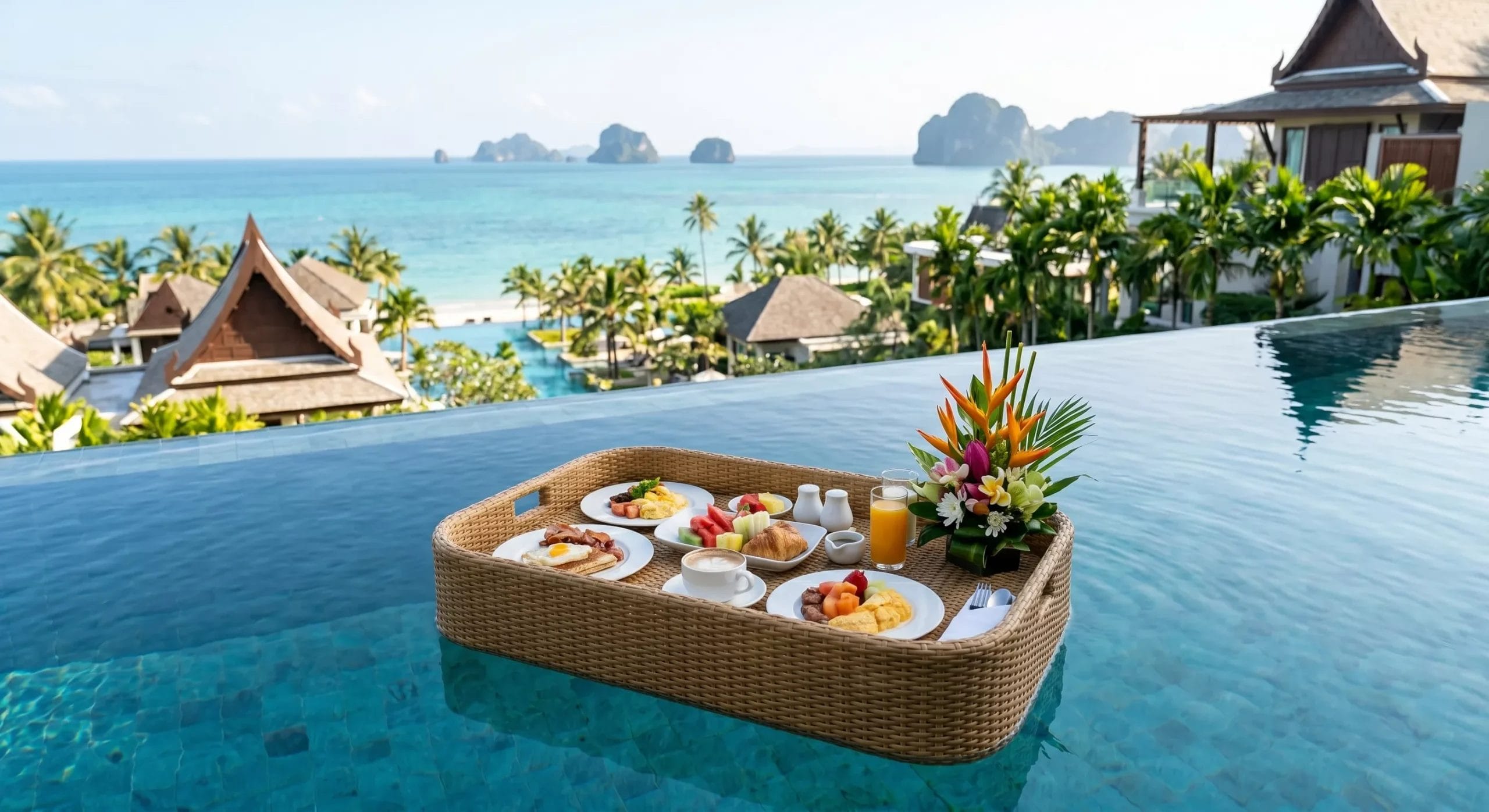
Hotel amenities procurement in Southeast Asia is entering one of its most pivotal chapters yet. From Vietnam’s coastline to Phuket’s luxury villas and Bali’s eco-resort corridors, purchasing managers and procurement directors are facing a new reality in 2026: the bar for guest experience has risen sharply, supply chains have grown more complex, and hotel brands that once overlooked bespoke amenity sourcing are now making it a boardroom priority. Understanding the growth drivers reshaping this region is no longer optional — it is the difference between a hotel that guests remember and one they forget.
This regional spotlight breaks down the key hospitality trends across Southeast Asia in 2026, what they mean for hotel amenities procurement, and how forward-thinking purchasing teams are sourcing smarter — from custom logo slippers and rust-proof housekeeping tricycles to eco-friendly glass water bottles and ceramic amenity dispensers built for island climates.
DERBAL supplies luxury resorts across the Maldives, Thailand, Vietnam, UAE, and Seychelles — with full custom logo branding, small-batch orders, and island-ready logistics.
Why Southeast Asia Is the World’s Fastest-Growing Hospitality Market in 2026
According to the Hospitality Net 2026 Asia Pacific Market Report, international tourist arrivals across ASEAN nations are projected to surpass pre-pandemic peaks by a margin of 18% in 2026, fuelled by increased air connectivity, rising middle-class travel from China and India, and continued investment in luxury resort infrastructure. Vietnam alone saw over 17 million international arrivals in 2025, with forecasts pointing to 22 million in 2026. Thailand’s Tourism Authority has similarly confirmed that Phuket and Koh Samui are operating at record hotel occupancy rates.
For purchasing managers overseeing hotel amenities procurement across Southeast Asia, this surge translates directly into higher order volumes, tighter delivery windows, and growing pressure to differentiate the guest experience through quality hospitality supplies and branded amenities. The old model of buying generic, unbranded products in bulk is giving way to a more curated, brand-conscious procurement strategy — especially among four- and five-star properties competing for repeat bookings.
The Island Climate Challenge: Why Material Quality Matters More Than Ever
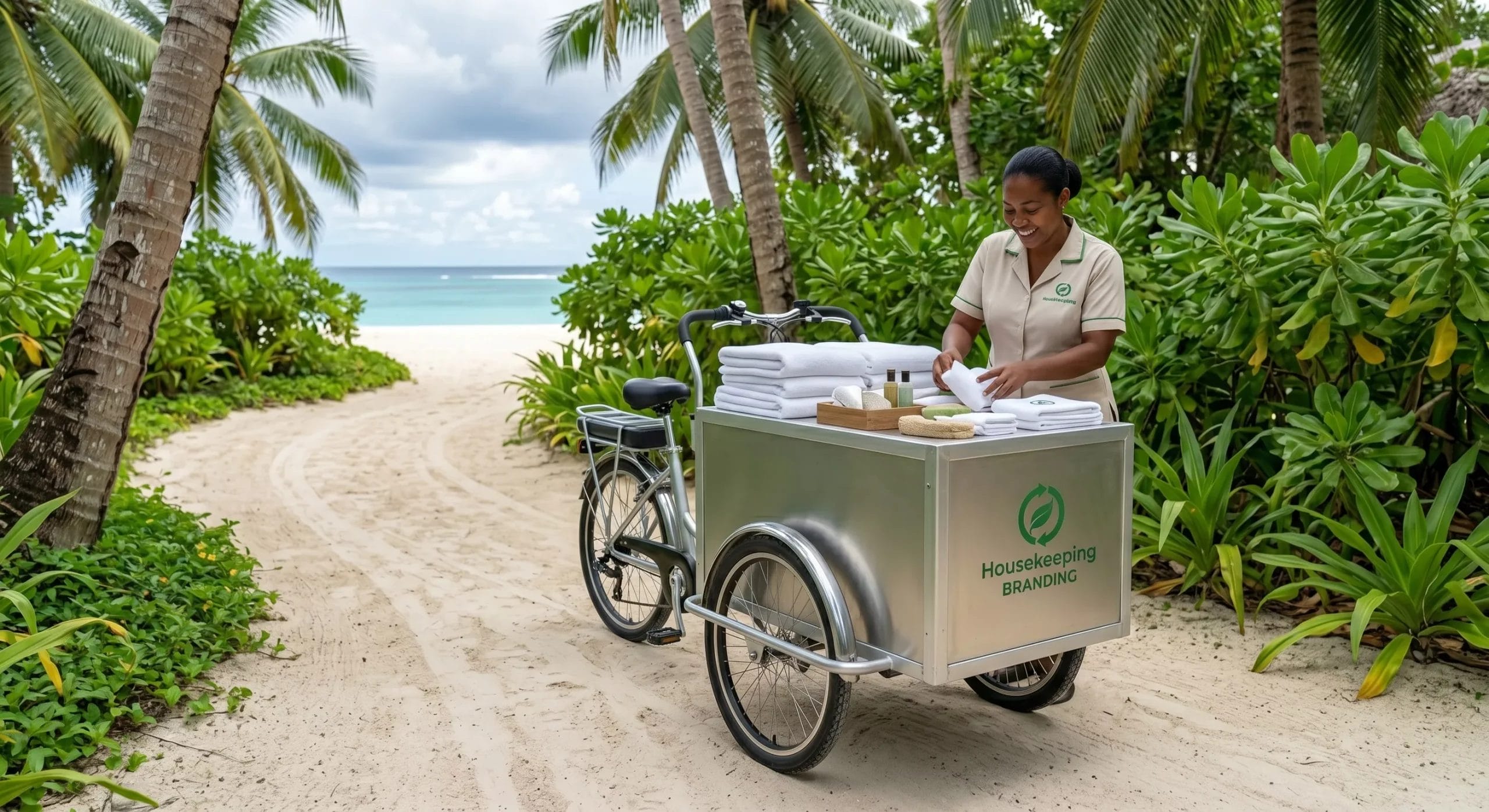
One factor that distinguishes Southeast Asian and Indian Ocean resort procurement from continental hotel buying is the brutal effect of saltwater, humidity, and UV exposure on standard hospitality equipment. A housekeeping cart built from steel that works perfectly in a Bangkok city hotel will show visible rust within six months when deployed on a Maldivian overwater bungalow property.
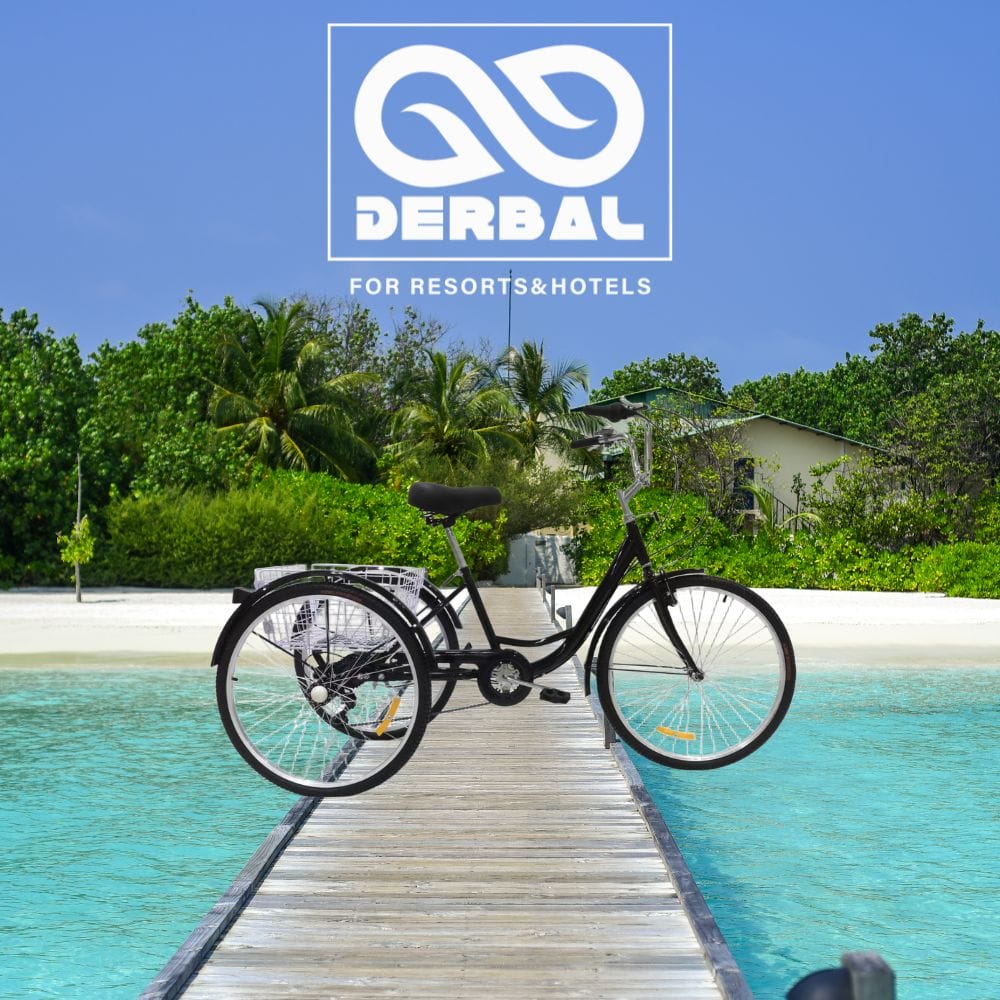
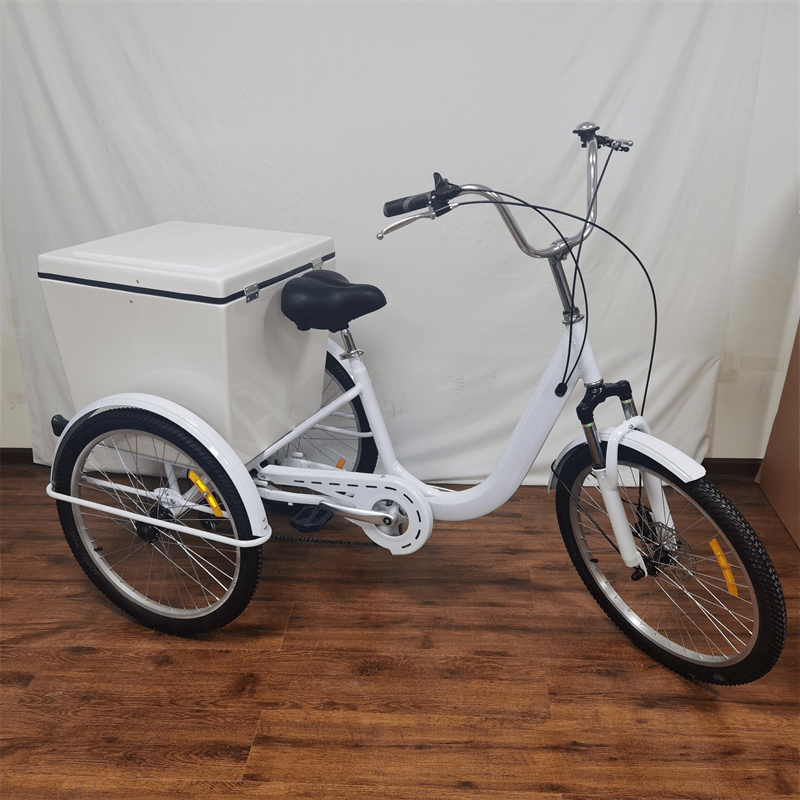
This is why properties across Thailand, Vietnam, the Maldives, and Seychelles are increasingly specifying rust-resistant materials as a non-negotiable procurement criterion. DERBAL’s aluminium alloy housekeeping tricycles and island cruiser bikes are engineered specifically for this environment — the aluminium frame provides approximately 90% greater corrosion resistance than standard steel, while the non-metal rubber drive chain eliminates a common failure point that forces frequent replacements in coastal properties.
“For island resorts, every product that breaks down in the field doesn’t just cost money to replace — it disrupts the guest experience and burdens housekeeping teams who are already stretched. Specifying aluminium-frame equipment from the outset is simply smarter procurement over a three-to-five year asset lifecycle.”
— DERBAL Senior Product Specialist, Resort & Island Solutions
Purchasing managers evaluating long-term total cost of ownership — rather than unit price alone — are finding that the premium paid for high-durability materials like aluminium alloy is recovered within 18 to 24 months through reduced repair costs and extended product lifespans.
Branded Amenities: The Shift from Generic to Signature Guest Experiences
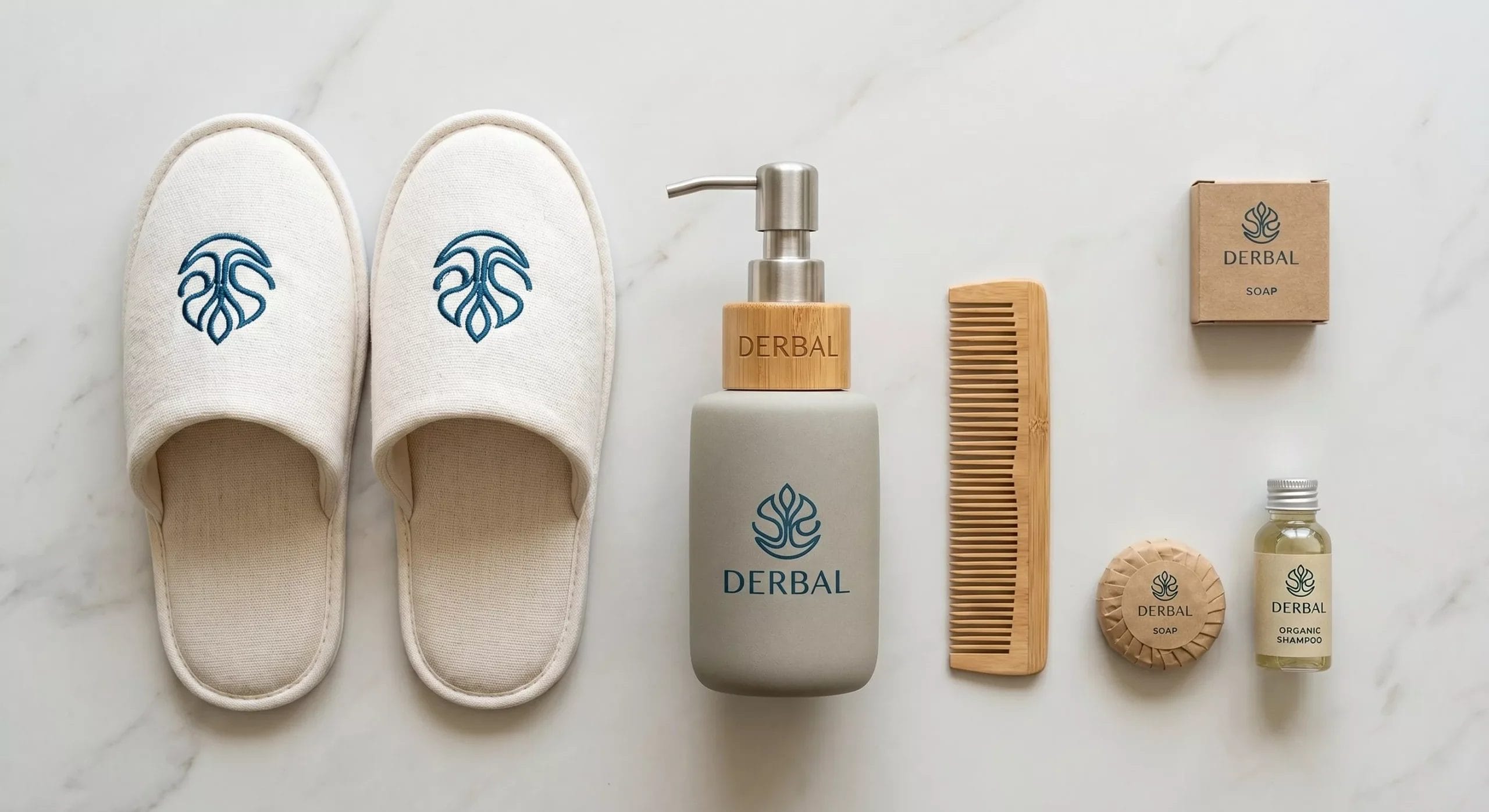
Across Southeast Asia’s luxury and upper-upscale segments, general managers and housekeeping executives are reporting the same insight: guests notice the details. The monogrammed bathrobe hanging in the villa, the ceramic soap dispenser engraved with the resort logo, the straw flip flops waiting on the deck — these are the touchpoints that drive social media shares, TripAdvisor reviews, and ultimately, direct bookings.
The result is a pronounced shift in how hotel amenities procurement decisions are made across Southeast Asia. Purchasing managers are no longer simply specifying “100 bathrobes, white, medium weight.” They are arriving with brand guidelines, Pantone colour codes, preferred embroidery placements, and packaging specifications. This places new demands on suppliers who must be capable of offering end-to-end custom branding — from logo printing on golf umbrellas to embossed ceramic amenity dispensers and colour-matched EVA flip flops.
DERBAL’s full range of customisable resort amenities is designed to meet exactly this brief, supporting small-batch custom orders across bathrobes, slippers, dispensers, pool floating trays, coffee mugs, and more — all with logo and colour customisation available at competitive minimum order quantities suited to boutique island properties.
Key Product Categories Driving Southeast Asia Procurement Decisions in 2026
1. Housekeeping Tricycles and Mobility Equipment
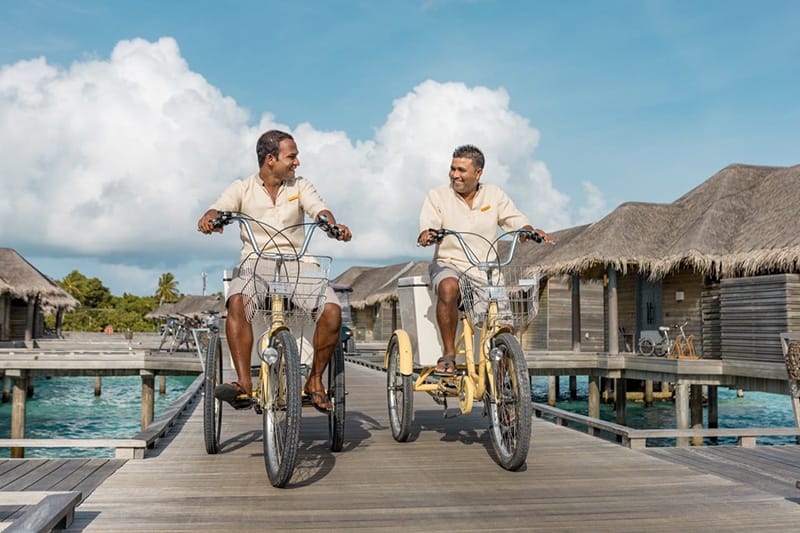
In sprawling resort complexes — from Phuket villa estates to Maldivian island properties with multiple accommodation wings — efficient housekeeping mobility is a genuine operational challenge. Electric and non-electric housekeeping tricycles are increasingly being specified by purchasing managers and housekeeping executives as a core infrastructure investment rather than an afterthought. Beyond functionality, branded and colour-customised tricycles contribute to the resort’s visual identity when guests observe staff moving through the property.
2. Pool Floating Trays
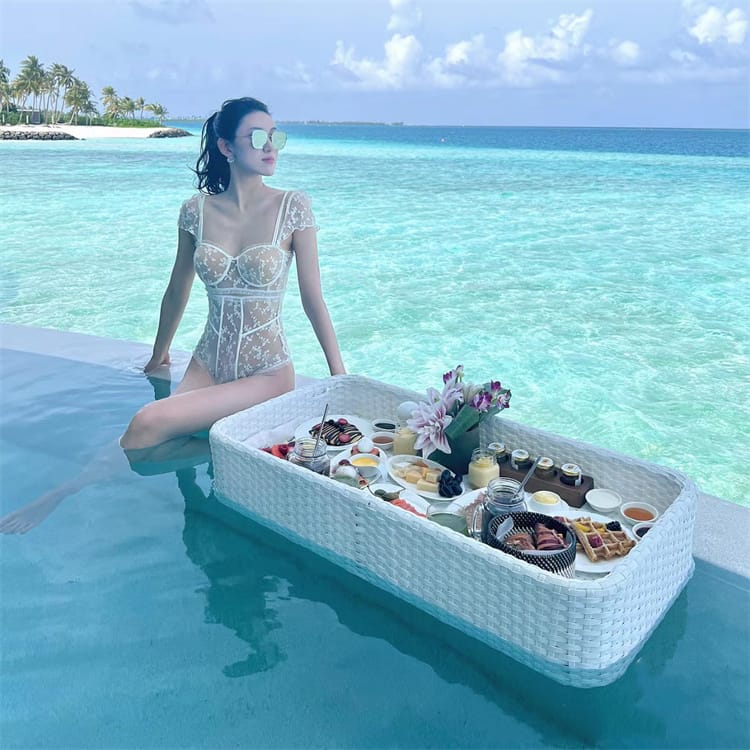
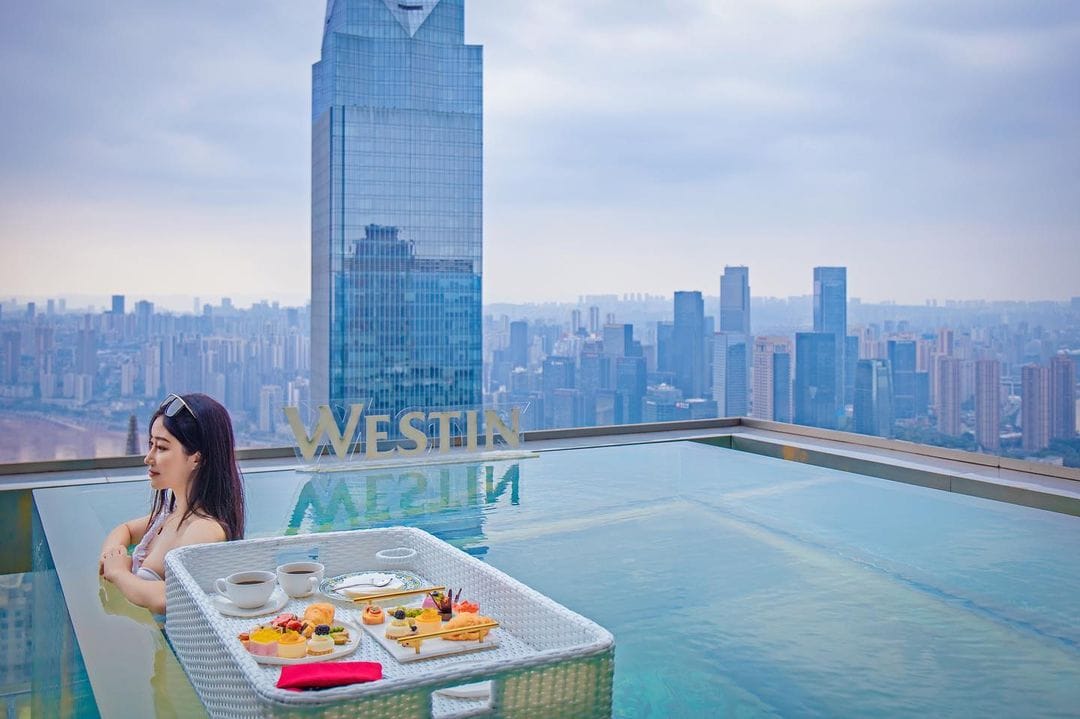
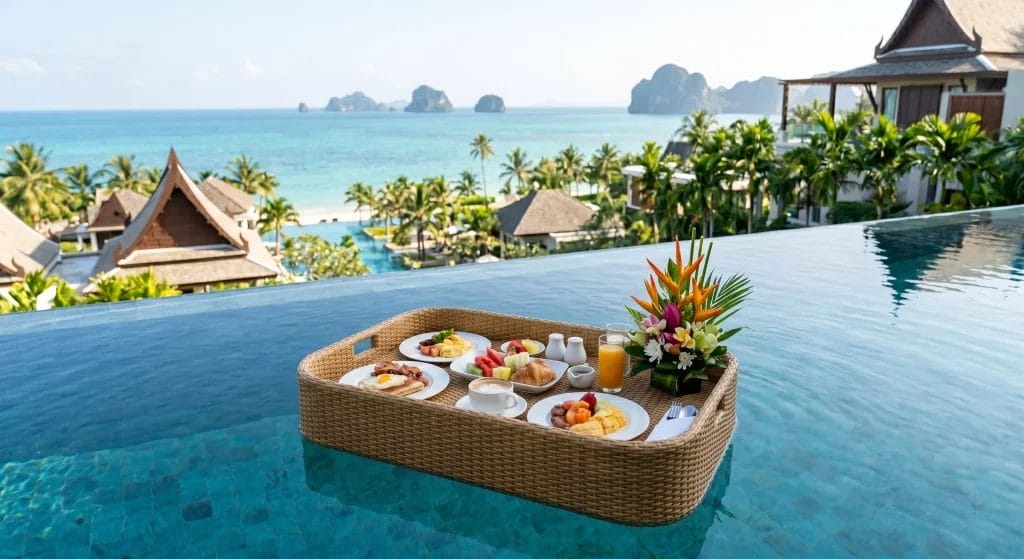
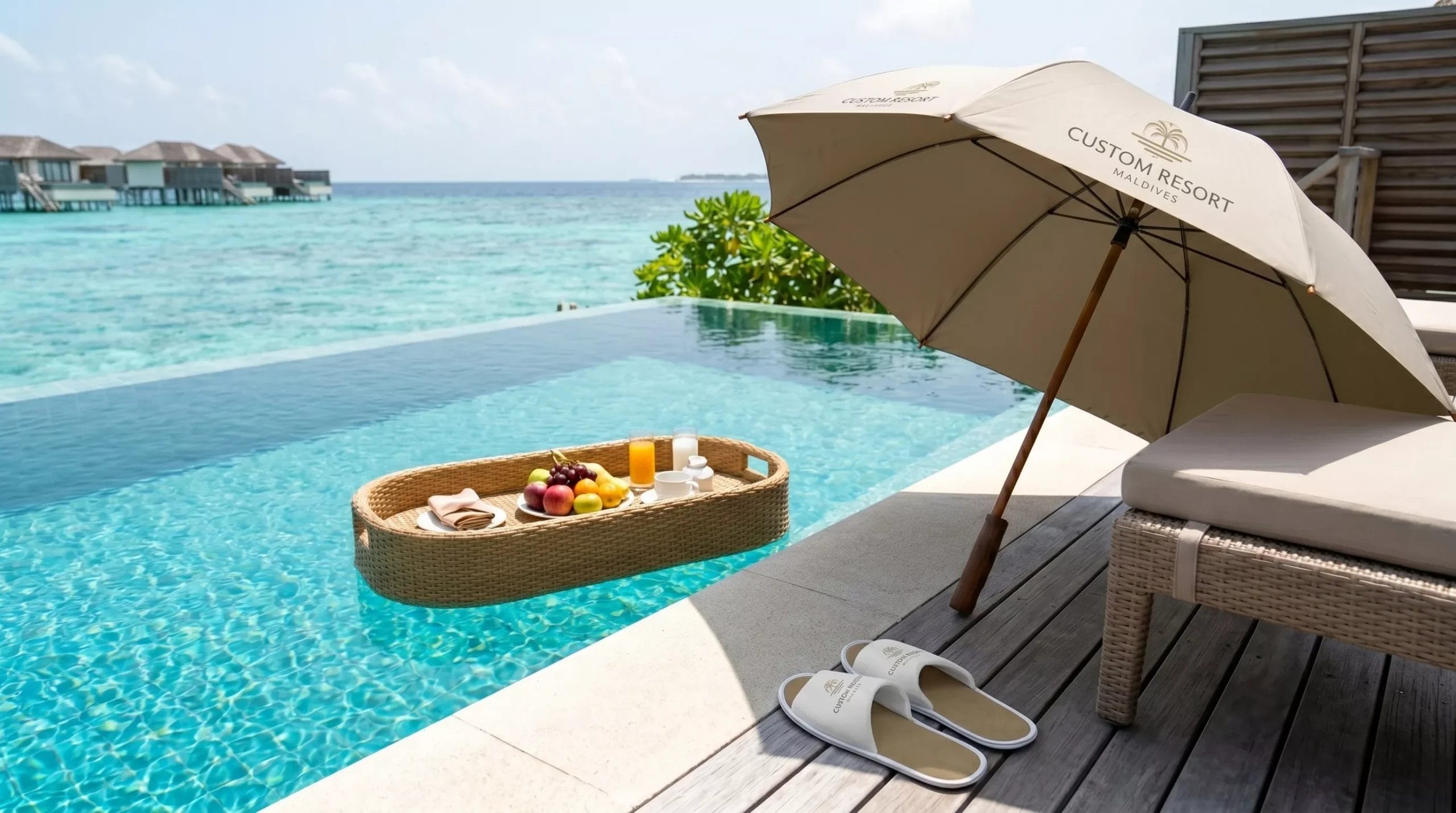
Few amenity product categories capture the aspiration of the Southeast Asian luxury resort experience as vividly as the pool floating tray — the PE rattan and aluminium-framed vessel that delivers breakfast, cocktails, or afternoon tea directly to guests in infinity pools or overwater villas. Demand for floating trays has grown substantially across Maldivian resorts, Thai island properties, and Vietnamese beachfront hotels, driven partly by the social media currency of the in-pool breakfast photograph. Sourcing floating trays that are structurally sound, buoyant under food load, and customisable by shape, size, and colour is a procurement challenge that DERBAL has specifically engineered its product range to address.
3. Eco-Friendly Guest Room Amenities
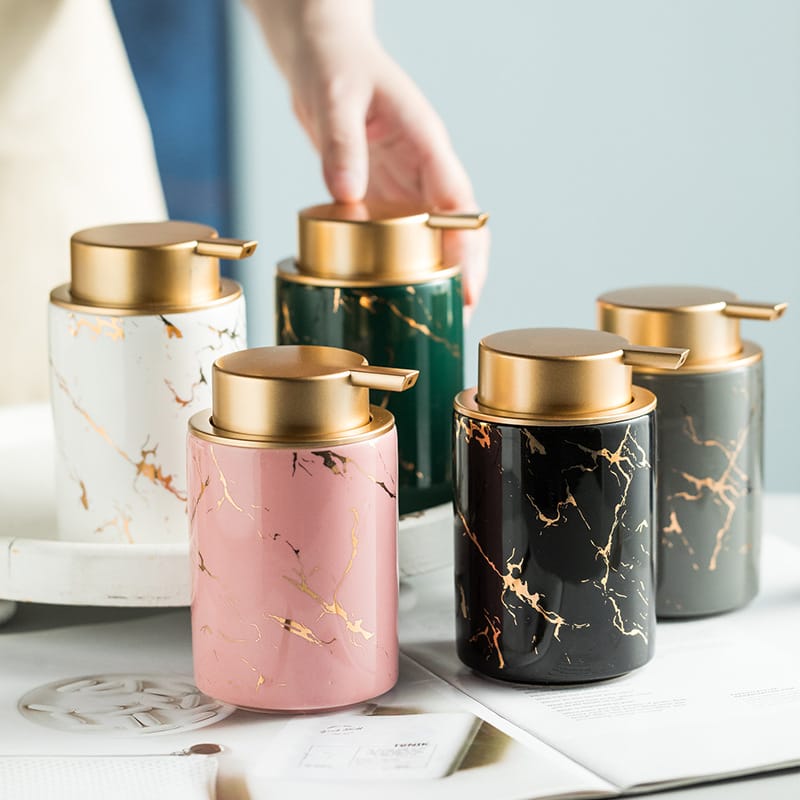
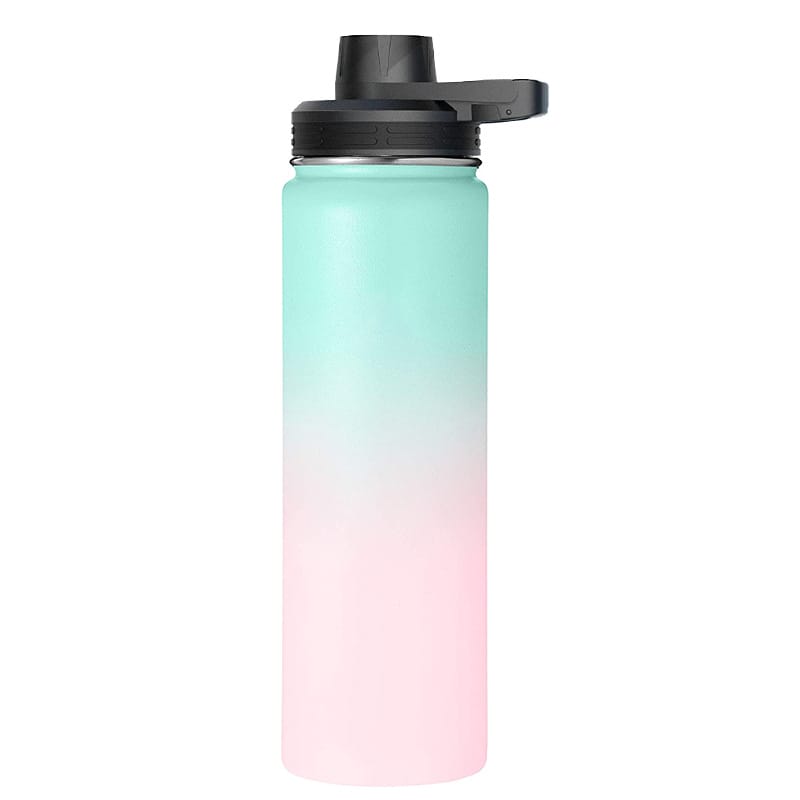
Sustainability credentials have moved from a differentiating feature to a baseline expectation among international travellers visiting Southeast Asian resorts. Effective hotel amenities procurement in Southeast Asia now routinely includes glass water bottles replacing single-use plastic, ceramic dispensers replacing disposable sachets, and straw or fabric-soled flip flops replacing polystyrene slippers. Purchasing managers are balancing eco-credibility with durability — glass bottles must be dishwasher-compatible, dispensers must withstand repeated refill cycles, and eco slippers must hold up across a guest’s five-night stay.
4. UV-Protective Golf Umbrellas
In tropical climates where UV index levels routinely exceed 10, resort-branded golf umbrellas are transitioning from gift shop items to operational hospitality essentials — placed at pool decks, beach clubs, golf courses, and open-air restaurant terraces. Purchasing managers are specifying single-layer UV-coated, double-layer, and true dual-layer models, with fibreglass frames for wind resistance and one-touch open mechanisms for staff ease of use. Colour and logo customisation aligns umbrella deployments with brand identity at guest-facing touchpoints.
All products above are available with full custom branding — logo, colour, packaging — and are specifically designed for island and coastal resort environments.