Why the Right Commercial Baby High Chair Matters for Hotels
For resorts and hotels, a commercial baby high chair is not just furniture—it is a safety device, a hygiene asset, and a quiet signal to parents that your property takes family hospitality seriously. In high-volume F&B outlets, the difference between a flimsy wooden chair and an engineered commercial-grade chair shows up in three places: guest reviews, staff efficiency, and replacement cost.
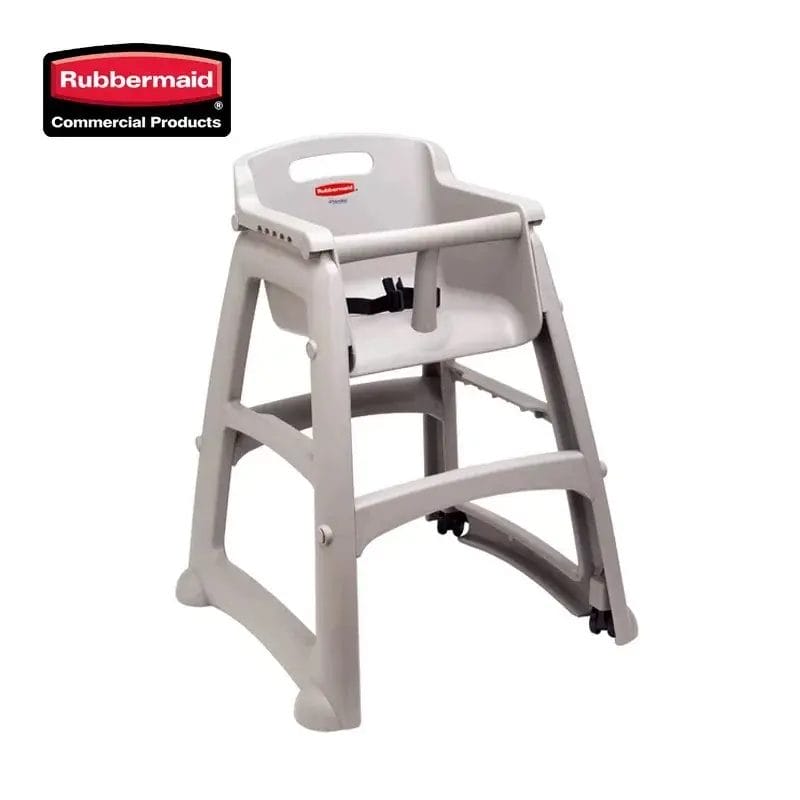
This guide focuses on one specific product: the DERBAL Commercial Baby High Chair. We cover the specifications that matter for procurement teams, the safety standards to require, and the operational reasons why molded antimicrobial chairs outperform wood in resort environments.
Specifying baby high chairs for a new resort or renovation?
DERBAL supplies ASTM F404-21 compliant, Microban-equipped commercial high chairs to hotels and resorts worldwide.
ASTM F404-21: The Safety Standard You Should Require

ASTM F404-21 is the current U.S. safety standard for high chairs. For hotels purchasing for international guests, specifying ASTM compliance reduces liability and signals due diligence to insurance and audit teams.
Key safety features required under this standard include:
- One-piece T-bar — prevents the child from sliding out even if the harness is not engaged
- Active 3-point restraint system — secures the child independently of the tray
- Tip-over resistance — engineered base geometry that resists tipping when the child leans
- No entrapment gaps — spacing that prevents head or limb entrapment
When vetting suppliers, ask for the test report. A chair that “meets ASTM standards” is not the same as one with documented F404-21 compliance.
Microban Antimicrobial Protection: Why It Matters in Hotels
High chairs are high-touch items. In a single day, a chair may be used by multiple children, wiped by different staff members, and exposed to milk, juice, and pasta sauce. Standard plastic can harbor bacteria in micro-scratches. Microban protection is built into the material itself, inhibiting bacterial growth for the life of the product—not a surface coating that washes off.
For procurement teams, the operational benefit is straightforward: the chairs pass hygiene audits more consistently and require less aggressive chemical cleaning, which extends product life.
Stackable Design and Under-Table Clearance

Two design details separate commercial-grade chairs from consumer models:
1. Vertical stacking. Resort restaurants may need 20–40 high chairs across multiple outlets. A stackable design lets staff store a dozen chairs in the footprint of two. For buffet setups that only need high chairs during peak hours, this saves valuable floor space.
2. Under-table clearance. Modern family dining prefers inclusive seating—the child sits at the table with the family, not on a separate feeding station. Chairs designed with tray-removed clearance fit under standard restaurant tables. This is a small detail that guests notice.
One-Handed Maneuverability and Staff Workflow
In busy hotel restaurants, servers often move high chairs with one hand while carrying plates or menus. A built-in top handle allows this. Wooden chairs with fixed trays are heavy and awkward; molded commercial chairs with ergonomic handles reduce staff friction during peak service.
This is the kind of operational detail that F&B managers appreciate but is rarely mentioned in product brochures. When comparing suppliers, ask your floor staff to handle the sample chair with one hand.
Material Choice: Molded Plastic vs. Wood in Resort Environments

| Feature | Molded Plastic (Commercial) | Wood (Traditional) |
|---|---|---|
| Hygiene | Seamless, no cracks, antimicrobial options | Absorbs liquids, splinters over time |
| Cleaning | Spray and wipe, chemical-resistant | Requires scrubbing, absorbs odors |
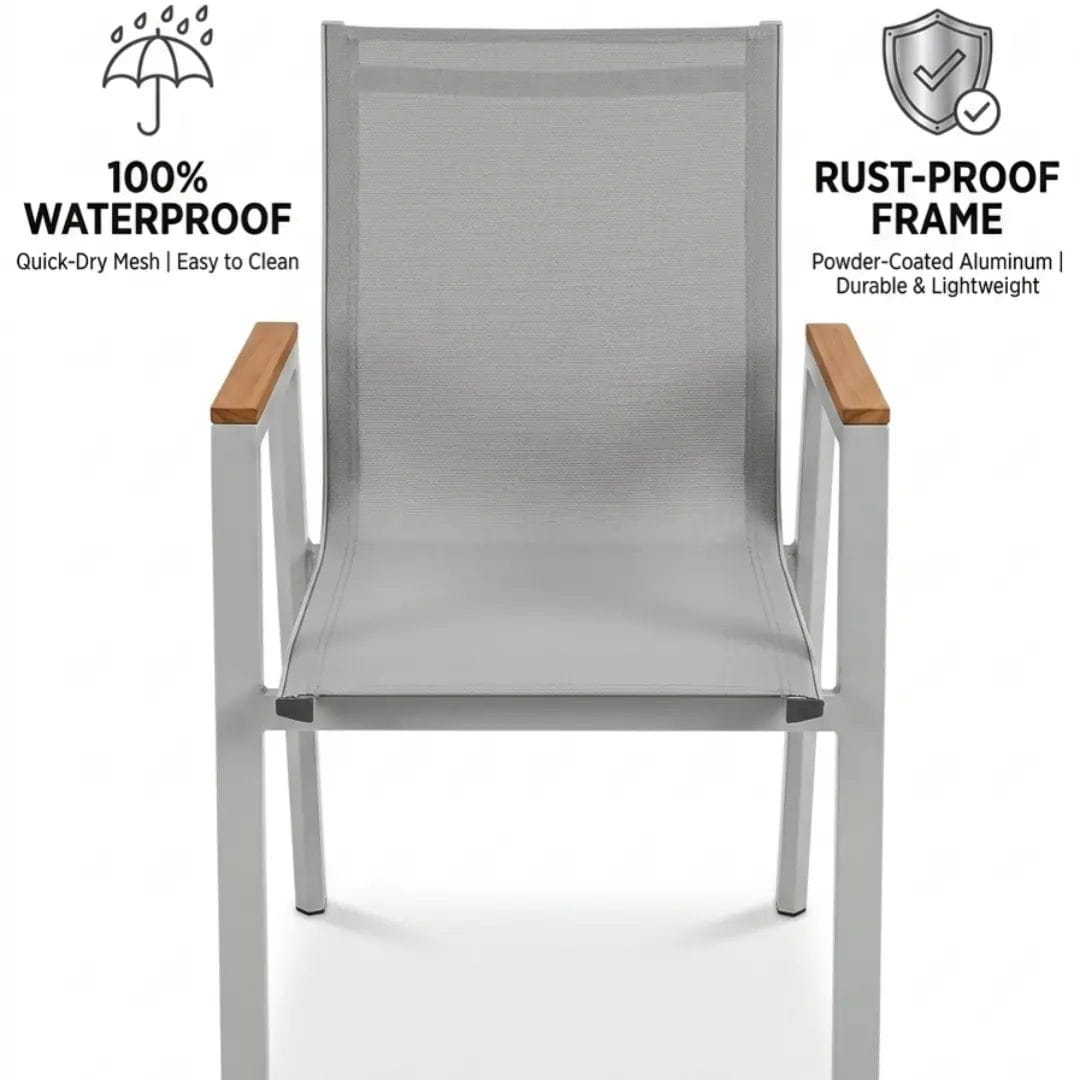
| Durability (humid climates) | UV-stable, non-porous, rust-free | Warps, rots, metal joints rust |
| Storage | Stackable, space-saving | Bulky, does not stack safely |
| Replacement cycle | 5–8 years typical | 2–3 years in high-volume resorts |
For beachfront and poolside restaurants—common in resort environments—wood is particularly problematic. Salt air accelerates joint corrosion and surface degradation. Molded commercial plastic with no metal structural parts performs significantly better in these conditions.
Procurement Checklist for Hotel F&B Teams
Before confirming a bulk order, verify these points with your supplier:
- ASTM F404-21 test report (ask for the document, not just the claim)
- Microban certification or equivalent antimicrobial technology
- FDA-compliant food-contact materials declaration
- Stack quantity: how many chairs stack vertically in one column
- Under-table clearance dimension (request the technical drawing)
- Color options and UV stability for outdoor-adjacent use
- MOQ and lead time for replacement orders (colors may be discontinued)
Related DERBAL Products
FAQ: Commercial Baby High Chairs for Hotels
Q: What age and weight does a commercial baby high chair support?
A: The DERBAL commercial high chair is designed for children who can sit up unaided, up to 3 years old, with a maximum weight of 33 lbs (15 kg).
Q: Is ASTM F404-21 mandatory for hotels?
A: It is not legally mandatory everywhere, but specifying it is strongly recommended for international resorts. It demonstrates due diligence and reduces liability exposure.
Q: Can these chairs be used poolside or outdoors?
A: Yes. The molded plastic construction is UV-stable and non-porous, making it suitable for poolside and beachfront dining areas where wooden chairs would degrade quickly.
Q: How many chairs should a hotel buy per F&B outlet?
A: A common planning ratio is 1 high chair per 15–20 dining seats for family-friendly resorts. Luxury properties with strong family positioning may plan 1 per 10 seats.
Q: Are replacement parts available?
A: DERBAL supplies replacement harnesses and can support re-ordering. When specifying, confirm with your supplier that replacement parts will be available for the expected product life cycle.
Q: How should hotels clean commercial high chairs between guests?
A: Spray with standard food-safe disinfectant and wipe. The seamless molded construction has no crevices where crumbs or bacteria accumulate. No soaking or scrubbing is required.
Need ASTM F404-21 Compliant High Chairs for Your Hotel?
Send DERBAL your property type, estimated quantity, and target delivery date. Our team will provide specifications, pricing, and samples coordination.
External References
Procurement teams evaluating high chairs may reference:
- ASTM F404-21 Standard Consumer Safety Specification for High Chairs — the safety standard referenced throughout this guide.
- FDA Food Contact Substances Guidance — for materials compliance in the U.S. market.
- Hospitality Net — industry trends and family travel insights relevant to F&B planning.