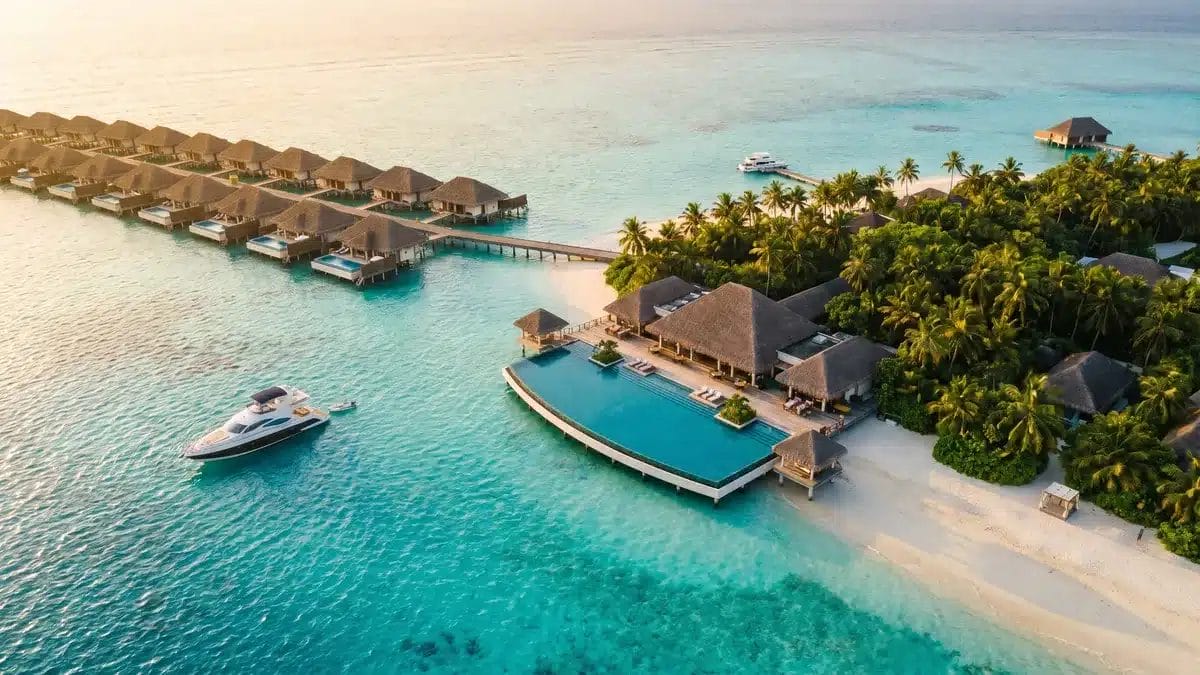
The global luxury hospitality sector is experiencing an unprecedented expansion, driven by evolving guest expectations and a surge in high-end travel demand. As the market scales, the strategic importance of luxury hotel amenities procurement has never been more critical. For hotel owners, developers, and F&B directors, understanding the intersection of market growth and procurement trends is essential for maintaining a competitive edge in 2026 and beyond.
This comprehensive analysis explores the trajectory of the luxury hotel segment, particularly in high-growth regions like the Middle East and Southeast Asia, and examines how premium Operating Supplies and Equipment (OS&E) procurement is adapting to meet the demands of modern luxury travelers.
The Unprecedented Growth of the Luxury Hotel Market
The global luxury hotel market is on a robust upward trajectory. According to industry projections, the market size was valued at approximately $170.77 billion in 2025 and is anticipated to reach $189.68 billion in 2026, with long-term forecasts suggesting a surge to $416.53 billion by 2034 . This remarkable Compound Annual Growth Rate (CAGR) underscores a fundamental shift in consumer behavior, where travelers increasingly prioritize experiential luxury and personalized services over standard accommodations.
Regionally, the Middle East and North Africa (MENA) hospitality market is set to surpass $487 billion by 2032, fueled by robust tourism growth and strategic investments in countries like Saudi Arabia and the United Arab Emirates . In parallel, Southeast Asia and the Indian Ocean—particularly the Maldives, Thailand, and Vietnam—continue to dominate as premier luxury destinations. The Maldives luxury resort market alone, valued at $0.60 billion in 2024, is witnessing significant capital influx from international developers .
Strategic Shifts in Luxury Hotel Amenities Procurement
“2026 is the year where sustainability meets extreme durability in tropical climates. The true luxury experience is defined not just by the architecture, but by the tactile quality of every amenity the guest interacts with.”
— DERBAL Head of OS&E Engineering
As the market expands, the approach to luxury hotel amenities procurement is undergoing a profound transformation. Procurement is no longer merely a transactional function; it is a strategic driver of brand identity and guest satisfaction. Industry data indicates that luxury hotels can achieve a 10-15% higher guest retention rate when they invest in premium OS&E items, with 70% of guests more likely to recommend properties that offer superior amenities .
1. Hyper-Personalization and Custom Branding
In the luxury segment, generic amenities are obsolete. Today’s high-end travelers expect hyper-personalized experiences that reflect the unique character of the property. This trend is driving a surge in demand for custom-branded OS&E.
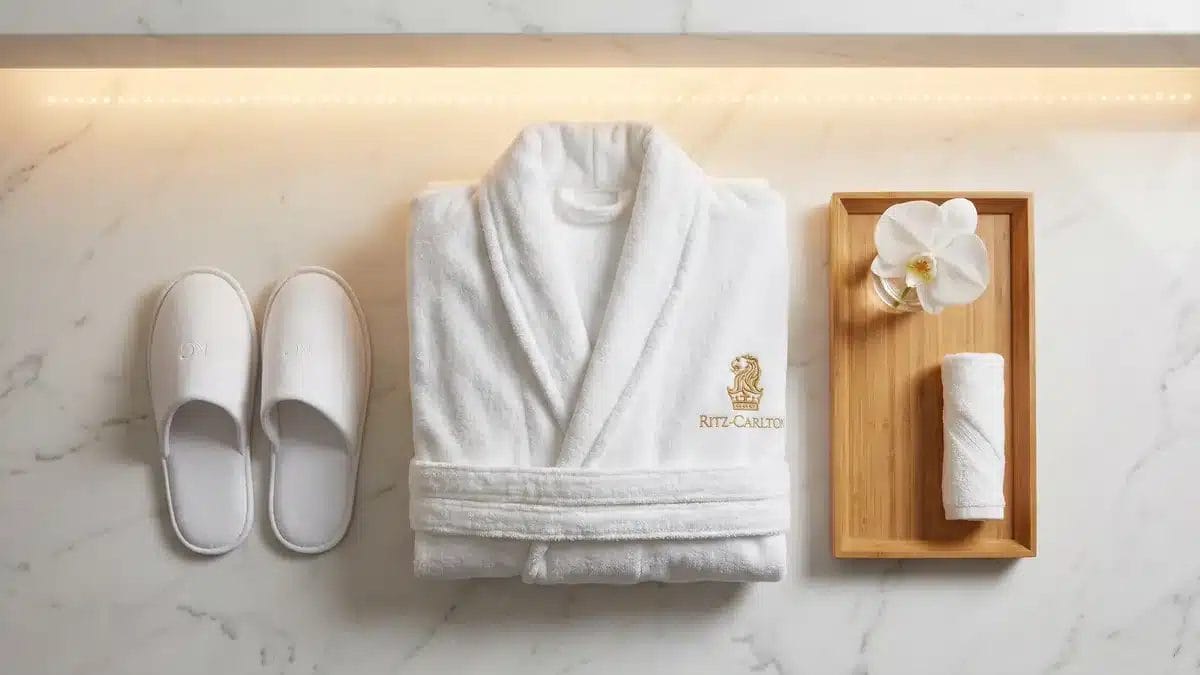
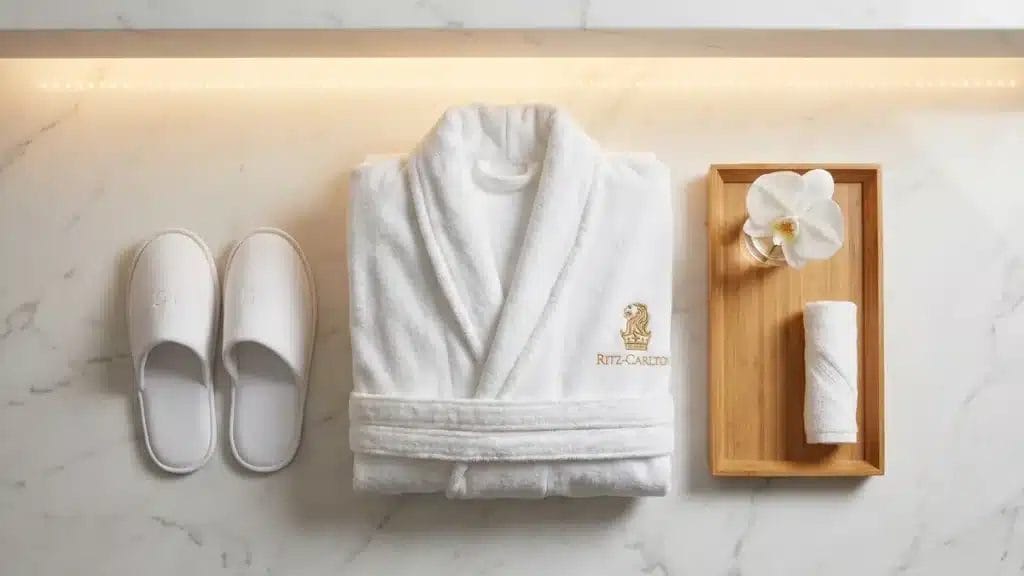
For instance, properties in the Maldives and Seychelles are increasingly sourcing bespoke Luxury Flip Flops and Indoor Guestroom Slippers that feature intricate embroidery and property-specific color palettes. Similarly, the procurement of high-quality Guestroom Bathrobes tailored to the exact specifications of the hotel’s brand identity has become a standard requirement for five-star resorts.
2. The Sustainability Imperative
Sustainability has transitioned from a niche preference to a measurable procurement obligation. With the implementation of frameworks like the Corporate Sustainability Reporting Directive (CSRD) in 2026, hotels are now required to account for Scope 3 emissions, which encompass every product purchased, from key cards to linens .
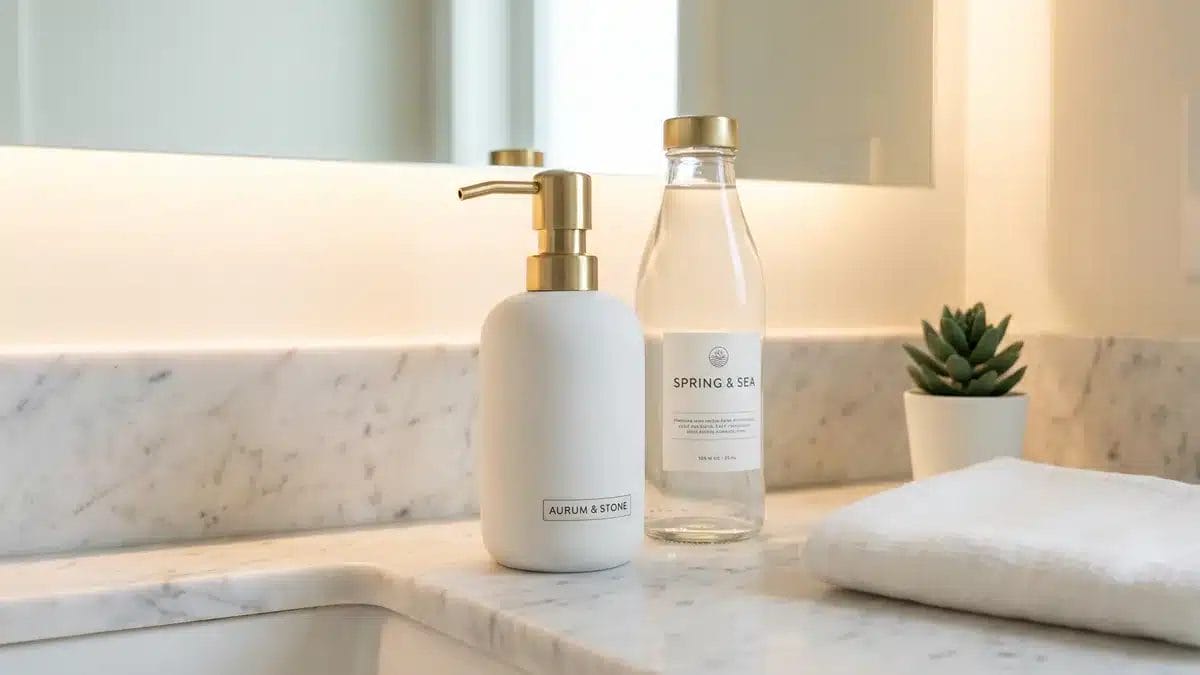
This regulatory shift is profoundly impacting luxury hotel amenities procurement. Procurement managers are actively seeking eco-friendly alternatives that do not compromise on luxury. A prime example is the transition from single-use plastics to durable, refillable solutions. The adoption of ceramic and high-grade PP Hotel Soap Dispensers is accelerating, offering a sustainable yet elegant solution for premium bath amenities. Furthermore, the use of Eco-friendly Glass Water Bottles is becoming standard practice in luxury resorts aiming to eliminate plastic waste while enhancing the in-room dining experience.
3. Durability for Extreme Climates
For resorts located in tropical or extreme climates—such as Bali, Phuket, or Dubai—durability is a paramount concern in OS&E procurement. Products must withstand high humidity, intense sun exposure, and frequent use without degrading in quality.
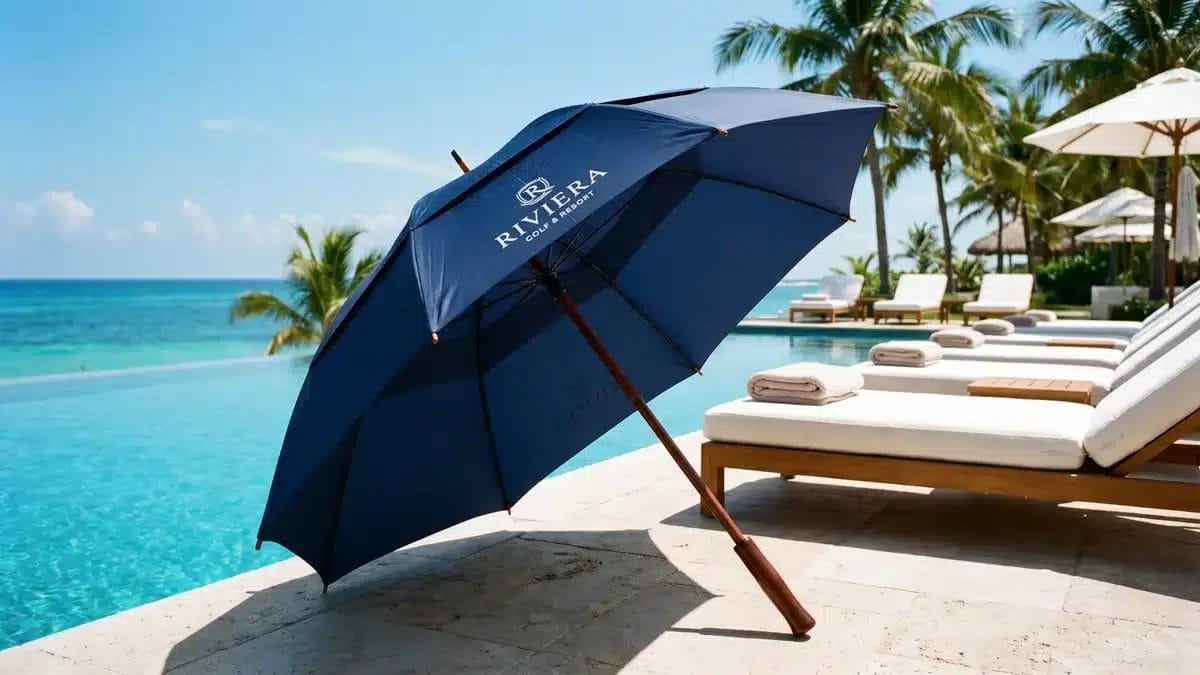
This requirement influences the selection of outdoor amenities. For example, Custom Outdoor EVA Slippers and robust 30-inch Automatic Golf Umbrellas designed with fiberglass frames and UV protection are essential investments for island resorts. These items not only provide practical utility for guests but also serve as durable brand touchpoints.
Navigating the Future of High-End Procurement
The complexity of modern luxury hotel amenities procurement requires a sophisticated approach. Hotel management companies and purchasing executives must balance the competing demands of aesthetic excellence, sustainability compliance, and budget optimization.
To navigate this landscape successfully, properties are increasingly partnering with specialized suppliers who understand the nuanced requirements of the luxury segment. A reliable supplier must offer not only high-quality products but also flexible customization options, reliable supply chains, and a deep understanding of regional market dynamics.
Whether outfitting a new ultra-luxury resort in the Red Sea Project or upgrading the guestrooms of a heritage property in Europe, the strategic procurement of items like Ceramic Coffee Mugs.
Frequently Asked Questions
Q: What is the projected growth of the luxury hotel market in 2026?
A: The global luxury hotel market is anticipated to grow from $170.77 billion in 2025 to $189.68 billion in 2026, driven by increasing demand for experiential travel and high-end accommodations.
Q: How is sustainability impacting luxury hotel amenities procurement?
A: Sustainability is now a core requirement, with regulations like CSRD mandating tracking of Scope 3 emissions. This drives the procurement of eco-friendly items like refillable ceramic soap dispensers and glass water bottles.
Q: Why is custom branding important in high-end OS&E procurement?
A: Custom branding on items like bathrobes, slippers, and umbrellas enhances hyper-personalization, reinforcing the hotel’s unique identity and significantly improving guest retention and recommendation rates.
Q: What are the key considerations for resort amenities in tropical climates?
A: In tropical climates like the Maldives or Bali, extreme durability is crucial. Procurement focuses on materials that withstand high humidity and UV exposure, such as fiberglass umbrella frames and high-quality EVA outdoor slippers.
Q: How does premium OS&E affect guest satisfaction?
A: Investing in premium Operating Supplies and Equipment (OS&E) can lead to a 10-15% higher guest retention rate, as the tactile quality of amenities directly influences the perceived luxury of the stay.
References
[1] Fortune Business Insights. “Luxury Hotel Market Size, Share & Growth Analysis Report.”
[2] Arab News. “MENA hospitality market to surpass $487bn by 2032.”
[3] Nexdigm. “Maldives Luxury Resort Market Outlook to 2030.”
[4] AtqanPro. “Luxury Hotel OS&E Procurement | Elevate Guest Experience.”
[5] PrintPlast. “CSRD 2026: What Hotels Must Know About Sustainable Procurement.”