The Soft Power of Hospitality: Why Hotel Toys Are the New Essential for Family-Friendly Stays
Introduction
Picture this: A family arrives at your front desk after a long international flight. The parents are exhausted, the luggage is heavy, and the children are restless, perhaps even crying. The atmosphere is tense.
At this precise moment, your concierge doesn’t just hand over a key card—they crouch down and hand a small, custom-embroidered plush mascot to the child.
Instantly, the mood shifts. Tears turn into curiosity. A transactional check-in transforms into a warm, personal welcome.
For hospitality professionals, this isn’t just a “cute gesture”; it is a strategic masterstroke. In an industry obsessed with high-tech amenities and luxury hardware, we often forget that the strongest guest loyalty is built on emotion, not marble floors.
This brings us to a rapidly growing trend in the procurement world: Hotel Toys.
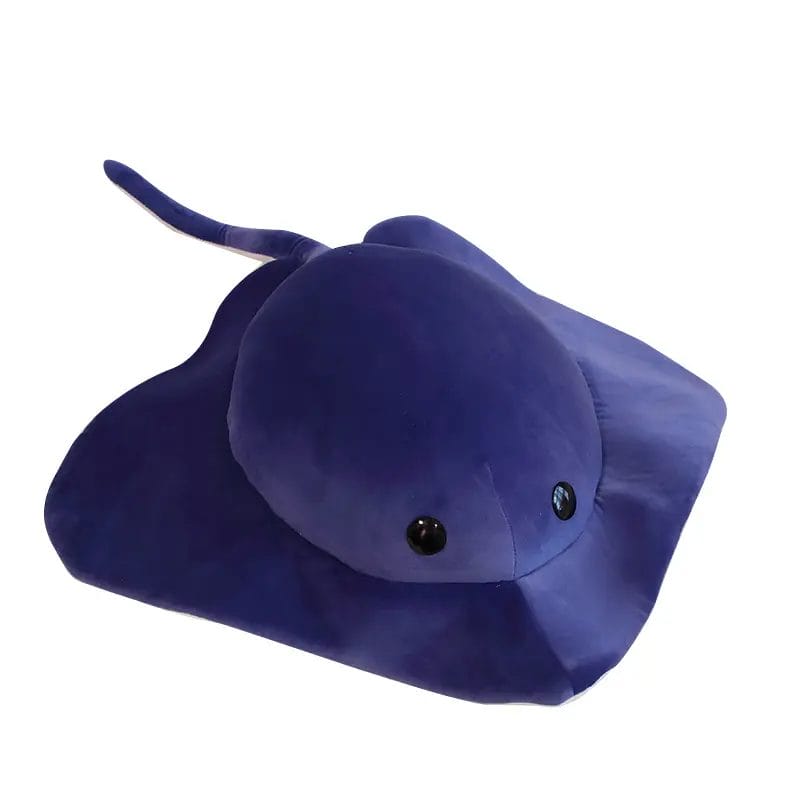
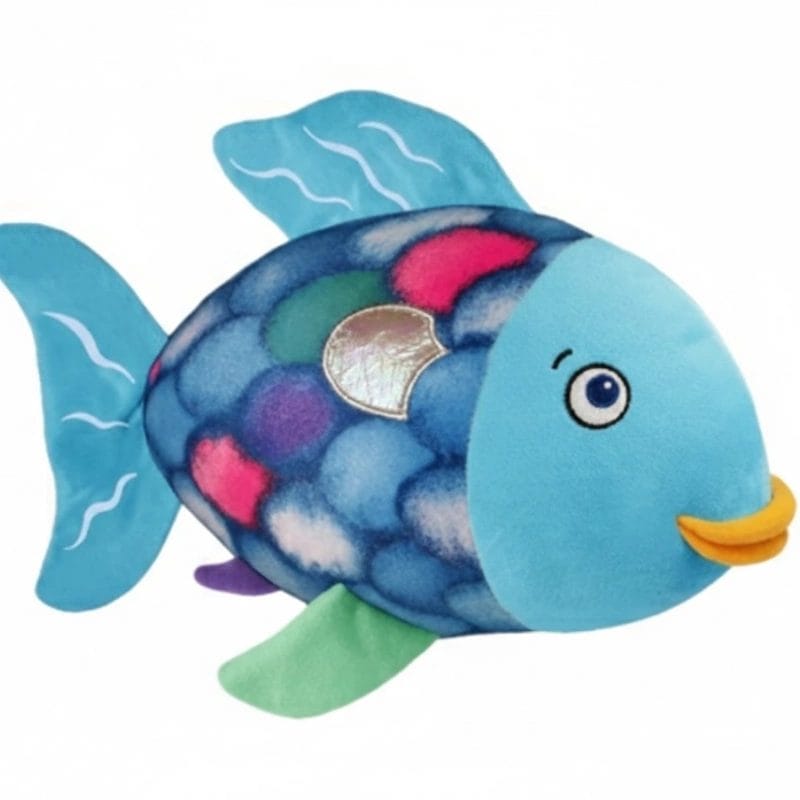
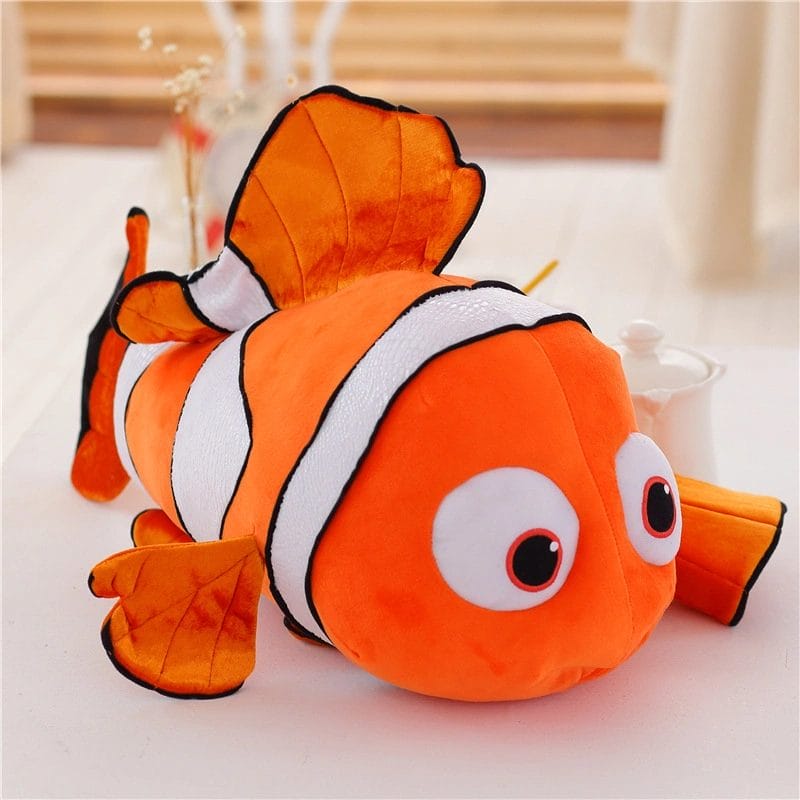
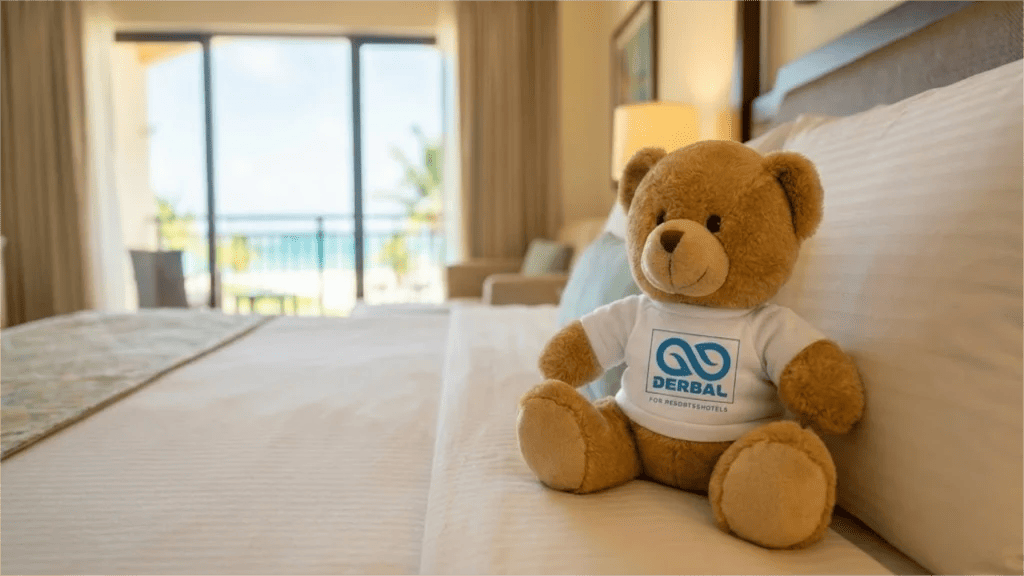
No longer just cheap giveaways, high-quality soft toys are becoming essential assets for resorts and hotels aiming to capture the lucrative family travel market. They are the only amenity that doesn’t get used up or thrown away—instead, they travel home, becoming permanent brand ambassadors in your guest’s living room.
In this article, we will explore why sourcing the right soft toys is no longer child’s play—it’s a serious business strategy for increasing guest satisfaction and ancillary revenue.
1. The “Kid-Fluencer” Effect: Why Families Return
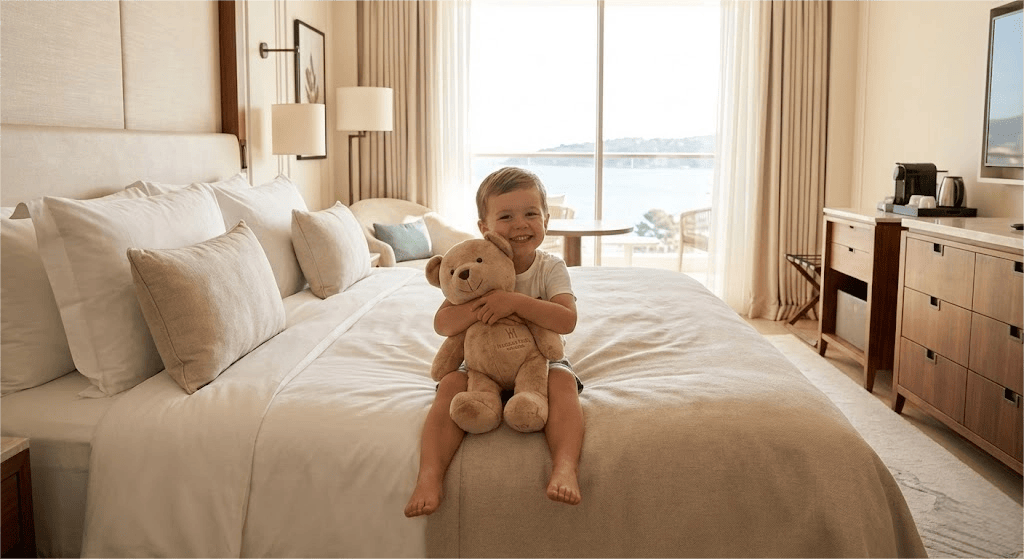
While parents may hold the credit card, children often hold the veto power on where a family stays next time. In the hospitality industry, we call this the “Kid-Fluencer” dynamic.
According to insights from organizations like the Family Travel Association, a vast majority of parents admit that their children’s preferences influence travel decisions. If a child remembers a hotel as “the place with the boring lobby,” they won’t return. If they remember it as “the place where I got the Ranger Bear,” you have secured a loyal customer.
The Operational Impact:
When you procure engaging hotel toys, you are effectively deploying a “pacification tool” for your frontline staff.
-
Housekeeping: Leaving a small plush animal on the pillow (turndown service) surprises guests and reduces complaints about room readiness.
-
F&B: Providing a small toy or activity pack in the restaurant keeps children occupied, allowing parents to order more food and wine, directly increasing the average check size.
Pro Tip: Don’t just hand out generic toys. Create a character that tells your property’s story. If you are a mountain resort, a plush elk works better than a generic teddy bear. Context creates value.
2. The ROI of Durability: A Procurement Perspective
For a Procurement Director, the hesitation is often cost. Why spend budget on a plush toy when you need to restock shampoo?
Here is the reality: Most amenities are liabilities; Hotel Toys are assets.
When you buy a luxury bottle of lotion, it is consumed or discarded within 24 hours. Its marketing value ends the moment it hits the trash bin. A custom soft toy, however, has an average lifespan of 3-7 years in a child’s possession.
Cost-Benefit Analysis: Consumables vs. Durables
| Comparison Metric | Standard Amenity (e.g., Branded Slippers) | Custom Hotel Toy (e.g., Plush Mascot) |
| Guest Interaction | Functional (Used 1-2 times) | Emotional (Hugged, slept with, played with) |
| Brand Exposure | Zero (Discarded after stay) | High (Taken home, visible for years) |
| Social Media Potential | Low (Rarely photographed) | Very High (Star of Instagram/TikTok posts) |
| Financial Nature | Cost Center (Pure expense) | Profit Center (Retail opportunity) |
By shifting a portion of the amenities budget to long-lasting soft toys, you are essentially buying inexpensive, long-term advertising space in your guest’s home.
3. Turning Inventory into Revenue (The Retail Strategy)
This is where DERBAL sees the biggest opportunity for our clients. Hotel toys should not just be a “giveaway”—they should be a revenue stream.
Many top-tier hotels use a “Hybrid Model” to maximize revenue while maintaining high guest satisfaction.
The Hybrid Implementation Strategy:
-
The VIP Gift (Loss Leader): For high-value bookings (Suites / Long-stay families), the toy is complimentary. The cost is absorbed by the room rate, but the “Delight Factor” ensures a 5-star review.
-
The In-Room “Sale” (Retail): Place the plush toy on the bed with a nicely designed tag: “I’m looking for a new home! Take me with you for $25.”
-
Psychological trigger: Once the child has slept with the toy for a night, the emotional bond is formed. Parents are happy to pay the retail price to keep the child happy.
-
-
The Gift Shop Upsell: Offer a collection (e.g., The Bear, The Bear’s T-shirt, The Bear’s Backpack).
Market Data: A well-sourced custom plush toy from China typically costs between $3 – $6 (depending on size/complexity), yet retails in hotels for $15 – $30. This represents a 300%+ markup—far higher than food or beverage margins.
4. Sourcing Intelligence: Safety & Brand Consistency
Sourcing hotel toys is more complex than sourcing linens. Because the end-user is a child, safety liability is a major concern for hotel owners.
There is a significant difference between a cheap carnival toy and a professional hospitality-grade plush.
What to look for in a Supplier (The DERBAL Standard):
-
Safety Certifications: Ensure your supplier provides CE (Europe), ASTM (USA), or EN71 certifications. Non-toxic materials and secure stitching (to prevent choking hazards) are non-negotiable.
-
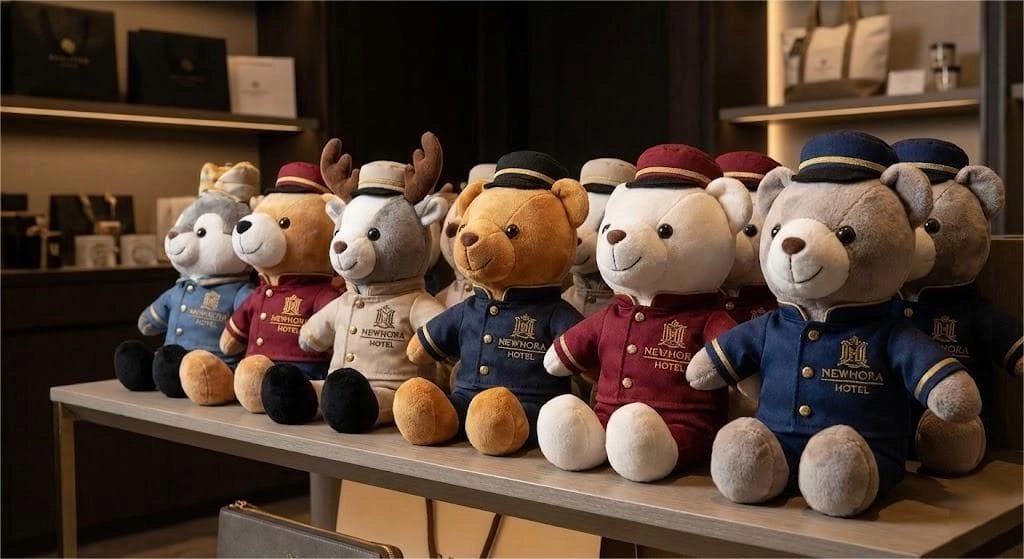
Customization Depth: A simple logo print on a t-shirt is the “entry-level” option. To truly stand out, consider full-custom molds.
-
Example: Does your hotel staff wear a distinctive uniform? We can replicate that exact uniform on a plush bear. This reinforces your brand identity subconsciously.
-
-
Tactile Quality: In a luxury environment, the toy must feel expensive. High-pile fabrics and quality stuffing prevent the toy from looking “cheap” after being packed in a suitcase.
Frequently Asked Questions: Sourcing Hotel Toys for Hospitality
Adding custom toys to your procurement list raises specific logistical questions. Here are answers to the most common queries from hotel managers and purchasing directors.
Q1: What is the typical minimum order quantity (MOQ) for custom hotel plush toys?
A: MOQ is often the biggest hurdle in custom manufacturing. For a completely new, fully customized mascot design (requiring a new mold), MOQs generally start around 1,000 to 2,000 units to make production cost-effective. However, for “semi-custom” options—such as adding an embroidered logo t-shirt to an existing high-quality stock bear—lower MOQs (e.g., starting from 500 units) may be possible. DERBAL works closely with properties to find the best balance between customization level and budget.
Q2: Are your hotel toys certified safe for infants and young children?
A: Absolutely. In hospitality procurement, liability is a major concern. Safety is non-negotiable. All DERBAL plush toys are manufactured to meet rigorous international safety standards, including CE marks (Europe), ASTM F963 (USA), and EN71. We ensure non-toxic materials, flame retardancy, and secure stitching (pull-tests) to prevent choking hazards, making them safe for guests of all ages, including toddlers.
Q3: How long does the entire process take, from design concept to delivery?
A: Custom manufacturing is not an overnight process. We recommend planning 3 to 4 months ahead of your target launch date (e.g., start planning in spring for the summer season).
-
Design & Prototyping: 2-4 weeks to finalize sketches and produce a physical sample for approval.
-
Mass Production: 4-6 weeks, depending on quantity and complexity.
-
International Shipping: 4-6 weeks for sea freight (the most cost-effective option for bulky items like toys).
Q4: We don’t have a brand mascot design yet. Can DERBAL help us create one?
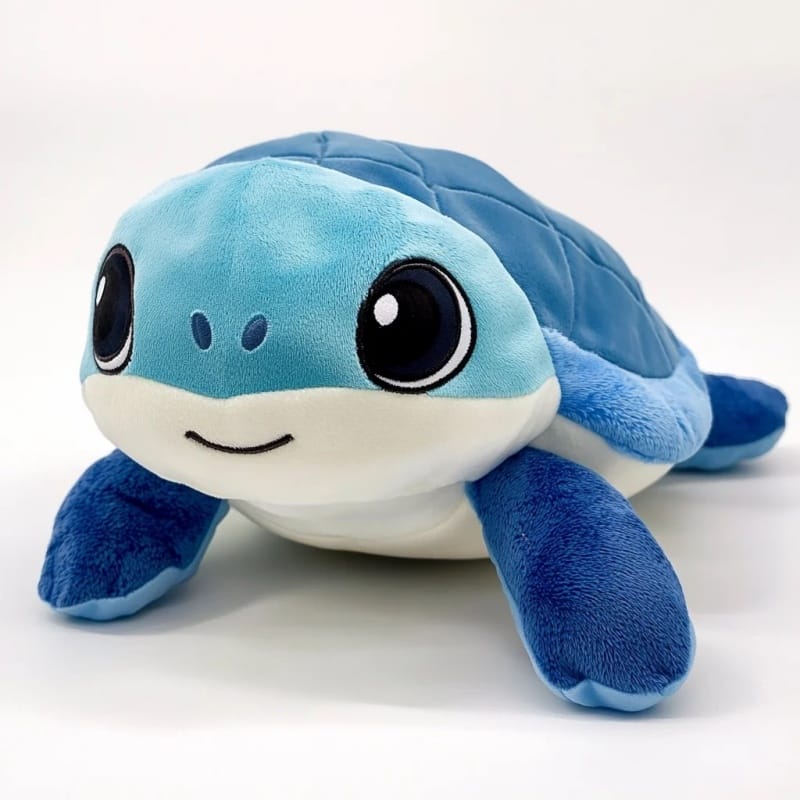
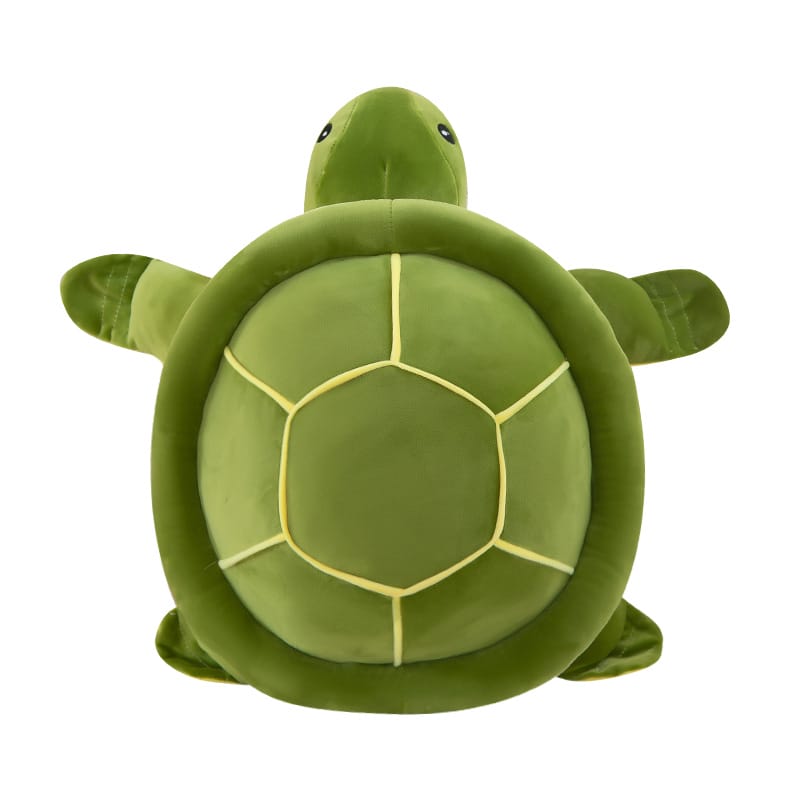
A: Yes. Many hotels know they want a mascot but don’t have the in-house design resources. Our design team specializes in creating hospitality characters that resonate with your property’s location and vibe—whether it’s a friendly yeti for a ski resort, a sea turtle for a beach property, or a sophisticated bear for a city business hotel. We guide you from initial sketch to final plush prototype.
Q5: Can hotel toys really generate revenue, or are they just an added cost?
A: When implemented correctly, they are a proven profit center. While they serve as excellent complimentary amenities for VIP family suites, most hotels see the highest ROI through retail. A high-quality custom toy that costs $3-$6 to produce via DERBAL can easily retail for $18-$25 in your gift shop or via an in-room purchase menu. The emotional connection drives the sale, offering margins significantly higher than standard F&B items.
Conclusion
The shift towards purchasing hotel toys is not a fleeting trend; it is a calculation. It represents a move away from passive amenities towards active engagement tools.
For hotel owners and procurement managers, a custom plush toy offers a unique trifecta: it enhances the guest experience for the most influential family members (the kids), it serves as a long-term marketing tool in the guest’s home, and it generates direct ancillary revenue through retail sales.
In a market where differentiation is difficult, sometimes the softest touch makes the hardest impact. Investing in a brand mascot is an investment in your hotel’s legacy—one hug at a time.
Ready to Design Your Brand Mascot?
Don’t let your guests leave empty-handed. Whether you need a custom mascot designed from scratch or high-quality wholesale options for your gift shop, DERBAL provides the manufacturing expertise to bring your vision to life—safely and affordably.
👉 Turn Inventory into Memories:Explore DERBAL’s Custom Soft Toys Collection