
Hotel gifts are more than a pleasant surprise at check‑in. When done right, they’re a quiet operating system for loyalty, reviews, and brand memory—threading together VIP welcomes, weddings and MICE, spa experiences, and pre‑opening moments into something guests will remember and talk about.
This ultimate guide is written for procurement teams, GMs and owners, design/ops leaders, and corporate brand teams who need a practical path from idea to delivered gifts—without last‑minute scrambles. We’ll cover what counts as a hotel gift (and what doesn’t), how to brief and evaluate suppliers, realistic MOQs and lead times, sustainability and compliance, and how to roll out multi‑property programs under tight timelines.
A quick scope note: gifts are discretionary items given to guests or partners to create goodwill and reinforce brand identity. They are distinct from amenities (operational provisions, like toiletries) and merchandise (retail items sold for revenue). Industry merchandising commentary points to hotels increasingly thinking like retailers—curating physical items and experiences to deepen guest value—an approach widely discussed in hospitality trade media and merchandising think pieces.
The business case for hotel gifts (and why timing beats inspiration)
Guest gifting works because it turns intangible care into something guests can hold, keep, or use on the journey home. That tactile memory tends to lift post‑stay satisfaction and review likelihood, especially when the item feels on‑brand—materials, fragrance, and packaging all speaking the same visual language as the property.
Two macro currents make gifting more strategic in 2024–2026. First, personalization and merchandise‑style thinking are reshaping ancillary revenue and brand expression in hotels, with trade publications forecasting stronger, more curated retail and add‑on programs. These trends, while often discussed as opinion features, consistently point to hotels framing gifts and merchandise as part of a broader retailing strategy rather than random room drops. Second, sustainability has moved from “nice to have” to policy. The EU’s Packaging and Packaging Waste Regulation (PPWR) entered into force in early 2025 with phased application starting 2026, setting recyclability, recycled content, and packaging minimization rules that affect gift packaging for EU markets. See the European framework overview in the European Parliament’s communications and law‑firm summaries for timing and scope. For a concise primer, review the European PPWR timeline explained in SGS’s regulatory update and official EU summaries.
If you treat hotel gifts as a program—scoped, sampled, and tracked—you reduce risk on brand consistency, timing, and cost. That’s the central thesis of this guide: inspiration is essential, but operations make it real.
For deeper thinking on aligning gifts with your brand identity and guest segments, you can explore how branded amenities shape perception in this internal perspective on hotel amenities and brand identity.
Hotel gift categories that actually work (with specs, MOQs, and quality notes)
Think in families, not one‑offs. A tight set of configurable SKUs can cover VIP, suites, weddings/MICE, spa, and pre‑opening.
1) Welcome kits (kitted sets)
Use cases include VIP arrivals, suites, pre‑opening, loyalty tiers, weddings, and corporate events. A typical kit combines a reusable hero item with consumables and a brand story card. Popular contents include a double‑wall stainless bottle or tumbler, artisan snack or tea duo, a sleep mask, and a compact local guide.
For customization, specify an FSC rigid box or folding carton with magnetic closure, a custom insert tray, foil/deboss on the lid, kitting and tissue wrap, and a sleeve with a quick‑scan welcome note. Lock dielines early and proof under D50 light to stabilize colors across components.
Indicative MOQs and lead times: 3,000–10,000 sets; samples in 7–10 days; production 20–35 days once the golden sample is signed. Consumables (tea/snacks) may drive final MOQ and compliance checks. Quality checks should verify adhesive and tray tolerances, include drop tests for master cartons, and plan 1–2% spares for damages. If fragrance items are included, test for odor migration.
Explore how ready‑to‑use kits can be tailored for rooms and VIPs here: hotel amenity travel kit. For BOM‑level accuracy in kitting and labeling, see the hotel amenities kit overview.
2) Spa and wellness gifts
Use cases include spa packages, wellness retreats, bridal groups, and celebrity/VIP recovery kits. Common builds include bath salts, essential oils, mini lotions, eye masks, and soft accessories.
Customization options range from amber or frosted vessels with custom labels or hot stamp to kraft or FSC cartons with satin ribbons and scent cards describing the fragrance notes. Typical MOQs are 1,000–3,000 units per SKU; samples in 7–14 days; production 25–35 days depending on fragrance filling schedules.
Compliance flags: U.S. cosmetics fall under the FDA’s Modernization of Cosmetics Regulation Act. The FDA’s overview explains facility registration and product listing responsibilities under MoCRA; labels must follow ingredient declaration rules in 21 CFR 701.3 (see the FDA’s labeling summary). In the EU, cosmetics are regulated by Regulation (EC) No 1223/2009 with safety assessment, Product Information File, responsible person, and CPNP notification requirements. Work backward from your target market to define labeling languages and documentation.
For eco‑aligned spa gifting components and packaging options, browse the disposable amenities category and the eco amenity set.
3) Stainless steel water bottles
Use cases span suites, pool and fitness, weddings/MICE day kits, and staff gifting. Double‑wall vacuum bottles retain temperature and carry logos well. Choose laser engraving for durable branding; screen print for spot colors; and digital UV for gradient or photographic art. Powder‑coat finishes hide scuffs and feel premium.
Indicative MOQs and lead times: 500–1,000 units (some factories 2,000+ for special caps/colors); samples 3–7 days; production 15–30 days. Quality checks include leak testing, vacuum integrity checks, and abrasion tests for prints. Confirm BPA‑free claims for lids and ensure food‑contact compliance where applicable.
4) Cotton canvas totes
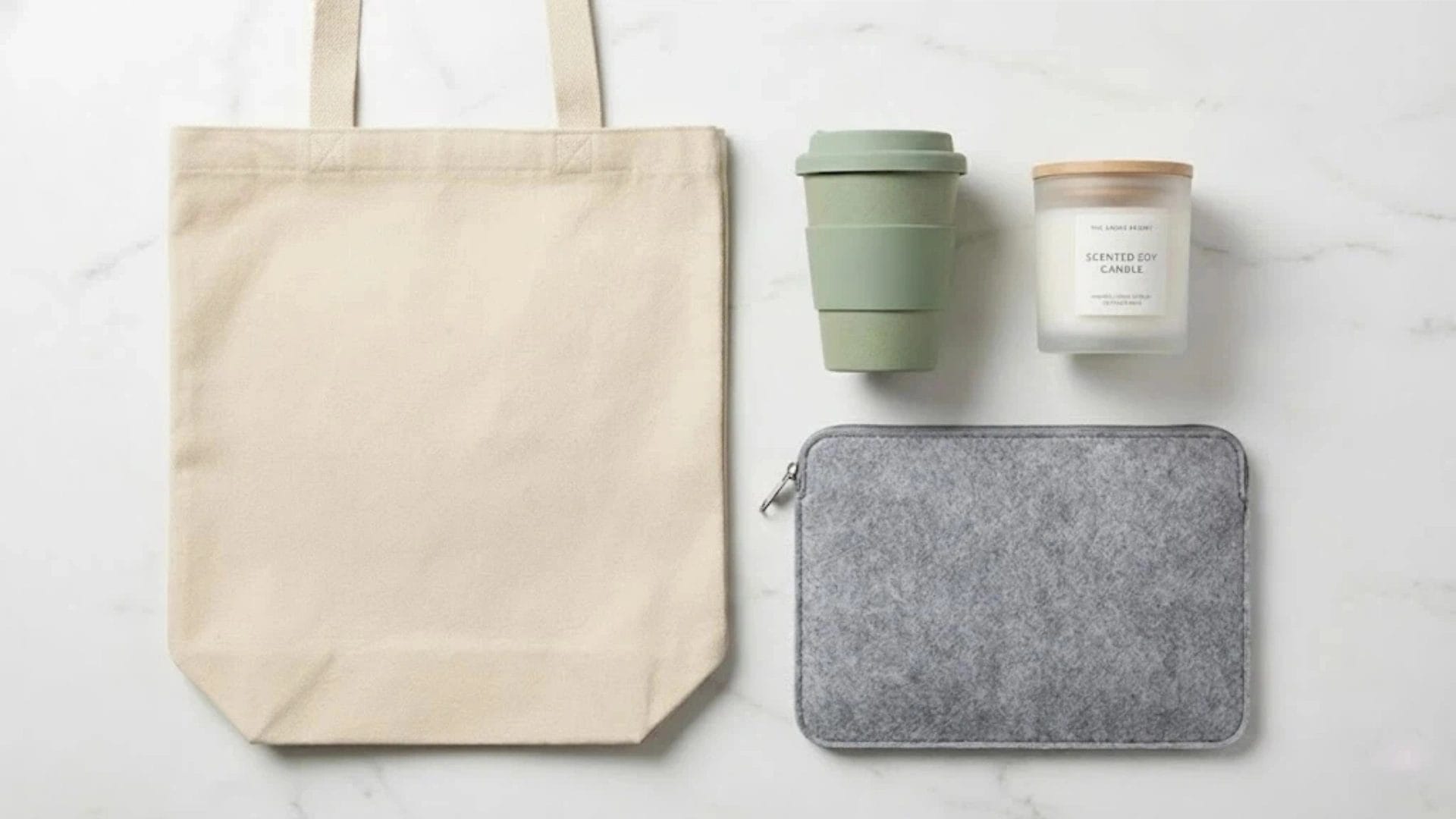
Totes are cost‑efficient, easy to store, and friendly to small properties. Use cases include day trips, MICE welcome drops, retail tie‑ins, and family packages. Specify 12–16 oz canvas, reinforced handles, gusset depth tuned to your kit contents, and consider an inside pocket for itinerary cards. Decoration options include screen print, digital transfer for complex art, or embroidery for a premium hand.
Indicative MOQs and lead times: 500–2,000 units; samples 3–7 days; production 15–30 days. Embroidery or all‑over print may extend cycles. Quality checks should focus on stitch density and handle pull tests. Confirm fold‑flat packing height to optimize ocean cartons.
5) Scented candles and diffusers
Fragrance is a shorthand for memory; guests often keep these for weeks. Use cases include suite turndown, VIP gifts, and spa retail. Choose soy wax with a cotton wick in frosted or matte vessels; brand with label print, hot stamp, or pad print; upgrade with an FSC carton and a scent story card.
Indicative MOQs and lead times: 500–1,000 units; samples 7–14 days for fragrance and burn tests; production 25–35 days. Provide SDS/CLP for EU diffusers and relevant transport documents if shipping by air. Keep claims modest—avoid medicinal language.
6) Tech travel sets
For conferences, corporate groups, and loyalty tiers, a compact set with a 20W charger, braided cable, and travel pouch works well. Decorate chargers with laser or pad print; screen print pouches; and use a sleeve or gift box with a QR code to the event agenda. Factor CE/FCC/UKCA documentation into your RFQ and confirm power specs by market.
Indicative MOQs and lead times: 500–1,000 sets; samples 5–10 days; production 15–30 days. Quality checks include port fit, electrical safety, and documentation inclusion in your QA pack.
7) Gourmet and tea sets
Suite welcomes, honeymooners, and corporate thank‑you programs benefit from edible keepsakes paired with a branded utensil or mug. Co‑brand labels and seal pouches inside rigid cartons with tasting cards. In the U.S., major allergens must be declared under the FDA’s allergen law; sesame is also recognized as a major allergen under the FASTER Act. In the EU, Regulation (EU) No 1169/2011 governs ingredient lists, allergen emphasis, and nutrition/origin rules.
8) In‑room presentation boxes (PU leather or acrylic)
Presentation elevates even simple items. For luxury suites, villas, and branded residences, specify PU leather boxes with deboss/foil or acrylic holders for a clean, modern look. Use modular inserts to fit your chosen kit components. MOQs are often 200–500 units for boxes, with production windows of 15–30 working days depending on finishes.
If you’re weighing materials and finishes, compare a PU leather amenity box with a luxury acrylic amenity box for different design directions and durability. For broader promotional gifting and branded giveaways, review this category overview: hotel promotional items and branded gifts.
From RFQ to sign‑off: a workflow that prevents surprises
Great gifts start with a clear brief. Your RFQ (request for quotation) should allow apples‑to‑apples quotes and a manufacturable plan. The structure below aligns with widely taught procurement practice (CIPS/ISM) and hospitality category norms.
Start by defining the intended use and audience, then provide a precise spec: dimensions, materials, colorways, finish, branding locations and print methods, and compliance needs by market. Specify packaging with dielines, include editable vector artwork and color profiles, and detail kitting instructions if you need room‑ready sets. Set a sampling plan that states pre‑production sample counts, approval criteria, and timing. Document QC expectations and any functional tests—leak, abrasion, burn—and list certificates required such as FSC chain of custody for paper packaging or SDS/CLP for diffusers. Finally, present quantity ladders and delivery windows by destination, naming your preferred Incoterm.
Evaluate suppliers with a simple weighted score. Quality typically carries 30–40%, delivery 20–30%, total cost of ownership 20–40%, service 10–20%, risk 10–20%, and sustainability/ESG 5–15%. Request factory certifications (ISO 9001/14001), production capacity statements, historical on‑time rates, corrective action responsiveness, and hospitality references. Keep ethics and transparency front and center, as vendor‑management guidance from professional bodies like ISM emphasizes.
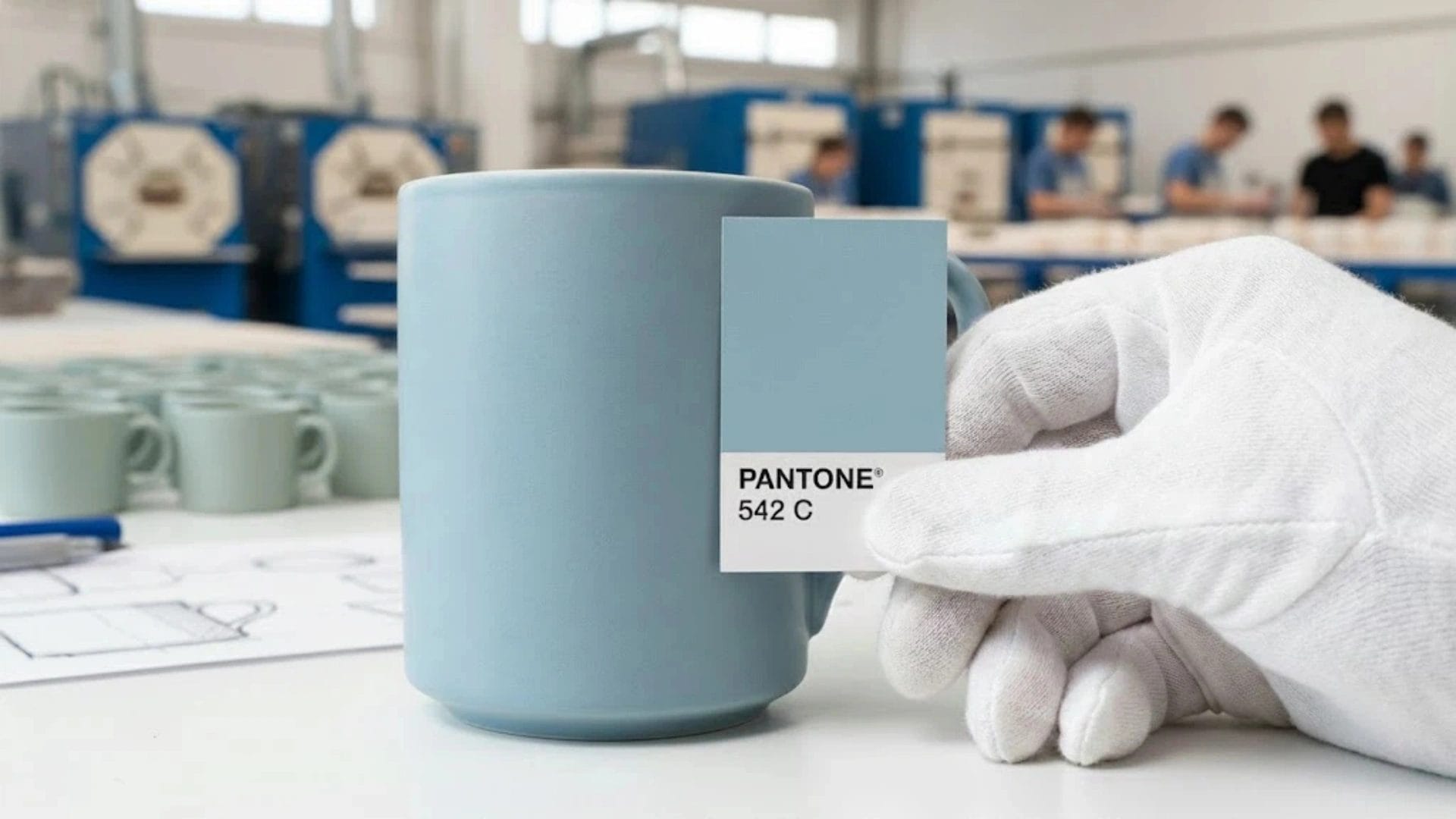
Move quickly through samples to reach a golden sample your brand team can sign. Photograph it under standard light and document acceptance criteria: Pantone targets, print adhesion, stitching, fragrance notes, labeling placement, and packaging construction. That document becomes your yardstick at QC and inbound inspection.
Be explicit in contracts about Incoterms 2020 responsibilities and risk transfer. The International Chamber of Commerce explains that EXW places almost all obligations on the buyer, FOB is for sea freight with risk transferring on board, and DDP gives the seller maximum obligations—including import clearance and duties—delivering ready for unloading at destination. See the ICC’s Incoterms 2020 overview for role and risk clarity. Spell out tooling fees, set‑up charges, sample costs, payment terms, and milestone dates with consequences for slippage.
Manufacturing and customization: decide early, move faster
Decoration methods should fit materials and usage. Bottles take laser engraving for permanence, pad/screen for spot colors, and digital UV for multi‑color art. Canvas prefers screen for spot colors, heat transfer or digital for complex art, and embroidery for premium texture. Candles and diffusers pair well with printed labels or hot stamp on vessels and embossed or debossed packaging. Tech sets use pad or laser on metal and screen on ABS, with packaging options like spot UV or foil for the hero moment.
Packaging and kitting benefit from early dieline lock. Design inserts that hold items securely and define unit and master carton labeling, including HS codes and destination if splitting shipments. If you need room‑ready or VIP‑ready kits, confirm kitting SOPs and testpack a full carton to validate cube, weight, and handling. For a sense of what turnkey kitting looks like, the hotel amenities kit page discusses room‑ready assembly.
Below is a quick reference for indicative MOQs and lead times—confirm in your RFQ.
| Product family | Typical MOQ | Sample lead time | Production lead time |
|---|---|---|---|
| Welcome kits (multi‑component) | 3,000–10,000 sets | 7–10 days | 20–35 days |
| Spa/wellness gifts | 1,000–3,000 units | 7–14 days | 25–35 days |
| Stainless bottles | 500–1,000 units | 3–7 days | 15–30 days |
| Canvas totes | 500–2,000 units | 3–7 days | 15–30 days |
| Candles/diffusers | 500–1,000 units | 7–14 days | 25–35 days |
| Tech travel sets | 500–1,000 sets | 5–10 days | 15–30 days |
| Gourmet/tea sets | 500–2,000 units | 5–10 days | 15–30 days |
| Presentation boxes | 200–500 units | 5–7 days | 15–30 days |
Sustainability and compliance without the headaches
If you deliver gifts into the EU, design toward recyclability and minimize empty space. The Packaging and Packaging Waste Regulation, adopted in early 2025 with phased application from 2026, sets recyclability requirements, recycled‑content thresholds for plastics from 2030, and tighter extended producer responsibility. The European Parliament and Commission pages summarize scope and timing; law‑and‑testing firms provide buyer‑friendly explainers. Use FSC‑certified paper/board and avoid unnecessary multi‑material constructions when you can.
Cosmetics, food, and electronics each carry their own compliance regimes. In the U.S., the FDA’s MoCRA hub outlines facility registration and product listing responsibilities for cosmetics; labeling must meet ingredient declaration rules in 21 CFR 701.3. In the EU, Regulation (EC) No 1223/2009 requires a safety assessment, a Product Information File, an EU/EEA responsible person, and CPNP notification; labels need INCI ingredients and market language. For food, U.S. allergen rules mandate clear disclosure, and the EU’s Regulation (EU) No 1169/2011 sets ingredient lists, allergen emphasis, and nutrition/origin rules. Electronics should carry CE/FCC/UKCA marks with test reports in your QC pack.
Three practical sustainability moves that consistently help: pick FSC packaging and design for recyclability with minimized void space; validate recycled‑content claims for plastics where made and keep chain‑of‑custody paperwork; and right‑size cartons, using modulated EPR data from partners to plan fees in covered markets.
Logistics: choosing modes and orchestrating multi‑property rollouts
Set the calendar first, not last. Transit times swing with season and route disruptions. As a benchmark, the Flexport Ocean Timeliness Indicator shows late‑2025 cargo‑ready to destination‑port medians of roughly 35 days China→US West Coast, 52 days China→US East Coast, and 61 days China→North Europe. See Flexport’s latest Ocean Timeliness Indicator for current bands.
Ocean FCL door‑to‑door often lands 25–40+ days depending on coast and drayage; LCL adds consolidation time. Air freight runs 5–12 days door‑to‑door, and express can be 1–5 days, subject to customs. Add a 3–7 day buffer for customs and inland moves, with extra slack during peak or when routing changes (e.g., Suez/Red Sea reroutes). Match mode to your event date and budget, and consider hybrid plans (majority ocean, contingency air for VIP tiers).
Under DDP (Delivered Duty Paid), the seller handles import clearance, duties/taxes, and delivers ready for unloading at destination. ICC’s Incoterms 2020 guidance notes DDP’s complexity if the seller cannot act as importer of record; align on broker power of attorney, HS codes, valuation method, and labeling to avoid holds. For multi‑property splits, request carton‑level labels and ASN data, sequence shipments by opening dates, and palletize by property where practical.
Customs troubleshooting in practice reads like a checklist baked into contracts. Confirm importer‑of‑record and representation type (direct/indirect in the EU) before booking; pre‑share HS codes, product descriptions, valuation basis, and any certificates (FSC, SDS/CLP, CE/FCC) with brokers; ensure carton and unit labels match paperwork; and keep a contingency plan for partial airfreight if a subset of VIP gifts must arrive earlier than the bulk.
Process in practice: anonymized composite case studies
What follows are anonymized composites derived from real hotel projects. They are indicative ranges meant to show how timing, sampling, and logistics interplay. Your mileage will vary based on spec complexity and seasonality.
Case A — Luxury resort pre‑opening kits (Asia). Scope: 7,500 custom welcome kits for two coastal resorts and one city property, with an elevated unboxing experience (FSC rigid box, debossed lid, soy candle, tea duo, mini city guide, and a powder‑coated 500 ml bottle). RFQ to delivery window: 6 weeks. What worked: dielines were locked within 3 days; two sample rounds concluded in 12 calendar days; fragrance stability and print adhesion passed on round two. Production took 18 days. Logistics used a hybrid plan: majority ocean to the two resorts, express air for the city property’s earlier soft opening. Approximate outcome: post‑stay VIP survey participation increased, and satisfaction scores rose in the 10–15% range vs. the previous season’s control period. Risks mitigated through redundant express capacity, carton drop tests, and 1.5% spares. Documentation included SDS for fragrance components and FSC chain‑of‑custody for packaging.
Case B — Multi‑property bottle + tote refresh (EMEA). Scope: 15,000 stainless bottles and 12,000 canvas tote kits across nine properties in three countries. Artwork localized by market; one master colorway strategy to maintain brand unity. What worked: fast engraving samples signed within 72 hours; ocean+air split to hit staggered events. Shrinkage on arrival was under 1.2% thanks to reinforced master cartons and foam separators. ASN carton labels mapped to each property; receiving teams reported smoother counts and stocking.
Case C — MICE event surge with tech travel sets. Scope: 3,200 branded tech travel sets for a sponsor‑heavy conference, co‑branded across four partners, delivered to a convention hotel complex. What worked: proofs in 72 hours; production in 5 business days; express delivery in 4 business days with pre‑clearance documentation attached. Event NPS improved by roughly 0.4 points on a 10‑point scale; sponsor recognition in post‑event surveys was notably higher than previous editions.
A neutral example of an end‑to‑end partner workflow (design→DDP). Disclosure: DERBAL is our product. A one‑stop, China‑based partner like DERBAL can be used to consolidate multi‑component kits and manage RFQ to DDP. A typical workflow starts with RFQ intake, where the spec sheet and artwork are reviewed for manufacturability and risk notes returned within 24–48 hours. Sampling then moves on proofs and pre‑production samples produced in days rather than weeks, with milestone gates and photography for remote sign‑off. During production, BOM‑level control for kitting, color‑managed printing, and AQL‑based QC hold the standard. Logistics completes the arc with DDP to named destinations, carton‑level labels, ASN, and hybrid mode planning when launch windows demand it.
For rapid event customization and room‑drop programs, see how events gifting is framed here: events and gifts customization. If your program blends gifting with room‑ready amenities, explore cross‑category options in guestroom supplies to keep procurement consolidated.
A practical budgeting scenario (MOQs, modes, and cost levers)
Imagine a 500‑room resort planning VIP welcome kits for a summer relaunch. The brief: a powder‑coated 500 ml bottle (laser engraved), soy candle (frosted vessel), organic tea duo, and an FSC rigid box with debossed lid and custom insert. You need 6,000 kits for the launch plus 1,000 spares across the season.
- Quantities and unit cost curves: the bottle at 1,000 units may price at a higher per‑unit rate than at 6,000; engraving set‑up is largely fixed. The candle’s vessel decoration and fragrance filling exhibit similar economies. The rigid box benefits from sheet yield and set‑up amortization at 7,000+.
- Timeline impacts on mode: with a 9‑week runway, you can ocean most kits and express 300–500 for early VIPs. If approvals slip by two weeks, expect to shift a larger tranche to air/express, raising landed cost but preserving the launch window.
- Packaging optimization: swapping a deep‑lid rigid box for a folding carton with an engineered insert can shave carton cube by 8–12%, compounding savings in ocean freight and storage without losing perceived value—provided the print finish (foil, spot UV) stays premium.
The decision framework is simple: protect the launch date, preserve brand quality at touchpoints (engraving, fragrance, unboxing), and use hybrid logistics to cap risk. Costs fall when artwork approval is early, packaging is right‑sized, and components share colorways and materials.
Next steps for hotel gift procurement teams
Define your program scope by segment (VIP, MICE, spa, pre‑opening) and set a conservative delivery window; work backward to pick modes. Draft a complete RFQ including the spec sheet, packaging dielines, artwork, sampling plan, QC/acceptance criteria, incoterm, destinations, and quantity ladders. Shortlist two suppliers with verifiable hospitality references and a clear plan for milestone tracking and DDP execution where needed.
If you want a consolidated view of branded gifting options and kitted programs, review hotel promotional items and branded gifts and room‑ready hotel amenities kits. A one‑stop partner such as DERBAL can help coordinate design‑to‑delivery with RFQ support, sampling, production control, and DDP logistics across multiple destinations.
Sources and further reading
- International Chamber of Commerce, the official Incoterms pages: see the ICC’s Incoterms 2020 overview for role, risk, and responsibility definitions (updated editions and explainers).
- Flexport’s weekly logistics benchmark, the Ocean Timeliness Indicator, for current China→US/EU transit bands and direction of change.
- European Union Packaging and Packaging Waste framework: European Parliament and Commission updates, plus buyer‑friendly summaries such as SGS’s PPWR explainers (searchable on SGS) for timing and recyclability/recycled‑content notes; see also official EU PPWR communications.
- FDA’s Modernization of Cosmetics Regulation Act (MoCRA) hub and labeling overview; EU’s Regulation (EC) No 1223/2009 for cosmetics and Regulation (EU) No 1169/2011 for food labeling.