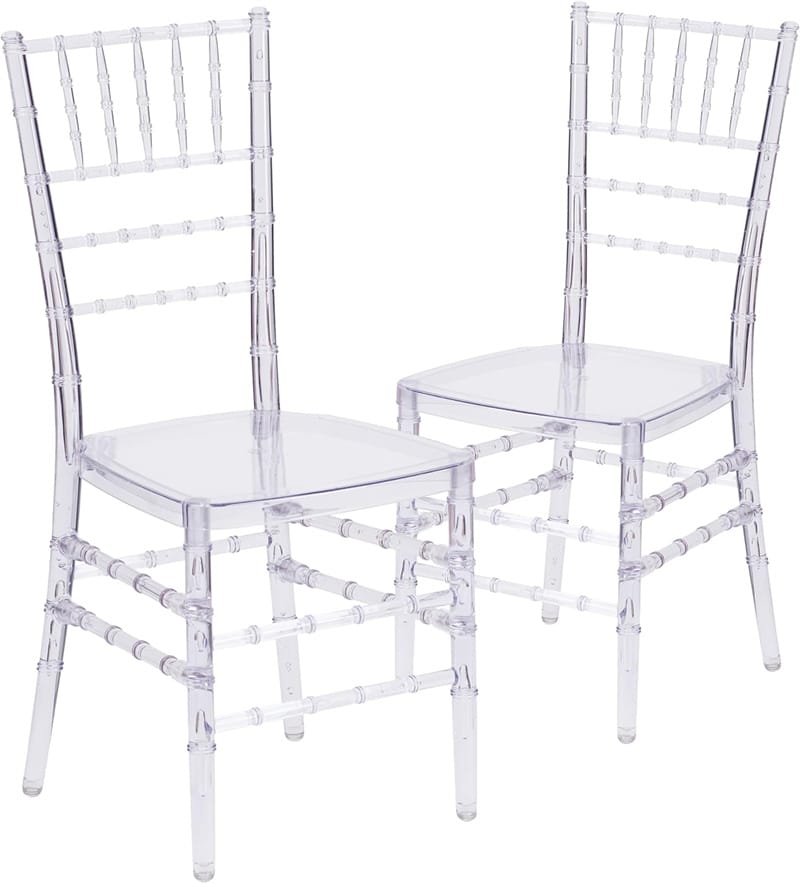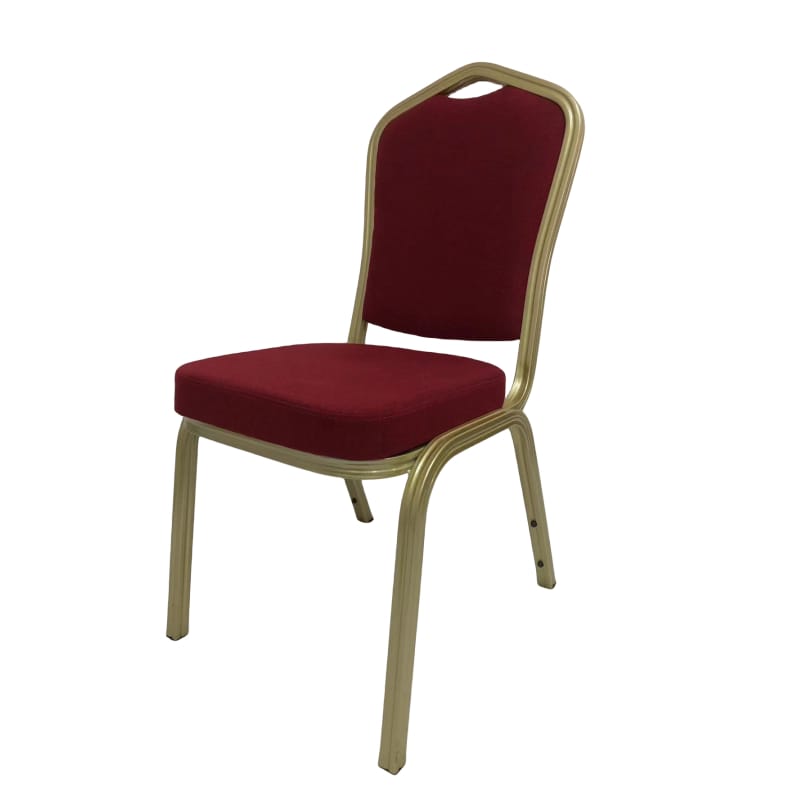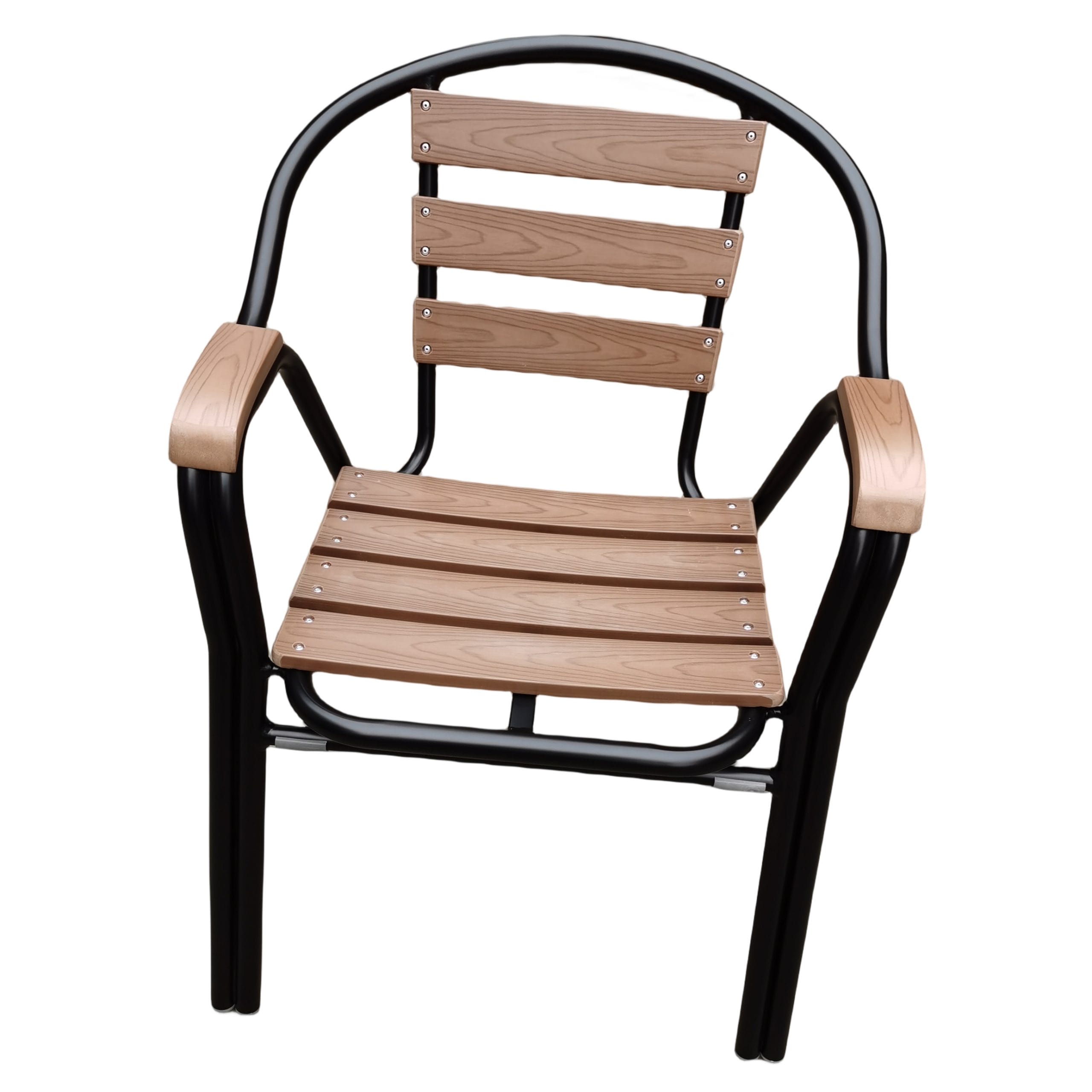
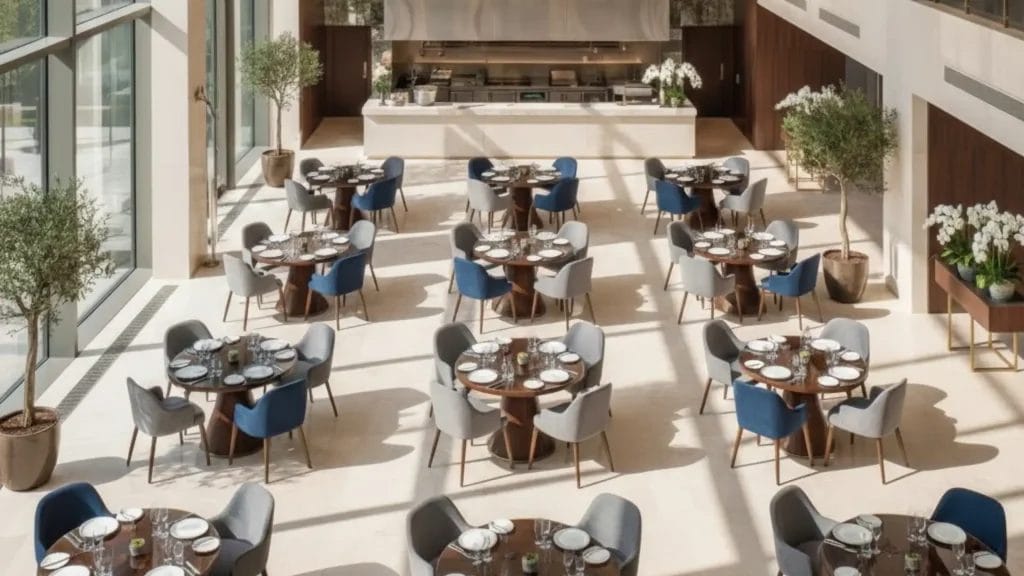
Selecting the right hotel furniture is more than an aesthetic choice; it is a strategic decision that defines your restaurant layout and operational efficiency.
40–41 inches to 42–43 inches, enabling two‑way passing in critical spots and reducing shoulder checks during peak service. Because the change is absorbed within the furniture envelope, table centers stay balanced and guest ergonomics remain within comfort ranges for fine dining.
Modeled performance indicators (for planning only):
- +1–2 two‑top modules preserved or added across the run (plan‑dependent).
- Lower congestion probability at pinch points, with fewer forced single‑file sequences in simulated peak windows.
- Potential reduction in server travel distance on hot runs due to fewer detours around stalled nodes.
Below is a simple diagram that illustrates the before/after condition. Use it as a conversation starter with your design and operations team; validate on site with a taped mock‑up and a short service pilot.

Notes:
- Treat these as modeled results until you verify with field measurements. For accessible routes and dining surfaces, continue to follow the Access Board’s ADA Chapter 4 and Chapter 9 guidance.
- For egress and assembly capacities, coordinate with your code consultant and reference the IFC 2021 means‑of‑egress overview.
Customization as a problem‑solving tool: what good hotel furniture manufacturers provide
When you’re specifying for a fine‑dining hotel venue, custom geometry isn’t a luxury—it’s risk control. The right partner among hotel furniture manufacturers should offer:
- Parametric dimensions across height, width, and depth, so seating modules can be tuned to your circulation model (e.g., ±5 cm depth options).
- Project‑grade materials that hold up under high frequency: for upholstery, cite abrasion thresholds (e.g., ≥30,000 Wyzenbeek or ≥40,000 Martindale per ACT abrasion guidance); for fire performance, align with the U.S. standard for upholstered furniture smolder resistance adopted nationwide from CAL TB117‑2013 (see the CPSC’s 2021 announcement).
- Moisture‑smart foams (e.g., quick‑dry, high‑density formulations) where outdoor spillover or humid zones exist, paired with sealed frames and serviceable slipcovers where appropriate.
- Prototype and mock‑up support to test ergonomics and measured clearances before committing to mass production.
Think of furniture as your adjustable hardware: small tweaks to footprints and bases can reconcile guest comfort with aisle targets without redesigning the room.
The turnkey advantage: practical restaurant design services from plan to install
A hotel dining room only performs as designed if the intent survives procurement and build‑out. Robust restaurant design services should connect the dots from CAD to opening day:
- Phase 1: Floor‑plan and circulation analysis. Import measured DWG or accurate PDFs; confirm scales and fixed elements; generate offset buffers to test 36‑inch accessible routes and 48–60‑inch main aisles; flag pinch points.
- Phase 2: Material selection and custom prototyping. Align abrasion, fire, and maintenance specs with brand standards; build prototypes in target dimensions; test on‑site with a taped mock‑up and brief service pilot.
- Phase 3: Mass production and global logistics. Lock approved dimensions and finishes; schedule production with QA checkpoints; plan freight with protective packaging and buffer time for customs.
- Phase 4: On‑site installation guidance. Provide layout documents with dimensioned blocks; supervise critical placements; verify accessible routes and egress paths; adjust glides and anchors to achieve final clearances.
This end‑to‑end approach reduces vendor handoffs and keeps your circulation logic intact—so what worked in CAD works on Friday night when the room is full.
Protecting your asset value: specify hotel furniture for the long run
Your dining room is an operating asset. Treat it like one by pairing layout logic with durable specification:
- Verify accessible routes, egress, and dining‑surface compliance against authoritative sources.
- Target aisle and spacing ranges that reflect your peak‑service reality.
- Use parametric furniture dimensions to resolve pinch points without sacrificing comfort.
- Specify upholstery and foams to commercial standards so the room looks and performs the same on day 1,000 as on day 1.
If you’d like a second set of eyes, send your floor plan for a free, CAD‑based circulation audit and furniture layout conversation. We’ll review clearances, identify bottlenecks, and suggest dimensioned seating modules that support both service and guest experience.
FAQ: Optimizing Your Venue with Professional Hotel Furniture
Q1: How does hotel furniture affect the overall restaurant layout?
A: Hotel furniture acts as the primary hardware of your restaurant layout. By customizing the dimensions of chair depths and table widths, you can reclaim valuable floor space. For instance, a small 2-inch reduction in a chair’s profile, when multiplied across 50 units, can widen a service aisle by 10 inches, significantly improving staff movement and guest comfort.
Q2: What are the key standards for hotel furniture in a commercial environment?
A: High-quality hotel furniture must meet rigorous safety and durability standards. At DERBAL, we prioritize CAL TB117-2013 for fire resistance and specify fabrics with a minimum of 40,000 Martindale rubs for high-traffic dining areas. Additionally, using moisture-smart foams ensures the furniture remains hygienic and structurally sound over years of heavy use.
Q3: Can custom-sized hotel furniture increase my restaurant’s seating capacity?
A: Yes, absolutely. Through a professional CAD-based circulation audit, we identify underutilized zones in your restaurant layout. By engineering hotel furniture that fits the specific “envelope” of your space, we can often add 5% to 12% more seating (covers) without making the room feel crowded or violating egress codes.
Q4: Why should I choose a manufacturer that offers one-stop design services?
A: Choosing hotel furniture manufacturers that offer turnkey restaurant design services reduces the risk of “design vs. reality” gaps. A provider that handles everything from initial CAD analysis to on-site installation ensures that the functional circulation logic planned on paper is perfectly executed on the floor, saving you time and multi-vendor coordination costs.