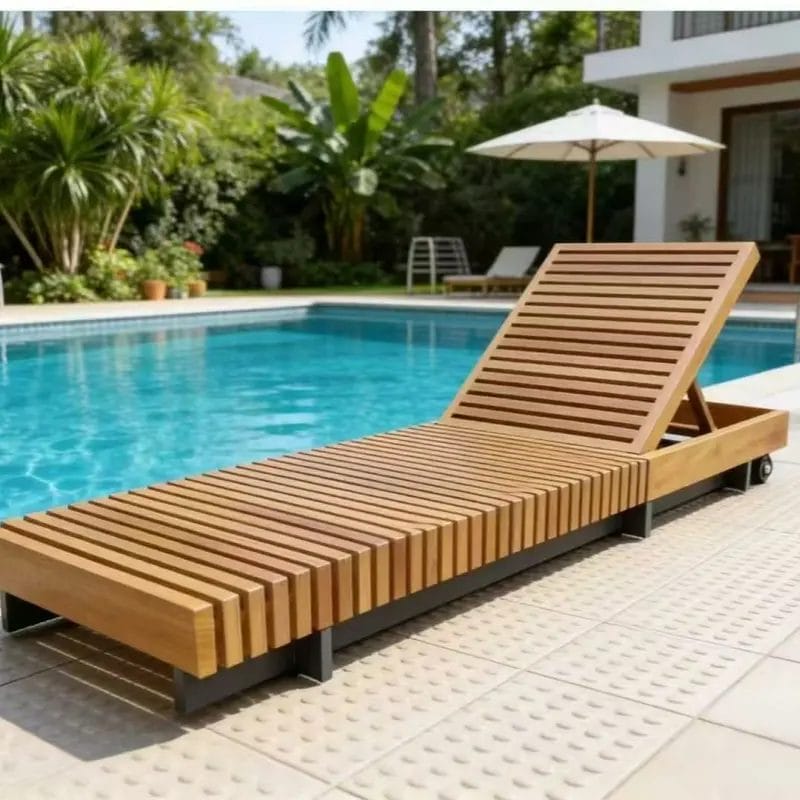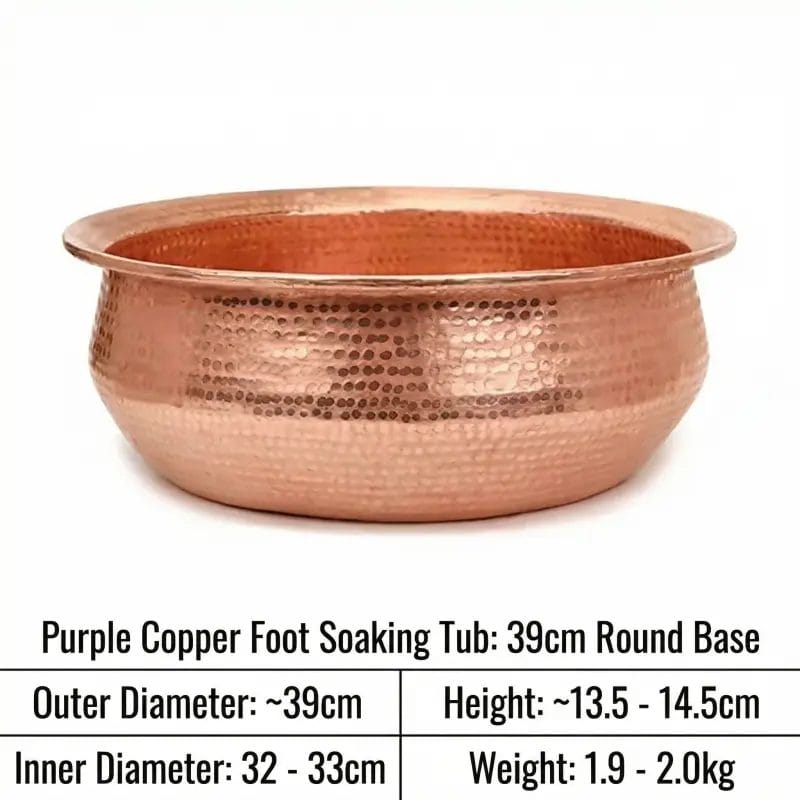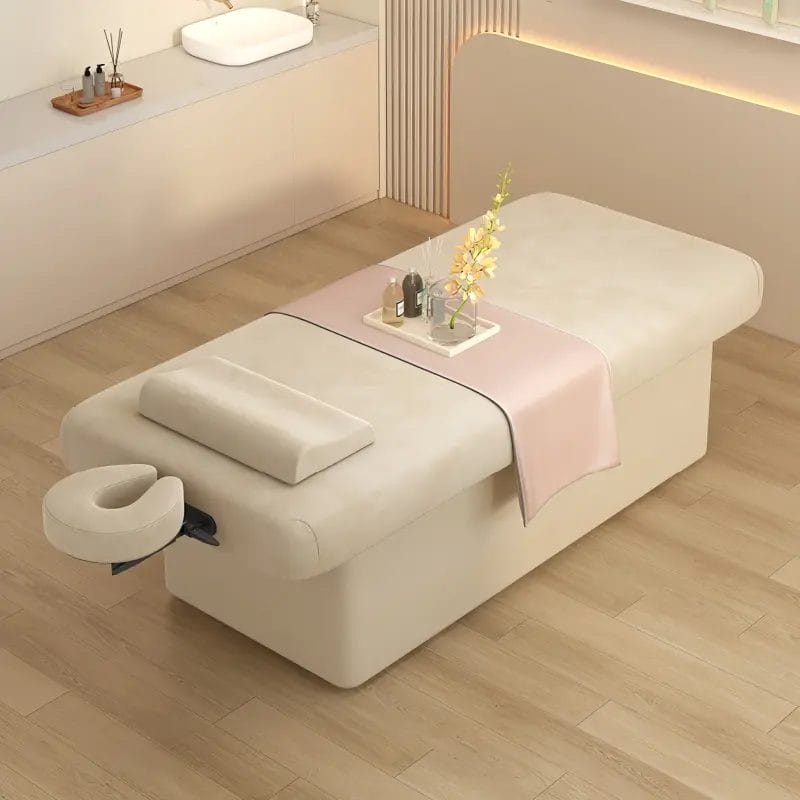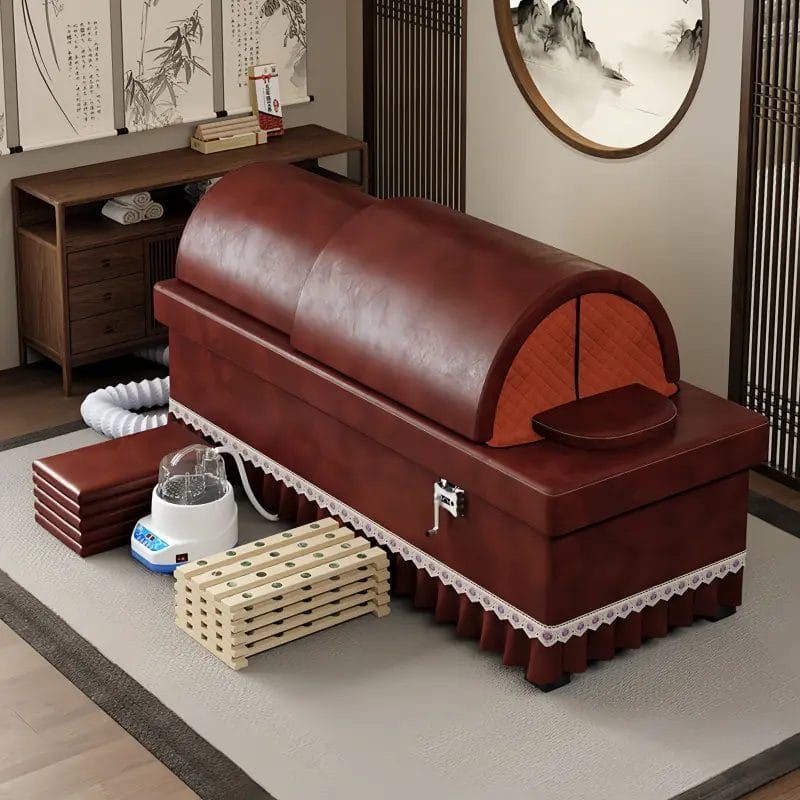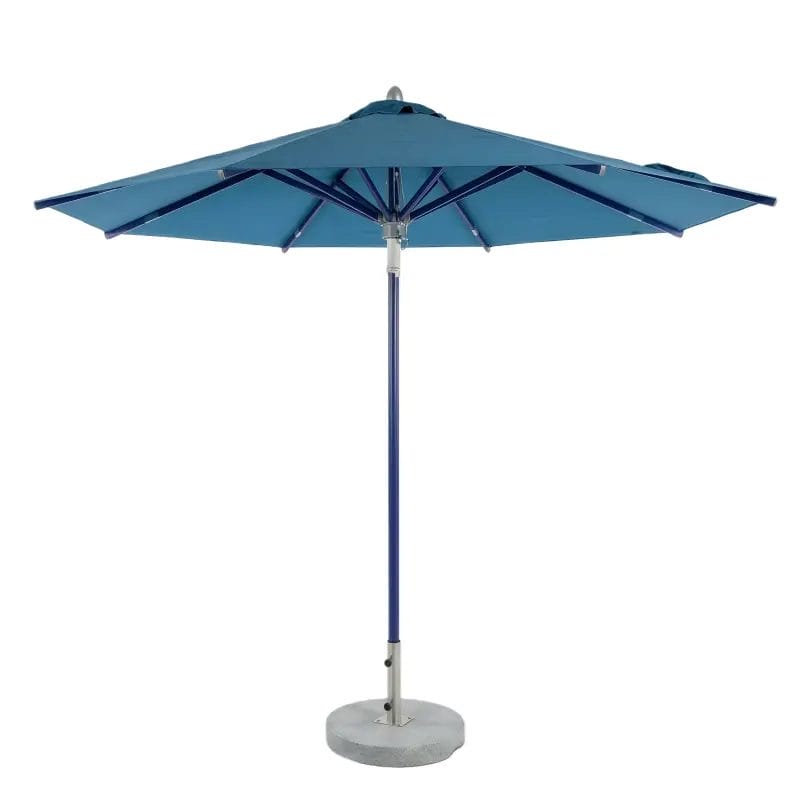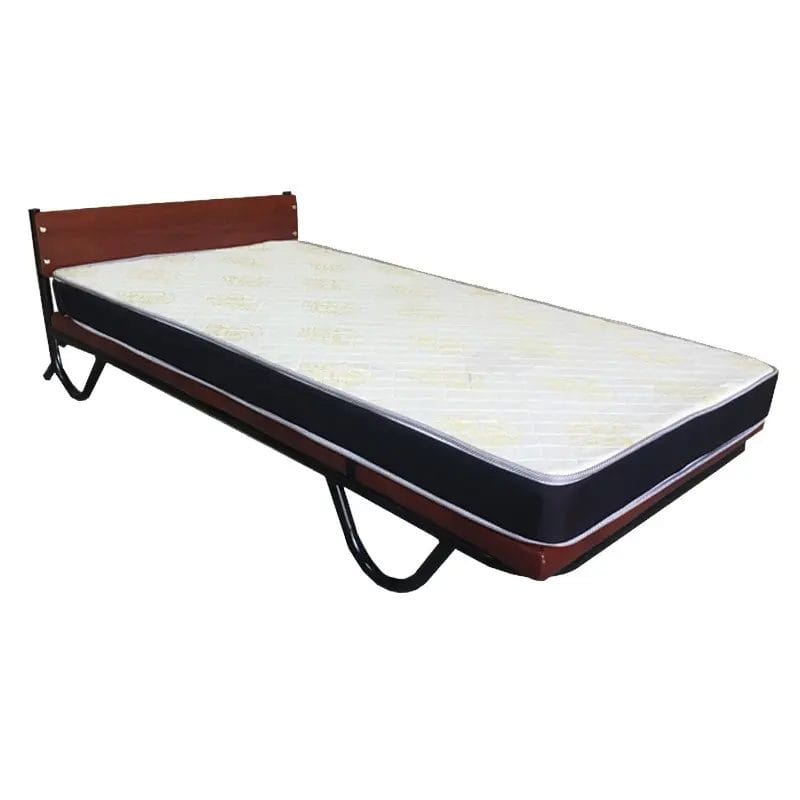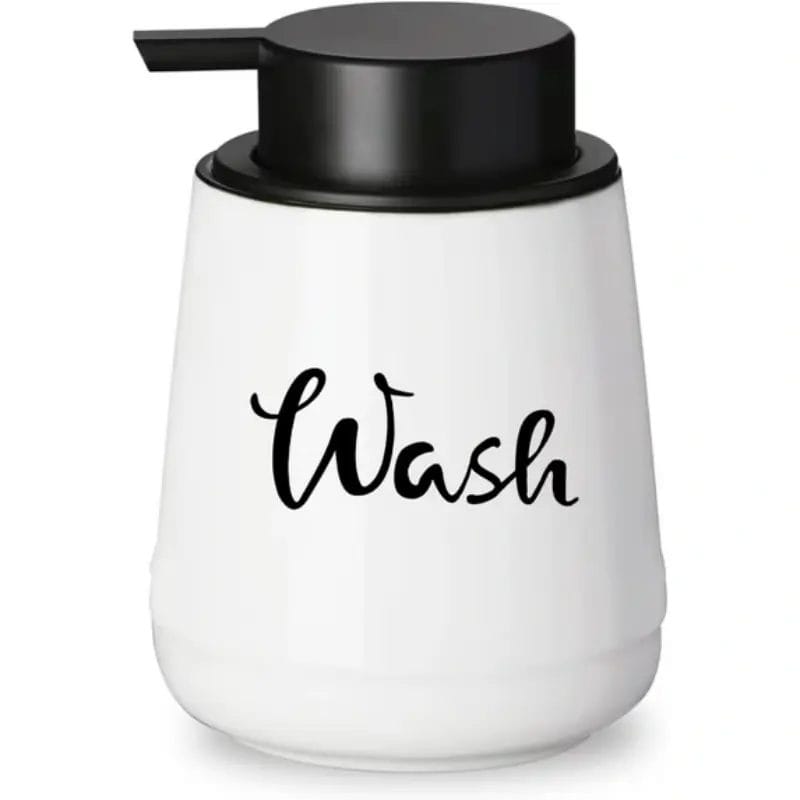
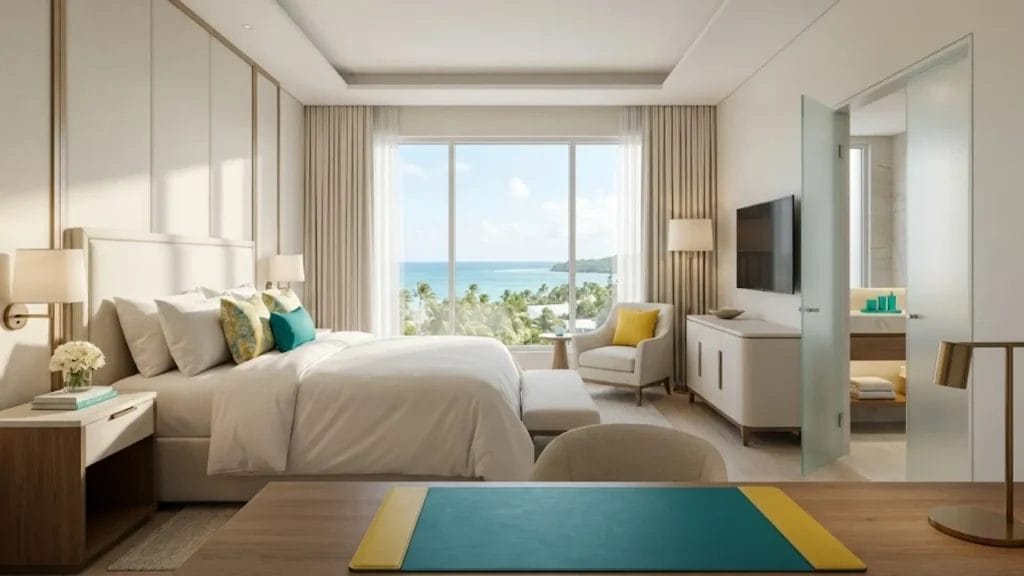
As we look toward Hotel FF&E trends 2026, guests increasingly crave “newness,” but full renovations can stretch budgets and shut rooms for months. and shut rooms for months. In 2026, a pragmatic alternative is micro-refurbishment: hold 80% of the room in timeless tones (Pantone 11-4201 Cloud Dancer) and refresh the remaining 20% with high-impact accessories in trend colors like Transformative Teal and Celestial Yellow. The result is a faster aesthetic lift and the potential for better Resort renovation ROI, without the disruption of a gut remodel.
Key takeaways
-
Use the 80/20 Color Rule: keep base finishes timeless (Cloud Dancer) and rotate accents via small components (leather sets, resin accessories, outdoor cushions) to maintain freshness.
-
Directional comparison for 2026: full renovations deliver comprehensive change but require major capex and downtime; micro-refurbishment delivers visual impact quickly with lower investment.
-
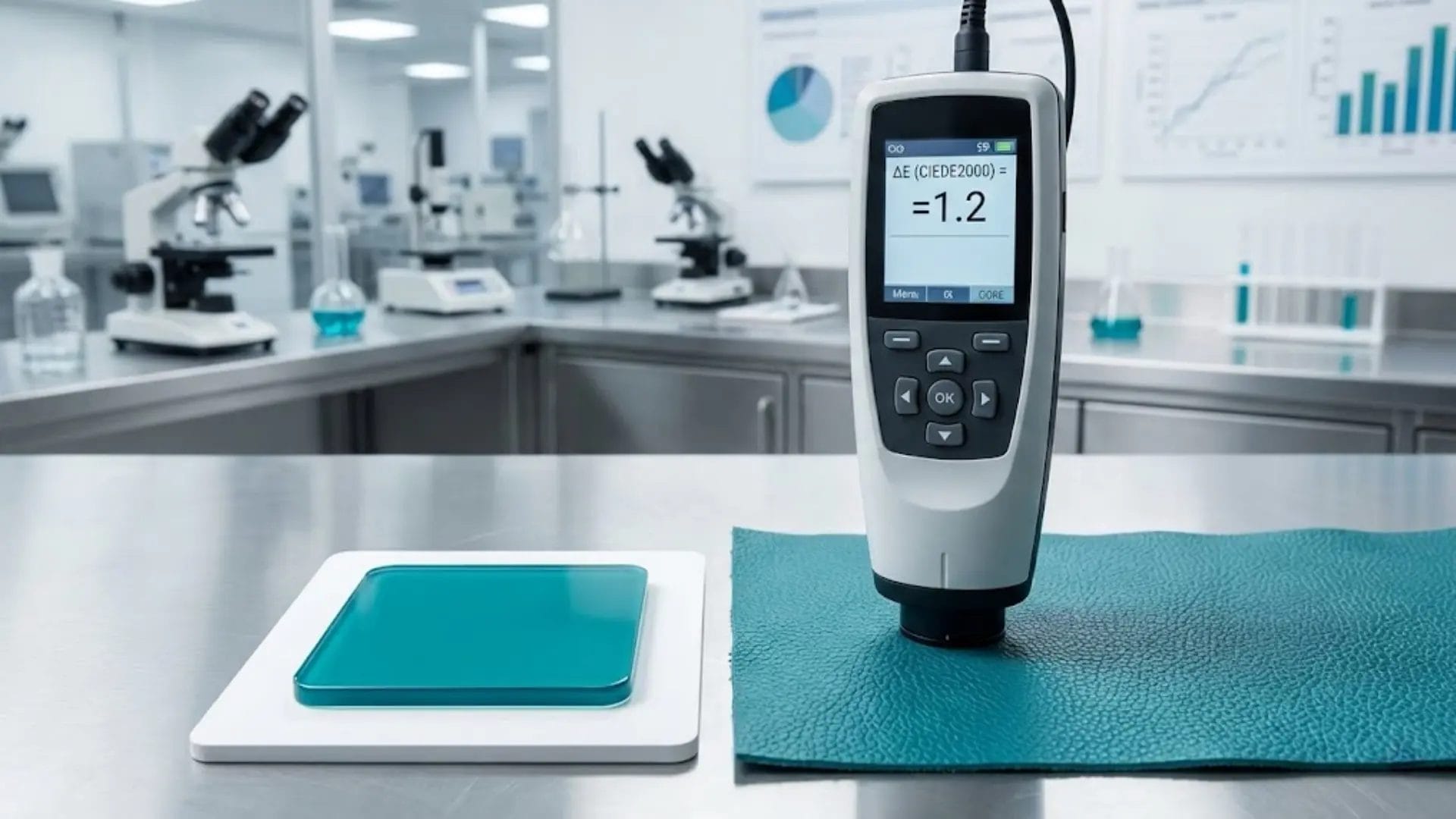
Color consistency matters: target ΔE (CIEDE2000) ≤ 2 for visible match across materials; validate with light-booth checks and production samples.
-
Feasibility from China-based sourcing: indicative lead times 7–30 days depending on category; MOQs vary by component. Label all ranges “Indicative as of Jan 2026” and confirm via quotes.
-
Social appeal is real but hard to quantify: expect directional lifts in guest Instagram tags with photogenic accents, contingent on marketing activation. A/B test and track locally.
Why the 80/20 Color Rule works for resorts
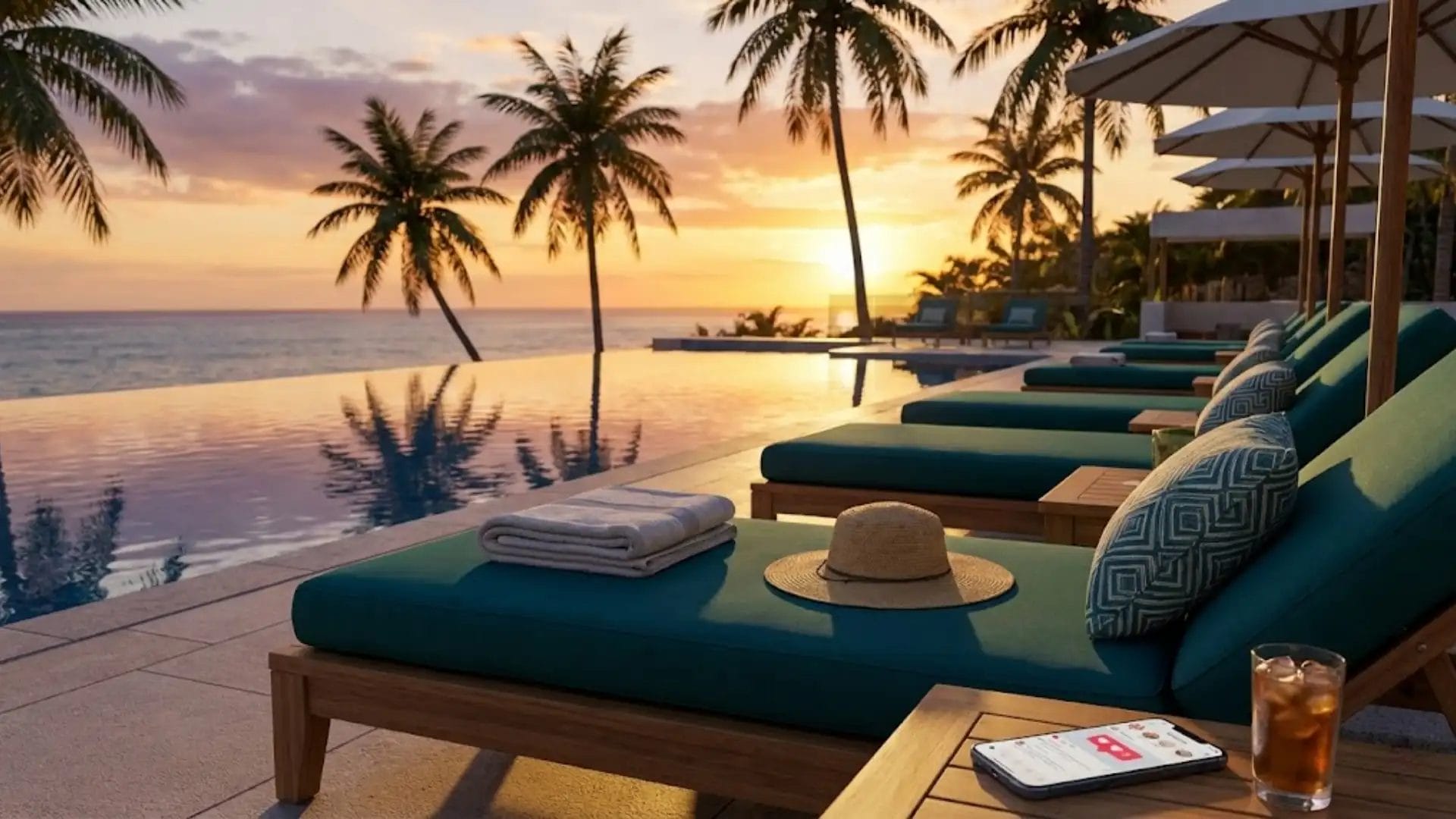
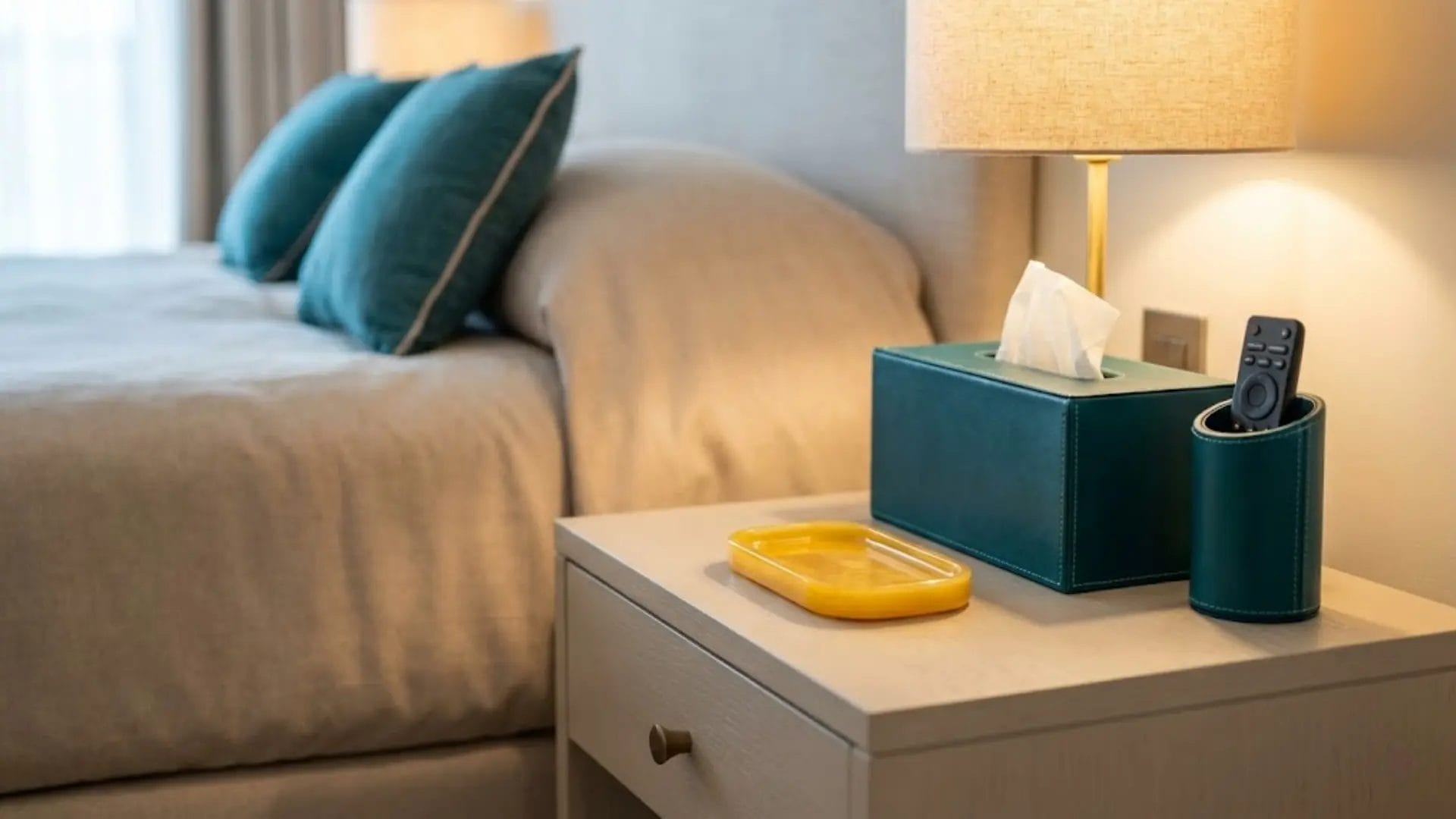
Think of Cloud Dancer as the calm, airy canvas that frames your space. When you layer in up to 20% of the room with accent components—guestroom leather trays and folders, bathroom resin accessory sets, terrace cushions—you can swap colorways each season without touching walls, floors, or case goods. That keeps capex modest, downtime minimal, and your brand standards intact.
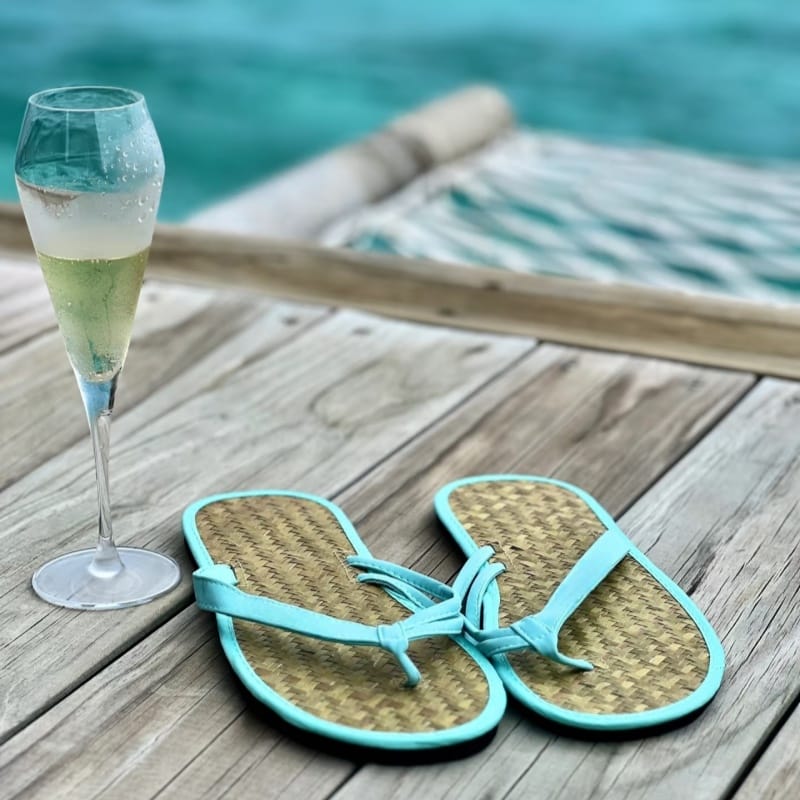
From a perception standpoint, small, color-forward items tend to appear in guest photos: bedside vignettes, vanity setups, and terrace lounges. That’s where Transformative Teal or Celestial Yellow accents can make rooms feel “new” even when the core FF&E remains timeless.
Full Renovation vs. DERBAL Micro-Refurbishment (2026)
All ranges below are indicative as of Jan 2026 and should be validated via vendor bids. When public data is limited, we use directional modeling and cite macro sources for context.
|
Dimension |
Full Renovation |
DERBAL Micro-Refurbishment |
|---|---|---|
|
Cost (CapEx per room) |
Directional: upscale/luxury $150,000–$500,000+ per room; context only from the HVS U.S. Hotel Development Cost Survey (2025) indicates medians of ~$167k–$409k for new development (not renovation). Actual renovation bids vary widely. |
Directional accessory refresh kits: ~$2,000–$8,000+ per room depending on scope (leather sets, resin accessories, outdoor cushions). Requires vendor quotes. |
|
Downtime |
Weeks to 3 months per room/floor in phased projects; total property timelines often 6–12+ months, according to practitioner notes and owner guides. |
Typically 1–5 days per room for component swaps; scheduling can occur during low-occupancy periods. Timeline varies by category and labor planning. |
|
Aesthetic Impact |
Comprehensive “newness,” including layout and systems changes; best for repositioning or brand-mandated PIPs. |
High visual impact via Cloud Dancer base with teal/yellow accents; best for quick refresh and social appeal without structural change. |
|
ROI/Payback |
Modeled payback often 2.5–4 years for successful projects, contingent on ADR/RevPAR lift and market conditions; macro context from the AHLA 2025 State of the Hotel Industry shows moderate RevPAR growth. |
Faster payback potential due to lower capex and minimal downtime; incremental ADR/RevPAR lift depends on perception, pricing, and marketing. Directional only; validate locally. |
Object-by-object capsules (structural parity)
Disclosure: DERBAL is our product. We present both options with parity and evidence notes.
Full Renovation
-
Specs: Structural and systems upgrades, re-layout possibilities, comprehensive FF&E replacement, new finishes and lighting packages.
-
Pros: Deep transformation, ability to reposition and reset pricing power; can address deferred maintenance and energy efficiency.
-
Constraints: High capex, extended downtime, higher execution risk; approvals and brand standards extend timelines.
-
Best for: Comprehensive repositioning, brand-mandated PIPs, properties with outdated systems or layouts.
-
Evidence: Market context from the AHLA 2025 SOTI points to steady but not explosive demand; ROI depends on local comps and revenue strategy.
DERBAL Micro-Refurbishment
-
Specs: Small-component customization: guestroom leather sets, bathroom resin accessories, outdoor cushions; Pantone-to-production color control targeting ΔE (CIEDE2000) ≤ 2; seasonal rotatability.
-
Pros: Lower capex and shorter downtime; color-forward visual impact; feasible to execute during occupancy with room blocks; alignment with trend palettes while keeping base finishes timeless.
-
Constraints: Does not change layouts or building systems; relies on supplier lead times/MOQs and disciplined color validation.
-
Best for: Fast ROI, limited operational disruption, social-media-forward properties, seasonal refresh programs.
-
Evidence: Color tolerance best practice via HunterLab’s tolerance primer and Intelgic’s ΔE guide; macro ROI context via AHLA 2025 SOTI.
Resort renovation ROI: modeling the upside and the guardrails
Here’s the deal: in a 63–64% occupancy and stable ADR environment (per AHLA 2025), ROI hinges on doing more with less. Full renovations can unlock meaningful ADR lift, but the payback window lengthens with higher capex and outages. Micro-refurbishment, by contrast, can lift perceived “newness” at a fraction of the cost, making ADR tests and packaged upsells viable without taking rooms offline for long.
Practically, run a local model with three inputs: capex per room, downtime in room-days, and ADR/RevPAR scenarios. Use conservative assumptions and compare breakeven timing across both paths. For procurement planning, see DERBAL’s FF&E checklist and FF&E/OS&E procurement explainer for workflow steps.
Procurement feasibility: DERBAL micro-components (indicative as of Jan 2026)
Hotel FF&E trends 2026 and Resort supplies China — practical parameters
All values below are directional ranges designed to make procurement conversations faster and more transparent. Confirm with current quotes.
|
Parameter |
Indicative Range (Jan 2026) |
Notes |
|---|---|---|
|
Color tolerance target |
ΔE (CIEDE2000) ≤ 2 |
Validate via light-booth and swatch approvals; set by viewing conditions. |
|
Leather sets (guestroom) |
Lead time ~15–30 days + transit; MOQ 50–200 sets |
Custom stitching/edge paint may extend timelines. |
|
Resin accessories (bathroom) |
Lead time ~7–15 business days; MOQ 20–50 units |
Accessory categories on DERBAL site reflect similar cycles. |
|
Outdoor cushions |
Lead time ~15–30 days; MOQ 50–200 units |
Fabric availability and fill options influence timing. |
|
Durability targets |
Martindale 40,000+ (guestroom); 60,000+ (restaurant); UV Grade 4–6+ |
Add mildew resistance (AATCC/ASTM) and hardware ASTM B117 benchmarks. |
|
Warranty norms |
1–3 years by category |
Outdoor fabrics often reference limited 3-year upholstery warranties. |
For examples of categories and project contexts, see DERBAL’s Guestroom supplies and Constructions & Furniture pages.
How to choose without second-guessing
-
Best for comprehensive repositioning: Full renovation. If you must change layouts, systems, or meet a brand PIP, a full renovation provides the canvas and the engineering to reset pricing power.
-
Best for fast ROI and low downtime: DERBAL micro-refurbishment. Use the 80/20 Color Rule: keep Cloud Dancer as your base, rotate trend-color accents via small components. Plan lead times/MOQs early and standardize color controls at ΔE ≤ 2.
-
Risk controls: pilot 10–20 rooms first; validate color under controlled lighting; schedule swaps during shoulder periods; build maintenance plans for outdoor cushions and hardware.
FAQs
Q:How do we ensure color matching consistency across leather, resin, and textiles?
Target ΔE (CIEDE2000) ≤ 2 as a procurement guideline for visible match. Pair instrument readings with light-booth visual checks under standardized lighting. Approve strike-offs and maintain swatch libraries.
Q:What are typical lead times and MOQs from China for custom small components?
Indicative as of Jan 2026: leather sets ~15–30 days production plus transit, MOQs 50–200; resin accessories ~7–15 business days, MOQs 20–50; outdoor cushions ~15–30 days, MOQs 50–200. Always confirm via current quotes and account for shipping buffers.
Q:Are trend-color materials durable enough for high-traffic resorts and outdoor use?
Specify Martindale 40,000+ (guestroom) and 60,000+ (restaurant), UV/lightfastness ISO 105-B02 Grade 4–6+, mildew resistance per AATCC/ASTM methods, and hardware with ASTM B117 corrosion benchmarks. Ask for warranties (typically 1–5 years) and care instructions.
Q:Will micro-refurbishment deliver measurable social impact and revenue lift?
It can, but results vary. Track with A/B room blocks, hashtags, and UTM links. Tie any ADR/RevPAR changes to your local comp set and campaigns; avoid over-attributing to design alone.
Ready to refresh your resort without the 6-month downtime?
Don’t let a full renovation drain your 2026 CapEx. [Book a Free 1-on-1 Micro-Refurbishment Strategy Session] with DERBAL’s experts today. Let’s map out your 80/20 color plan to maximize ROI while your rooms stay occupied.