Choosing a hotel amenities supplier isn’t a branding exercise. It’s an operations decision with two outcomes that matter: guest-facing consistency and zero surprises (late deliveries, compliance issues, quality drift, or hidden landed costs).
This guide is written for procurement teams who are already past the “should we upgrade amenities?” stage and are now trying to shortlist a supplier you can trust.
Key takeaways
- Treat amenities as OS&E: replenishment cadence, consistency, and fulfillment matter as much as design.
- Start with pass/fail gates (compliance, documentation, capacity), then score suppliers on value.
- The best supplier is rarely the lowest unit price—landed cost + defect risk + lead-time reliability wins.
- Use a structured pilot and contract KPIs so your “great samples” don’t become “average deliveries.”
Step 1: Define the amenity scope (so vendors quote apples-to-apples)
Most supplier problems start with a vague scope.
Before you collect quotes, define:
- Category scope: bathroom amenities, guestroom accessories, housekeeping consumables, refill programs, welcome kits.
- Property footprint: one hotel vs multi-property rollout (different warehousing and forecasting needs).
- Brand standards: artwork rules, labeling languages, fragrance policy, and in-room presentation.
- Operating model: do you need recurring replenishment, a pre-opening bulk buy, or both?


If you need a shortcut for scope-building, start from a Hotel Supply vendor catalogue page and mark what’s in/out. For DERBAL, the broadest starting point is the and their .
Pro Tip: If your hotel is implementing refillable dispensers, treat it as two sourcing events—(1) dispenser hardware + mounting/accessories, and (2) the bulk product + refill workflow. Don’t let a “nice bottle” distract from the replenishment reality.
Step 2: Set pass/fail gates first (this is where most suppliers get disqualified)
Decision-stage procurement should start with disqualifiers. If a supplier can’t clear these gates, you don’t need a long debate.
Gate A: Compliance + documentation discipline
Ask for documentation up front, before samples become emotionally “approved.”
Minimum asks:
- SDS / ingredient disclosures where applicable
- Batch/lot traceability expectations
- Country-specific labeling requirements for where you operate
- Quality management overview (how defects are prevented, not just fixed)
- Insurance documentation (product liability / general liability requirements vary by buyer)
If you’re building your compliance checklist, DERBAL’s own overview on is a useful internal reference for structuring questions.
Gate B: Quality control process you can audit
Procurement teams don’t need “we have strict QC.” You need how QC works.
Ask:
- Where are QC checkpoints (incoming materials, in-process, pre-shipment)?
- What is the defect handling workflow (containment → root cause → corrective action)?
- Will the supplier allow third-party inspection (and under what terms)?
Gate C: Lead time realism and recovery planning
A supplier’s quoted lead time is less important than their ability to:
- produce a backward schedule from your opening/renovation date
- show how they manage exceptions (raw material delays, customs holds, packaging rework)

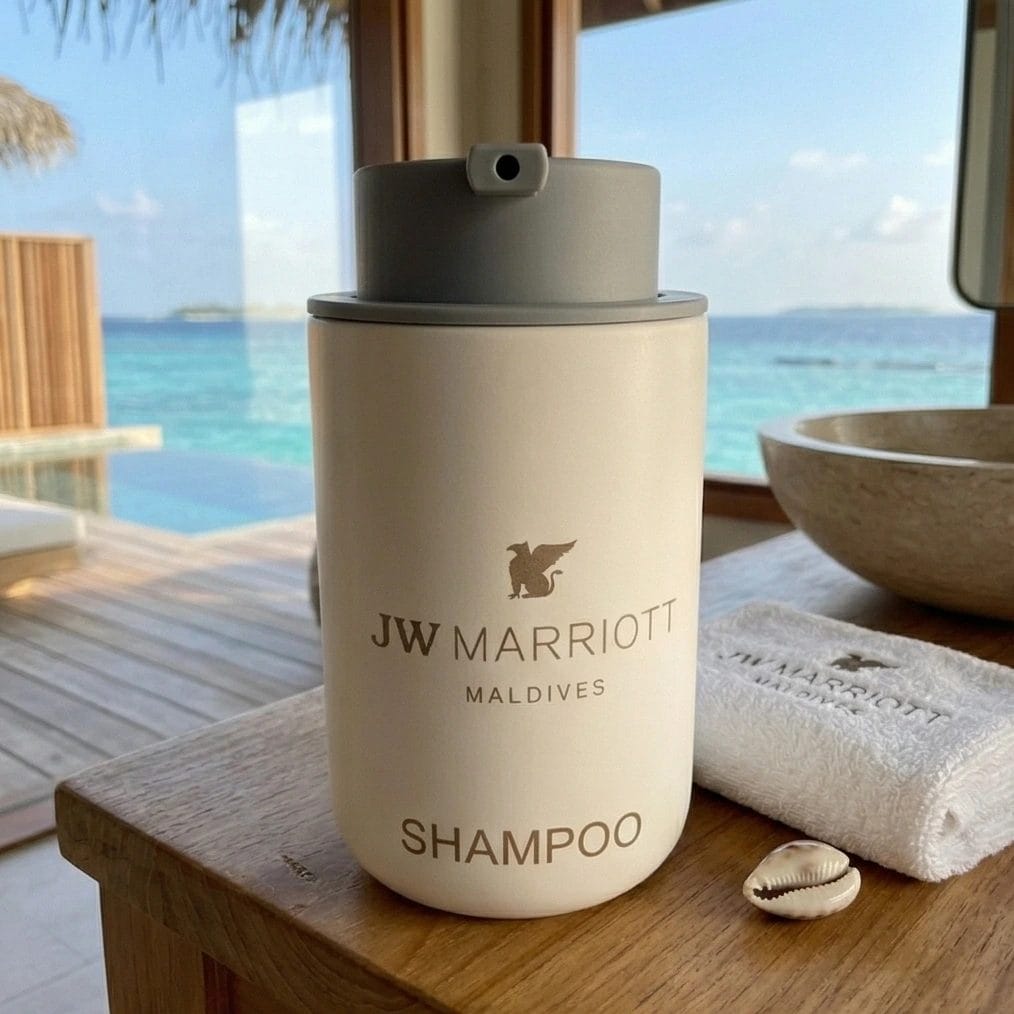
Hotel procurement timelines are unforgiving; working backward from opening and aligning manufacturing, shipping, warehousing, and installation windows is a core control method in FF&E/OS&E workstreams (see ).
Step 3: Use a weighted scorecard to choose the lowest-risk hotel amenities supplier
Once suppliers clear your gates, score them with a consistent rubric. Here’s a procurement-ready version you can copy into an RFP.
Suggested scoring (100 points)
This scorecard is designed for hotel amenities procurement teams who need a defensible shortlist.
- Quality & consistency (25 pts)
- sample quality, tolerance consistency, packaging durability, defect controls
- Compliance & risk (20 pts)
- documentation, auditability, labeling/ingredient transparency, insurance readiness
- Lead time reliability (15 pts)
- realistic lead times, on-time-in-full track record, recovery plan
- Landed cost transparency (15 pts)
- incoterms clarity, duty/freight assumptions, warehousing/storage costs
- Sustainability claims you can verify (10 pts)
- recycled/biodegradable packaging options, refill programs, evidence not slogans
- Customization + change control (10 pts)
- private label workflow, artwork proofs, MOQ logic, revision turnaround
- Account support + SLAs (5 pts)
- response times, escalation paths, issue resolution ownership
Key Takeaway: If the supplier can’t clearly explain landed cost assumptions, you’re not comparing quotes—you’re comparing marketing.
Step 4: Ask the supplier questions that reveal execution risk (not just capability)
These are the questions that separate “can make it” from “can deliver it reliably.”
Quality questions
- What are the top 3 defects you see in this category—and how do you prevent them?
- What’s your standard for “acceptable variation” on print color, cap fit, and fill volume?
- How do you handle a defect discovered after goods are in rooms?
Compliance questions
- Which compliance docs do you provide by default for this category?
- How do you manage ingredient / material changes (change notification + re-approval)?
Lead time + logistics questions
- What is the longest step in the chain (production, curing, printing, shipping, customs)?
- Can you support staged deliveries by floor / phase / property?
- Do you offer consolidation or warehousing? If yes, what are the receiving and dispatch cutoffs?
Commercial questions (the “hidden costs” section)
- What’s included vs excluded (tooling, molds, artwork setup, proof revisions)?
- What are the payment terms and how do they change by volume?
- How do you define and charge for “rush” orders?
Step 5: Run a pilot (your OS&E supplier evaluation), then contract for consistency
A pilot is not just “does the shampoo smell good.” It’s:
- housekeeping workflow compatibility
- dispenser leakage / pump failure rate (if applicable)
- packaging damage rates in transit
- reorder cadence, fill rate, and communication quality
If you need a structured supplier onboarding model, you can borrow from broader hotel supplier qualification practices: documentation screening → samples → site visit/audit → multi-property pilot. InnLead’s summary of chain-level supplier readiness is a useful reference point (see ).
Contract what you care about:
- On-time-in-full (OTIF) definition
- defect thresholds and replacement SLAs
- change control rules (ingredients/materials/artwork)
- escalation path and time-to-response
Derbal Main Supply
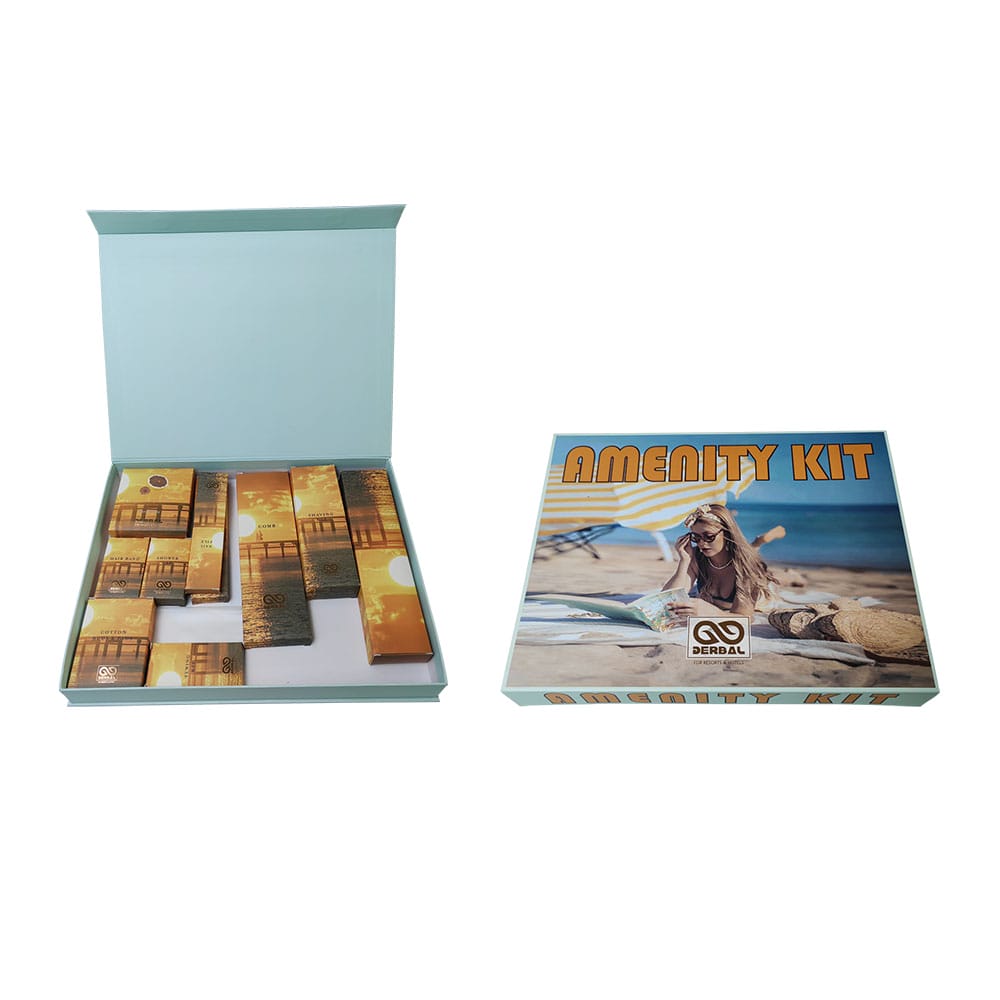
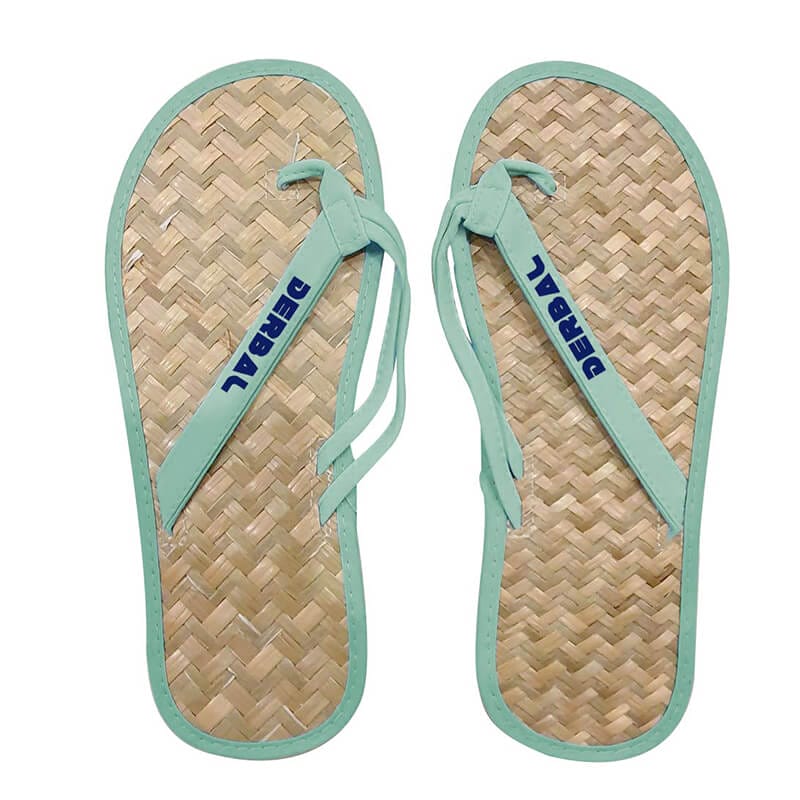
| Hotel Amenity | Hotel Bedding&Linen | Hotel Slippers | Hotel Furnitures | Swimming Pool Tiles |
 |
 |
 |
 |
 |
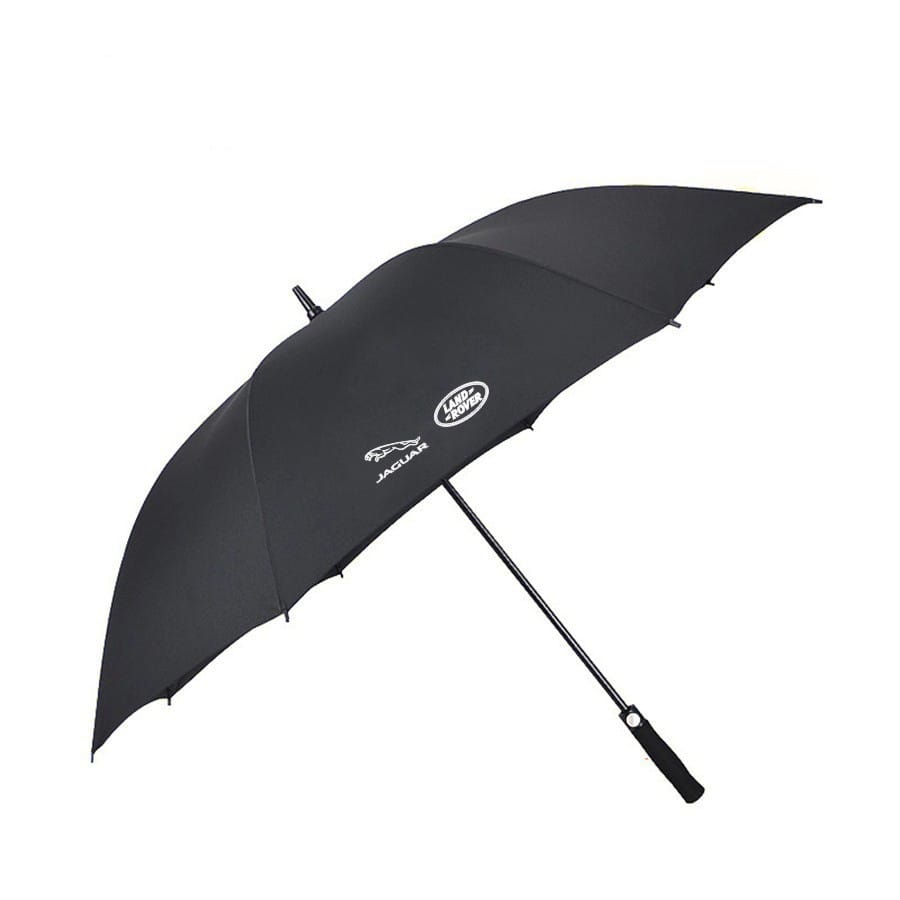
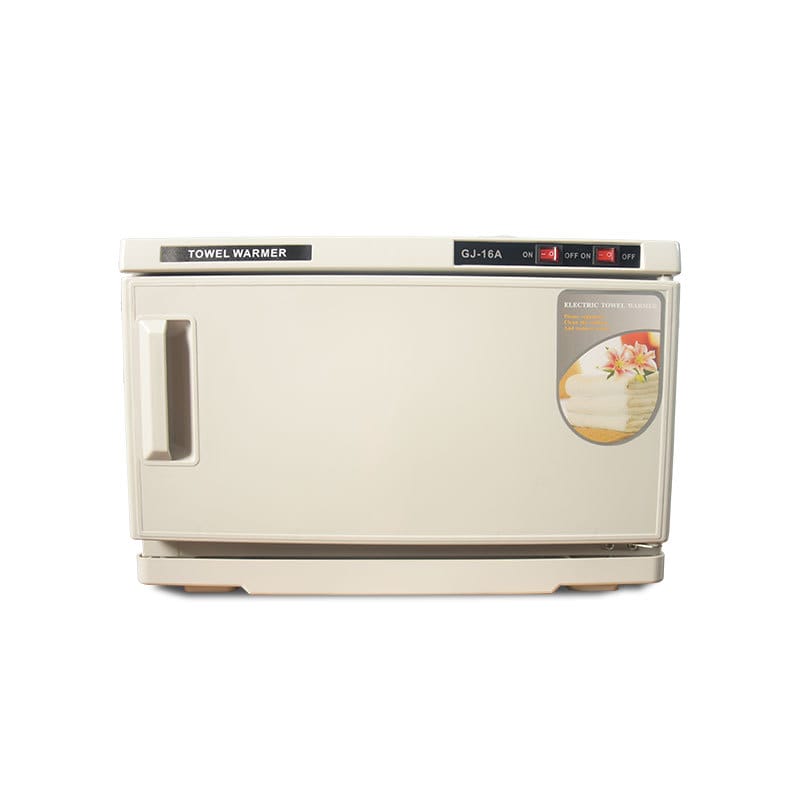
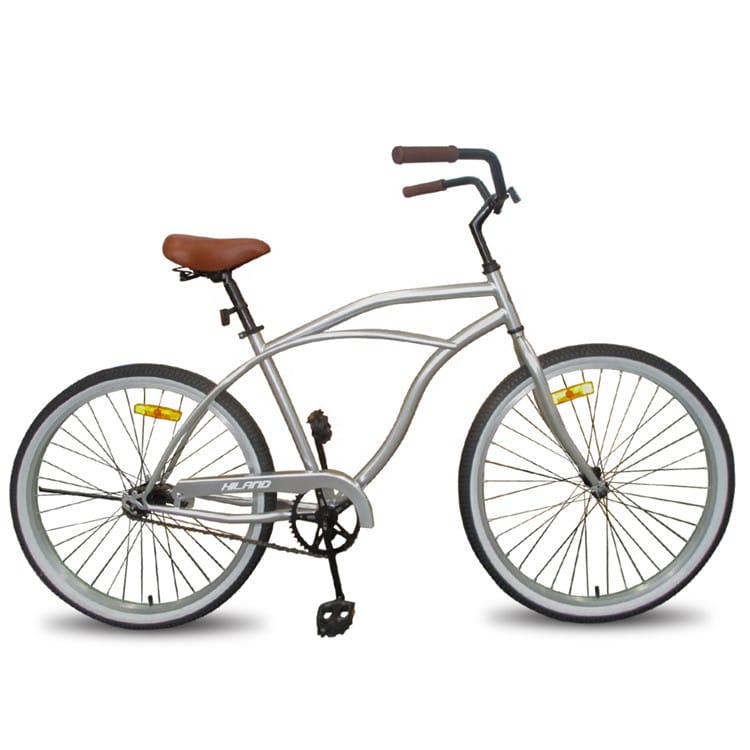
| Hotel Cloths Hanger | Hotel Luggage Rack | Hotel Umbrella | Hotel Appliances | Hotel Cruiser Bike |
 |
 |
 |
 |
 |
Where DERBAL can fit (without forcing it)
If you’re shortlisting one-stop suppliers for OS&E/FF&E coverage, it’s worth reviewing the scope and categories a vendor can support—then asking the same gate + scorecard questions above.
A reasonable starting point is the and the background in , then validating fit through samples, documentation, and a pilot.
FAQ
Is it risky to use a single hotel amenities supplier?
It can be—single-supplier models concentrate risk. The mitigation isn’t “avoid one-stop suppliers,” it’s contracting for performance, requiring auditability, and maintaining a contingency plan for high-risk SKUs.
What’s the difference between OS&E and FF&E—and why does it matter for amenities?
Amenities behave like OS&E because they’re replenishment-driven and operationally sensitive. If you want a clear baseline definition, FOHLIO’s overview of is a good reference.
What should I include in a hotel amenities RFP checklist?
Scope (SKUs + usage volumes), compliance documentation requirements, sampling process, lead time model, landed cost assumptions, sustainability requirements, and service levels (OTIF, defect SLAs, escalation).
Next steps
If you want, share your current amenities list (or a past PO export) and your opening/renovation timeline. We can turn it into:
- a one-page supplier scorecard
- an RFQ sheet that forces landed-cost transparency
- a shortlist workflow with pilot KPIs
If you’re evaluating DERBAL specifically, request a spec sheet and quote through the DERBAL site so procurement can compare like-for-like against other bids.