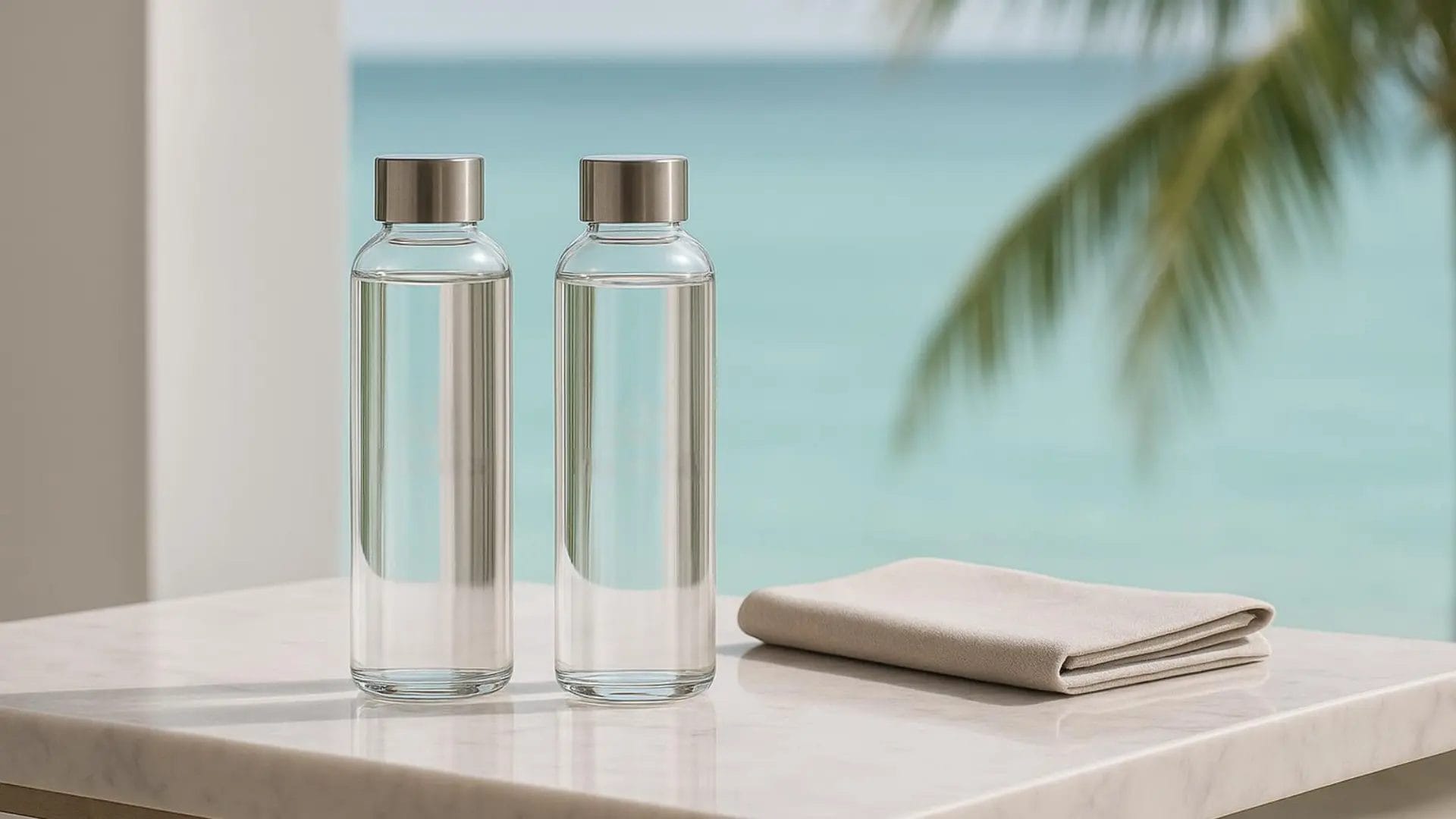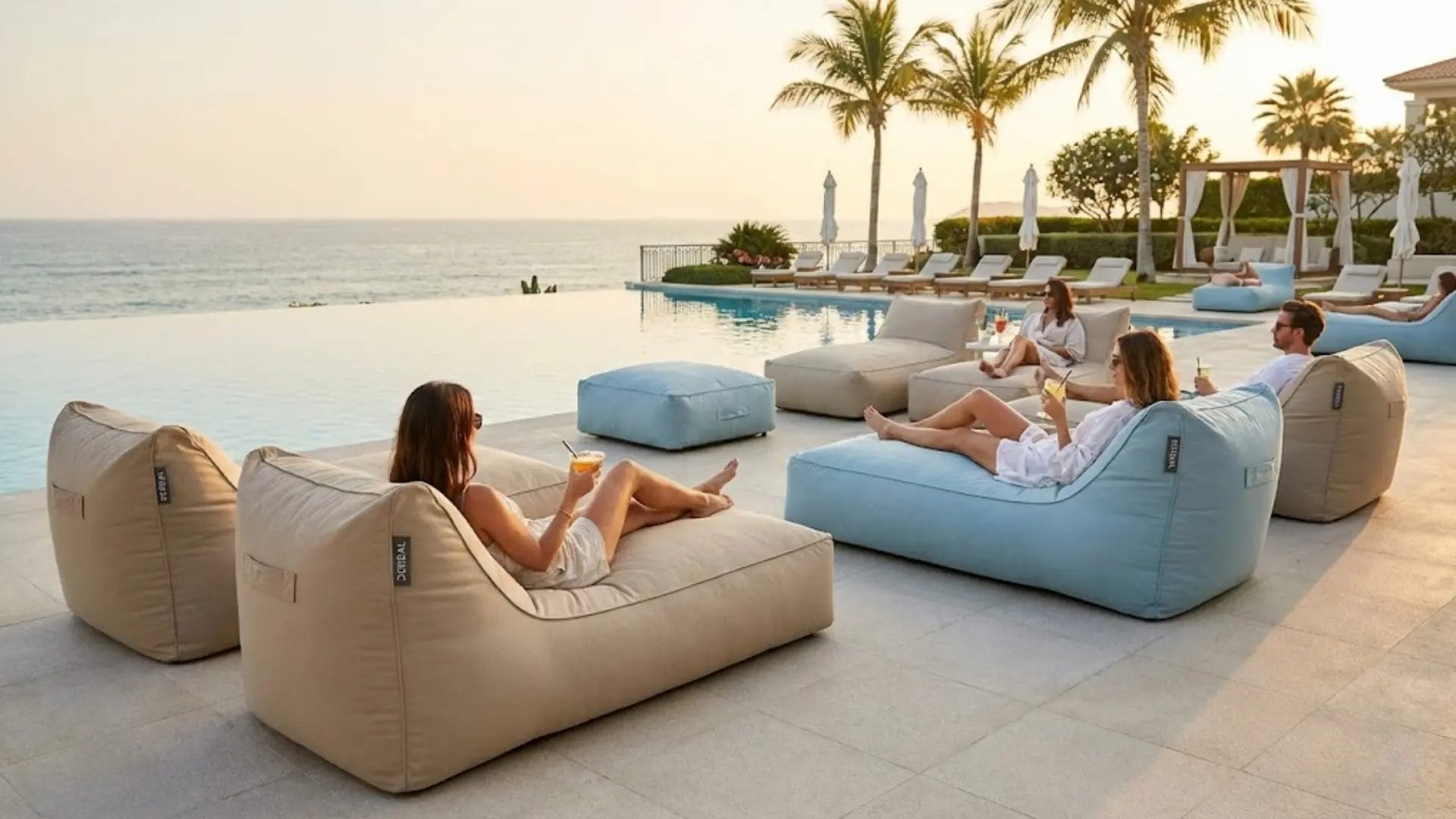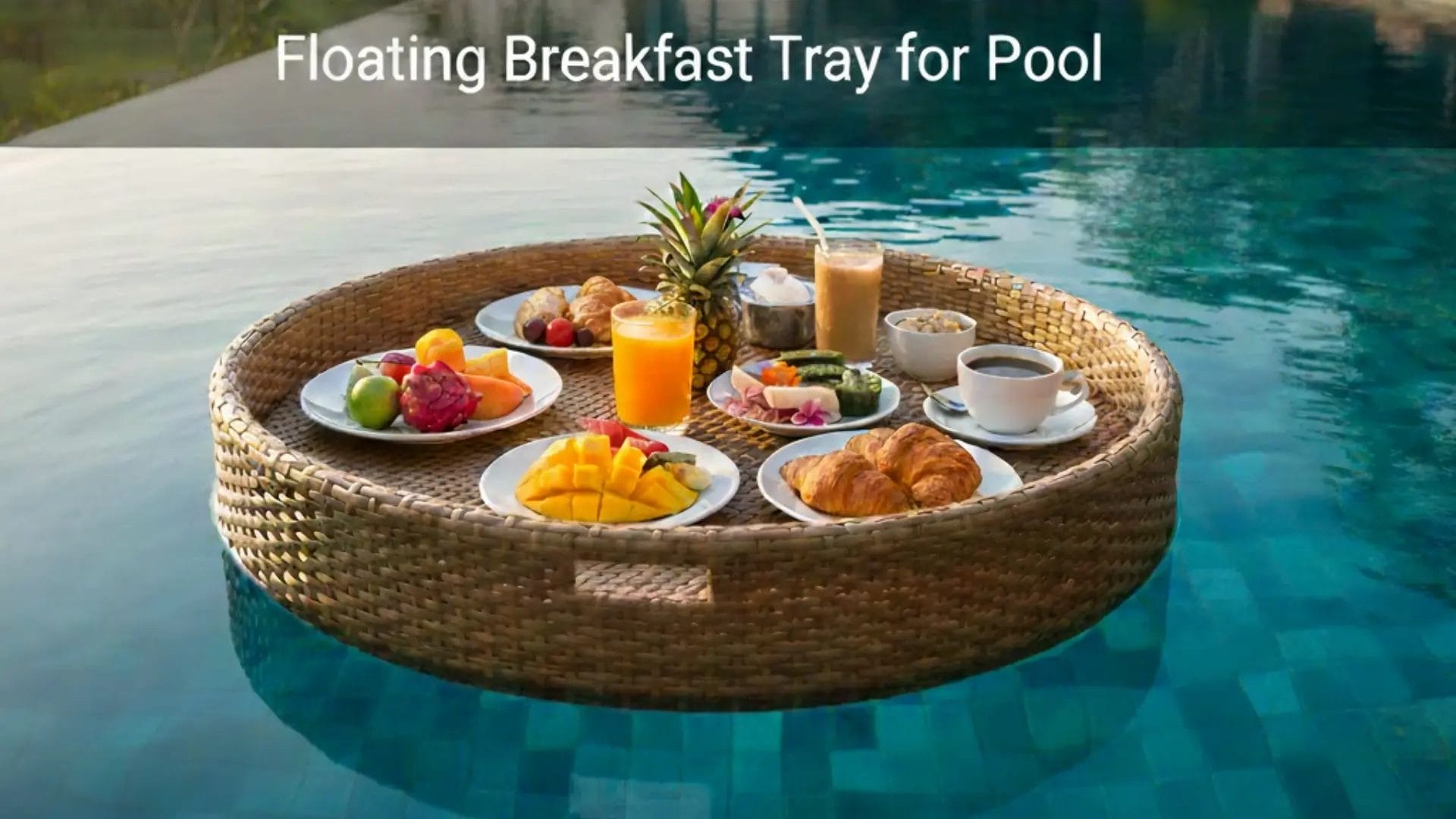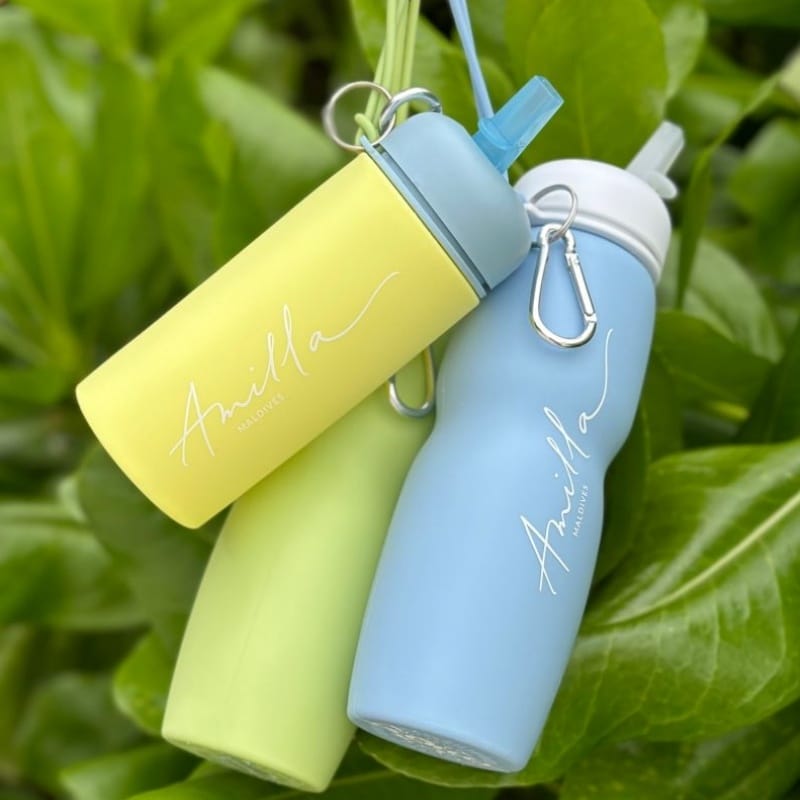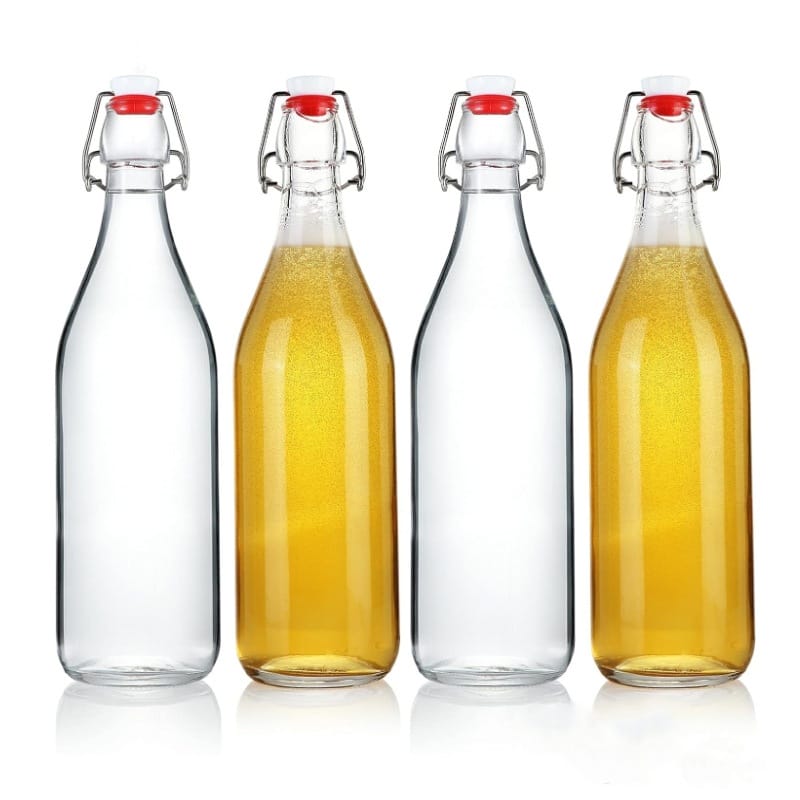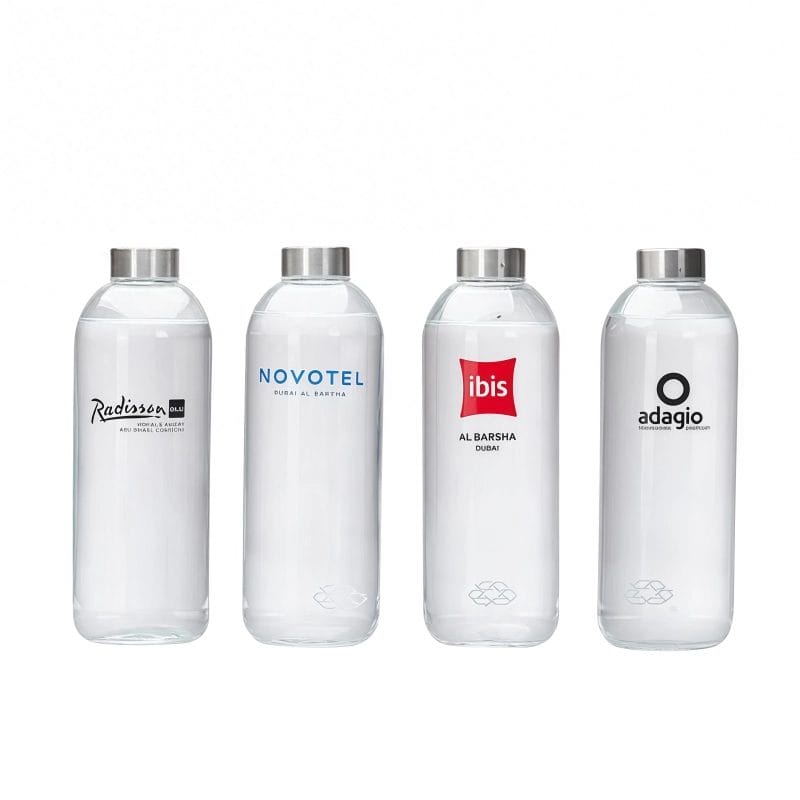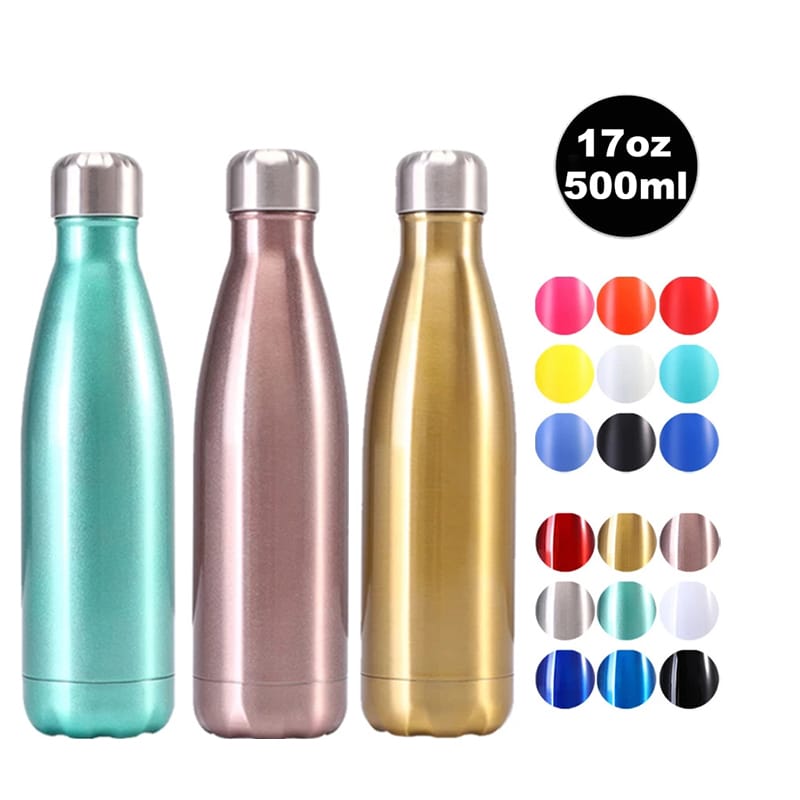
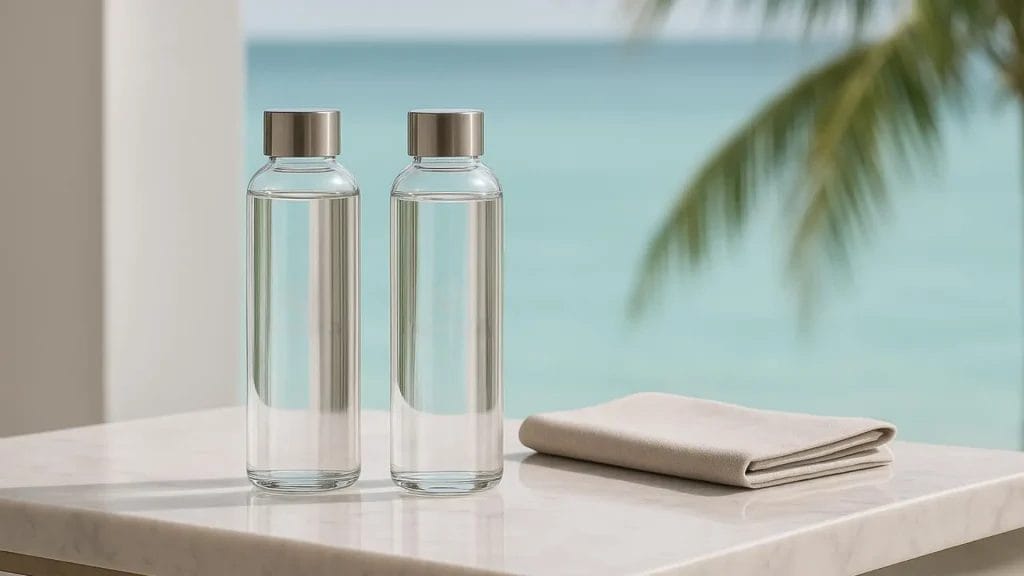
In 2026, the hospitality world’s shift away from plastic isn’t just a compliance checkbox—it’s a design decision guests can feel. In suites, lounges, and meeting rooms, custom glass water bottles signal care, taste, and a cohesive brand story. When those bottles carry your mark—subtly etched or elegantly printed—they stop being mere containers. They become a premium touchpoint: a photographable moment, a signature detail, and a consistent, taste‑neutral service standard across the property.
Branded glass water bottles serve three goals at once: elevate the guest experience, reinforce your on‑property identity, and deliver durable performance in high‑traffic operations. When paired with refill programs, they also help you move credibly beyond single‑use plastic.
Key takeaways
-
Glass bottles are a brand asset: a consistent, premium touchpoint guests notice and share.
-
Engraving reads upscale and withstands high‑wash cycles; printing can be durable with the right inks and testing.
-
High borosilicate glass and 304 stainless caps are built for commercial dishwashers and daily service.
-
Refillable programs align with sustainability frameworks and help eliminate single‑use plastic.

The Visual Impact of ”Custom Glass Water Bottles”: Engraving vs. Print
A custom engraved glass water bottle creates a permanent, frosted mark by modifying the glass surface itself. In luxury settings, engraving tends to read more premium because it feels integrated—no sheen, no edges, no risk of peeling. Laser OEMs emphasize that engraving results in a dishwasher‑safe mark when processed correctly, helping branding stay crisp wash after wash.
By contrast, screen, UV, or pad printing applies ink onto glass. With proper surface preparation (e.g., flame treatment), ink selection, post‑curing, and verification through adhesion and dishwasher‑cycle tests, prints can achieve excellent durability. Industrial decorators recommend formal tests (e.g., crosshatch adhesion and 100+ dishwasher cycles) before approval; see process overviews from Inkcups on printing/adhesion testing for glass.
The takeaway for luxury hotels: choose engraving for a timeless, high‑wash solution with a built‑in premium look; choose qualified printing when you need color or complex graphics, but require documented durability testing before rollout. Either way, the result should feel intentional—an on‑property identity that travels from guestrooms to banquets without aesthetic drift.
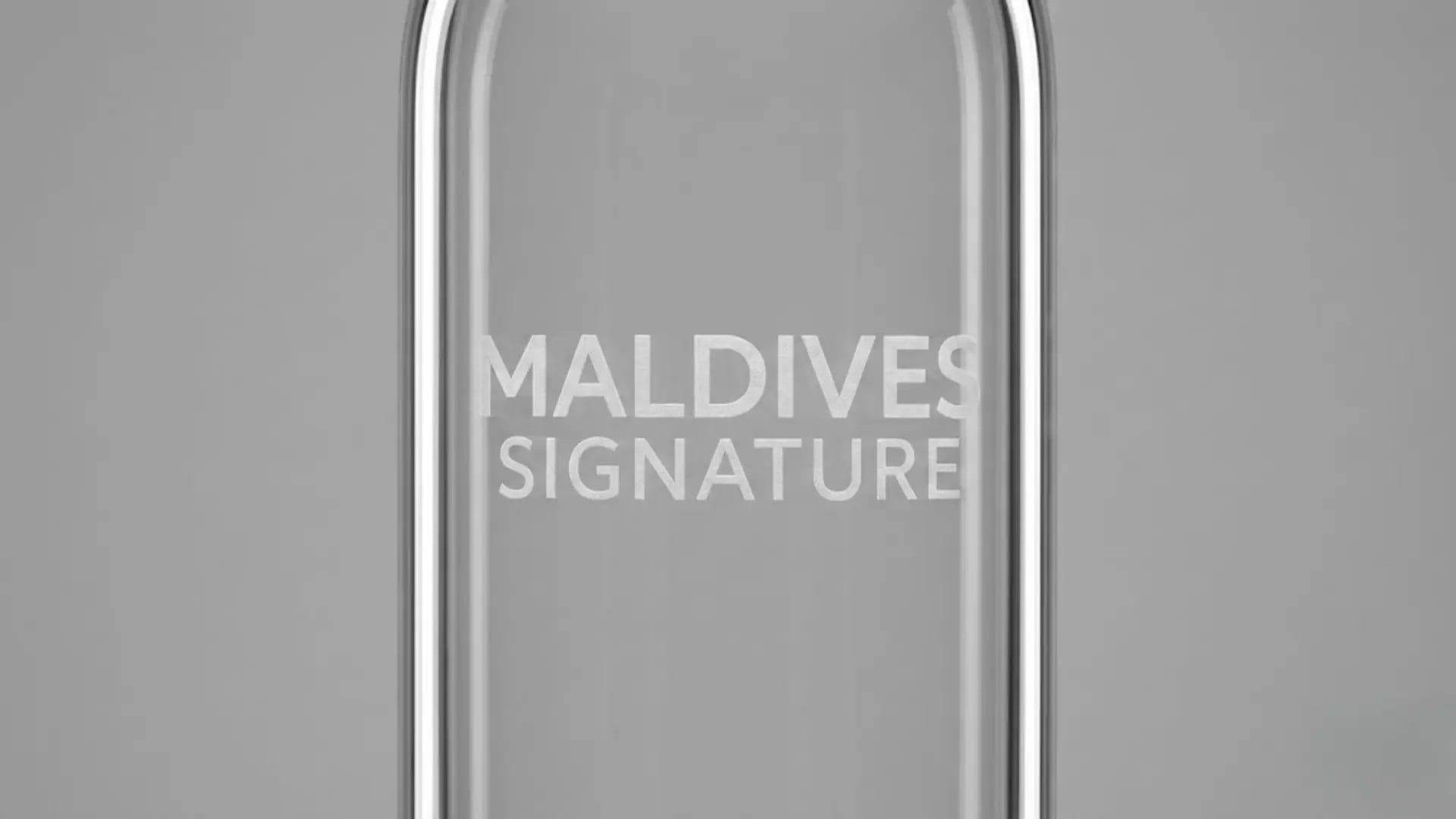
Comparison of Logo Branding Technologies for Hotel Glassware
| Branding Method | Visual Effect | Durability (Dishwasher Safe) | Best Application |
| Laser Engraving | Premium frosted look, sophisticated and subtle. | Permanent (5 Stars). Integrated into the glass surface. | Luxury & minimalist resorts. |
| Silk Screen Printing | Vibrant colors with a smooth, tactile finish. | High (4 Stars). Using specialized high-temp inks. | Chain hotels & meeting rooms. |
| UV Printing | Full-color gradients and 3D embossed texture. | Standard (3 Stars). Vibrant but sensitive to extreme heat. | Boutique hotels & limited editions. |
| High-Temp Decal | Rich, detailed texture with high gloss. | Permanent (5 Stars). Fired at 600°C for total fusion. | Long-term high-traffic hospitality. |
The “Maldives Signature”: branded glass water bottles for meeting rooms
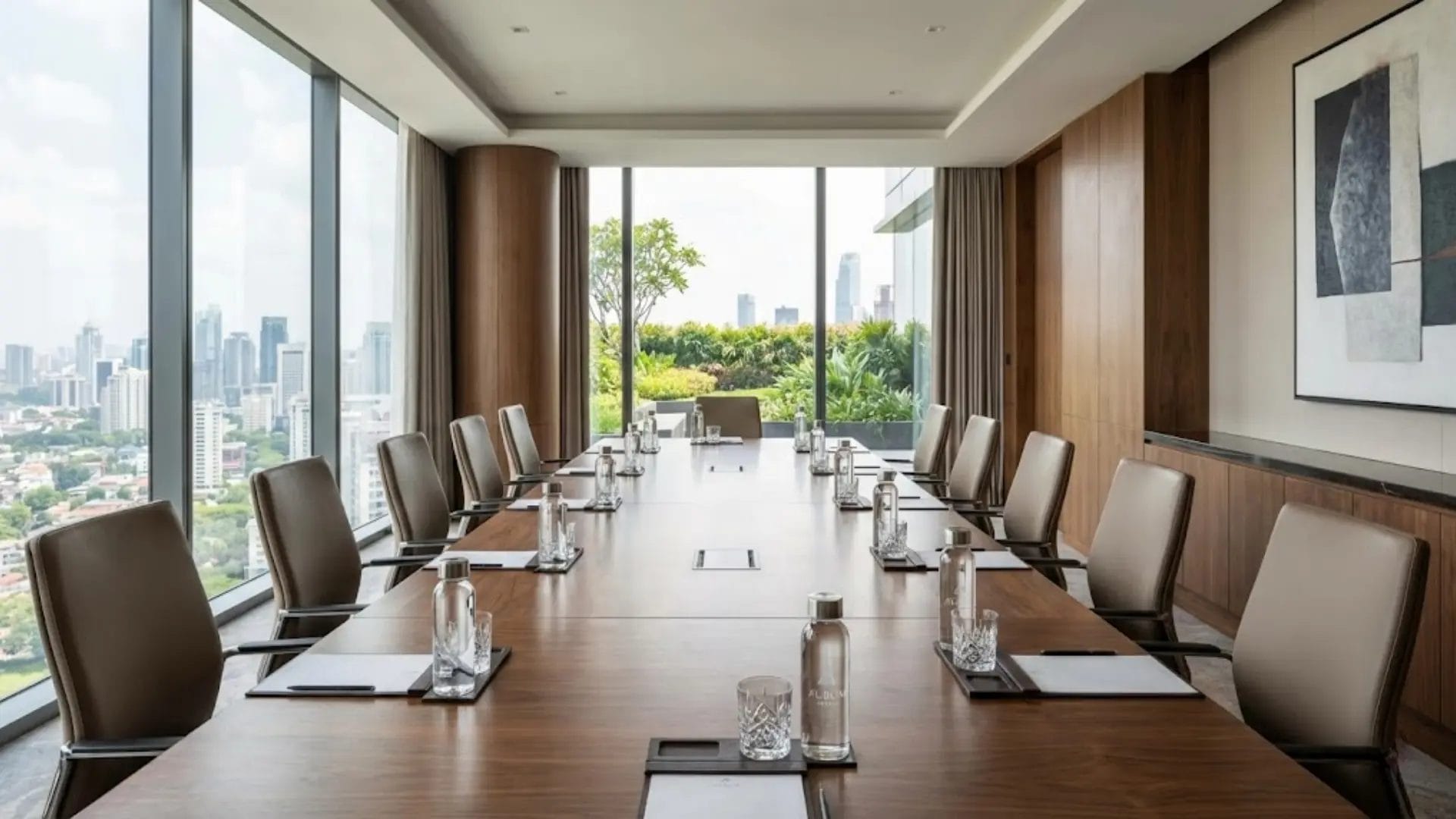
Picture an anonymized luxury island resort standardizing hydration with branded glass water bottles in guestrooms and meeting rooms. The resort pairs bottles with discreet refill stations and a simple SOP: bottles are washed, sanitized, and re‑set per shift, with branding aligned to the property’s visual language.
Illustrative outcomes (metrics are example‑style for storytelling): after launch, the brand observes approximately +25% more Instagram shares referencing in‑room details and hydration moments, +12% higher meeting satisfaction scores (citing professional presentation and reduced clutter), and an 18‑month payback versus disposable‑bottle purchasing due to lower ongoing consumable costs.
Disclosure: Metrics above are illustrative for narrative purposes; confirm performance through your own data.
For programs like this, a neutral, hospitality‑grade product matters. DERBAL’s Hotel Glass Water Bottle program is an example of how operations and branding meet; see the Hotel Glass Water Bottle product page for reference. In meeting spaces, standardized sets of branded glass water bottles for meeting rooms help planners perceive consistency and elevate the room’s finish, while quietly removing single‑use plastic from the table.
Engineering for high‑traffic environments
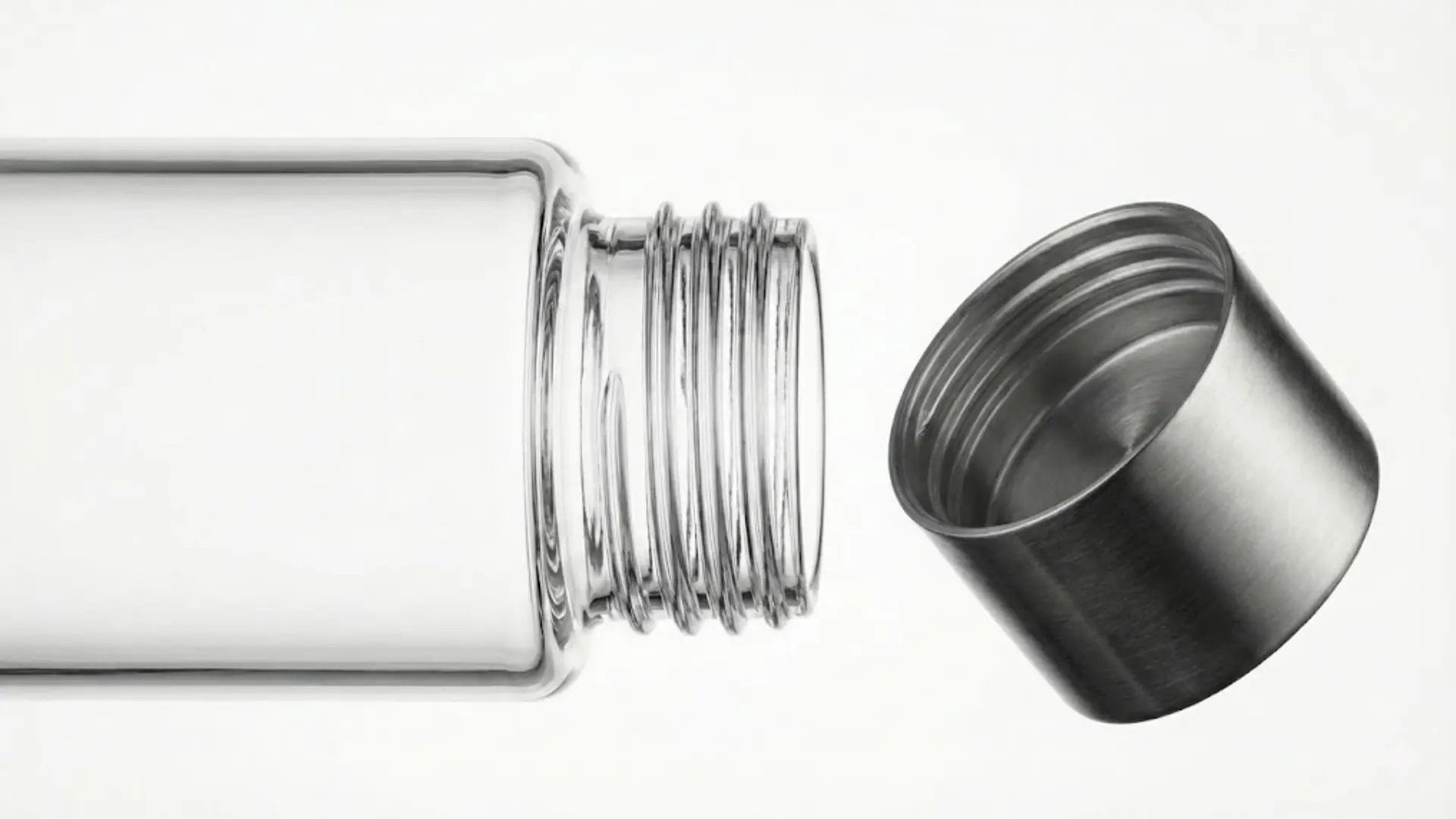
Luxury service is unforgiving on materials: bottles must survive real dishwasher cycles, handling, and re‑sets. High borosilicate glass (e.g., the 3.3 family) is widely recognized for thermal stability and chemical durability. Manufacturer technical pages describe high resistance to temperature fluctuations and continuous service well beyond warewashing conditions; SCHOTT notes borosilicate’s low thermal expansion and heat resistance on their DURAN technical details.
In day‑to‑day hotel operations, commercial dishwasher standards sit far below borosilicate’s comfort zone. NSF/ANSI guidance puts typical final‑rinse temperatures around 180°F (82°C) for many machines, with wash cycles in the 150–165°F (66–74°C) range—see the NSF dishwasher certification summary. Practically speaking, breakage risk tends to arise from mechanical shocks or extreme temperature jumps (e.g., from ice bath to hot rinse) rather than peak dishwasher temps; good SOPs and handling minimize that.
Caps and closures should be food‑contact suitable. 304 stainless steel is commonly used in potable‑water hardware thanks to corrosion resistance and hygiene when properly manufactured. Many 304 components qualify under NSF/ANSI/CAN 61 listings for potable water systems, underscoring suitability in contact scenarios; buyers should verify supplier documentation for the specific cap assembly.
Operationally, specify annealed borosilicate bottles with well‑fitted 304 caps and define your dishwasher test protocol (cycle counts, inspection criteria) in the PO. If you review product options, reference the supplier’s product page specifications and request sample runs to validate wash performance before standardizing. For sourcing at scale, align your RFP language with procurement realities—request quotes for bulk glass water bottles wholesale and require each glass water bottle manufacturer to provide material composition, dishwasher performance validation, and cap assembly compliance documents.
The sustainability statement
Refillable glass programs are a credible step beyond plastic and align with industry guidance to eliminate single‑use water bottles across guestrooms, restaurants, and events. The Sustainable Hospitality Alliance urges members to eradicate single‑use plastics and adopt refillable amenities; see their practical tips and case examples in the Alliance’s plastics reduction guidance.
For properties pursuing LEED v4.1, a well‑documented refillable hydration program can support waste‑reduction performance (O+M pathways) and responsible purchasing of ongoing consumables. Some teams also explore Innovation credits for comprehensive single‑use elimination programs. Always confirm credit paths with a LEED AP and align metering, SOPs, and verification to your certification route.
FAQ
Q: Can we customize logos on both the bottle and the cap?
A: Yes. Sidewall branding (engraving or qualified printing) and laser engraving on 304 stainless caps are both feasible, subject to supplier capability and your chosen aesthetic.
Q: Is it safe for industrial dishwashers?
A: Yes—when bottles are made of high borosilicate glass with properly engineered 304 stainless caps and tested to your cycle protocol. Typical commercial rinse temperatures (up to ~180°F/82°C) are within material comfort ranges; some programs validate up to 150°C heat resistance in process specifications.
Ready to upgrade your guest experience?
Send us your logo for a Free Digital Mock‑up today. Visit our Glass Bottle Collection for more designs.