
A dinner rush tells the story in heat and motion. The line hums, pans hiss, tickets stack, and the quarry tile glistens with a thin sheen of oil and water. For the people who keep service moving, each step carries weight—ten, sometimes twelve hours at a time. Investing in the best work shoes for standing all day isn’t a perk; it’s a quiet, strategic choice that protects dignity and improves results. When footwear supports the body and grips the floor, you see it in fewer callouts, steadier teams, and managers who can plan without bracing for the next replacement.
This guide speaks to F&B and Operations leaders who balance care with cost. We’ll connect frontline realities to standards-backed safety and a pragmatic 90-day pilot you can run across one kitchen or an entire portfolio—measured, transparent, and respectful of the work.
Key takeaways
-
Comfort and traction are acts of care—and prudent ways to stabilize teams in high-heat, long-shift environments.
-
Turnover is expensive; reducing fatigue and slips through better footwear can help you avoid even a handful of replacements and pay for the program.
-
Standards matter: request documented slip resistance (ASTM F2913 test method; ASTM F3445 performance specification) and track compliance.
-
Run a 90-day pilot with simple KPIs (turnover, compliance snapshots, near-miss slips) before scaling.
Beyond the Recipe: Recognizing the Physical Toll on Modern Culinary Professionals
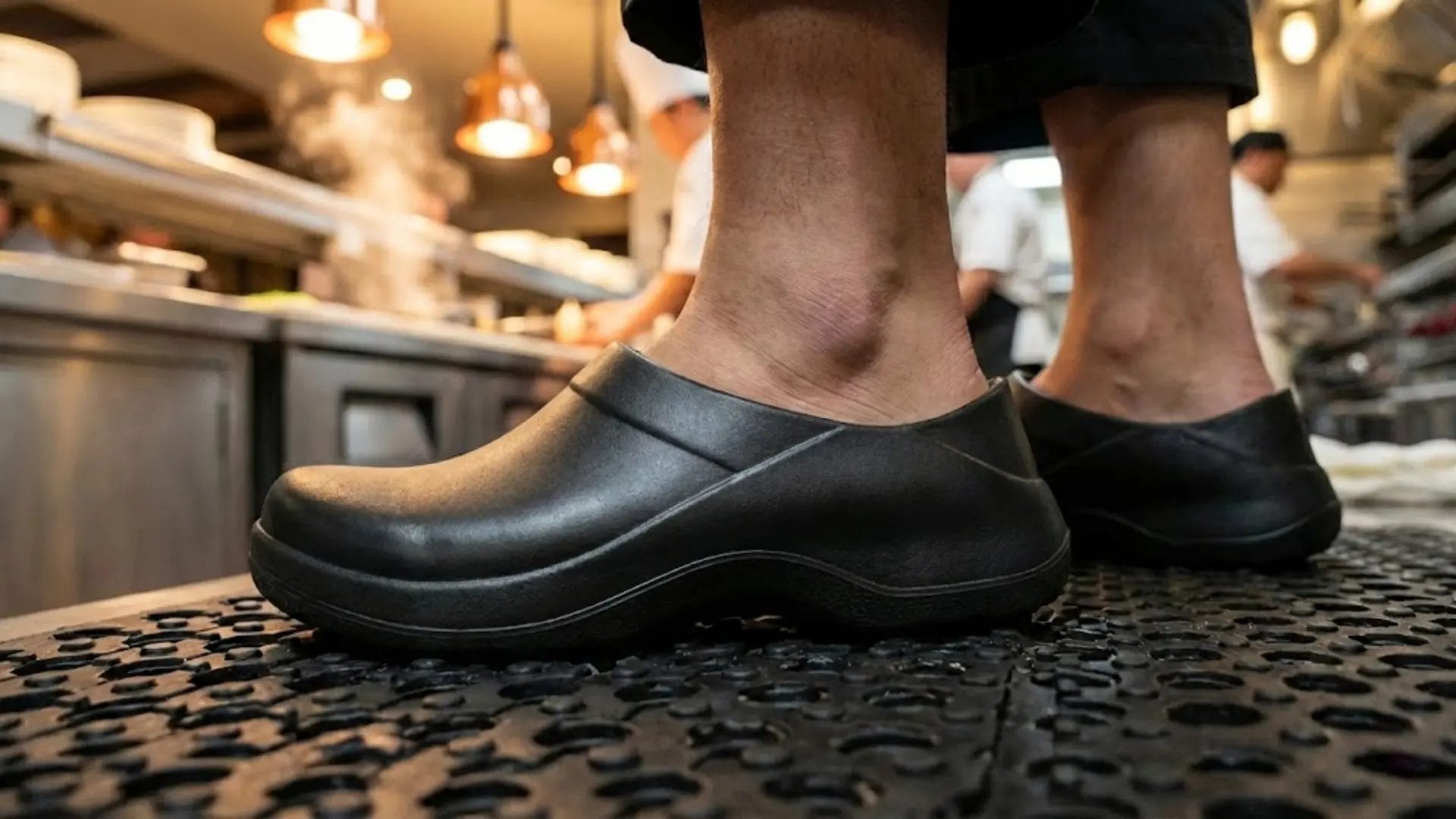
A modern back-of-house moves like a choreographed sprint. Heat lamps pool amber light, ovens exhale, fryers spit, and the air clings to the skin. Cooks pivot and brace, stepping across slick spots near the dish pit and expo pass. After hour eight, the ball of the foot throbs and the heel feels like it’s striking concrete. Breaks are brief. The body adjusts, then protests.
This is the daily context your teams carry—long-standing shifts, constant micro-accelerations, and repetitive pivots on hard floors. Dignity starts from the ground up. Footwear that absorbs shock, supports the arch, and holds traction on wet or oily tile doesn’t make the job easy. It makes it sustainable. When leadership recognizes that truth, culture improves in ways staff can feel by the end of service.
The ROI of Comfort: Why the Best Work Shoes for Standing All Day Reduce Staff Turnover
Turnover drains budgets and momentum. In restaurant and hospitality roles, industry reporting places the average hard replacement cost for an hourly employee in the low thousands per person. In 2024, one sector analysis pegged the average at $2,305 per hourly restaurant employee, covering separation, hiring, and training costs—figures that compound across properties and seasons, as reported by Black Box Intelligence (2024). Government labor data likewise shows leisure and hospitality among the highest for separations, underscoring how fragile staffing can be relative to other sectors per BLS JOLTS releases.
What does footwear have to do with that? Comfort isn’t a silver bullet, but it’s one of the few daily factors you can standardize. When you provide supportive, compliant shoes—across comfortable work shoes for women and comfortable work shoes men—fatigue often eases. Less fatigue can mean fewer mid-week callouts, steadier performance at peak, and a small but meaningful lift in retention. As an operations leader, you don’t need a miracle; you need a few avoided replacements per quarter to change your math. A stipend or bulk program that prevents even one backfill in a 30-person back-of-house can cover a significant portion of its cost. That’s how humanistic care becomes operational ROI.
Safety as a Standard: The Essential Role of Slip Resistant Shoes for Work
Slip resistance isn’t a marketing phrase. It’s a measurable property with well-established methods. In North America, the whole-shoe dynamic coefficient of friction is commonly measured using ASTM F2913, which defines how to test traction under dry, wet, and oily-wet conditions on representative flooring. Building on that, ASTM F3445 provides pass thresholds and labeling conventions, including SRO for oily-wet traction on clay quarry tile. SATRA, the UK research body whose method influenced F2913, explains how recent updates aim to improve consistency across labs, per SATRA’s bulletin on US updates.
Why it matters in kitchens: dinner service regularly creates the most challenging traction environment—water, oils, gravies, and cut produce underfoot. Evaluating non slip work shoes against these test methods is a practical way to separate genuine performance from vague claims.
There’s also program-level evidence. The U.S. National Institute for Occupational Safety and Health highlights research showing that a “no-cost to workers” slip-resistant footwear program in food service reduced slipping injuries—useful context for hospitality leaders designing interventions, according to NIOSH’s summary on falls. The UK’s safety regulator offers pragmatic procurement guidance and case studies that show improved outcomes when employers trial and select footwear systematically, as described in HSE’s footwear procurement advice.
Together, these sources suggest a simple approach: choose verified slip resistant shoes for work, validate compliance up front, and track wear and replacement schedules so performance doesn’t quietly fade.
Engineering Respect: What Makes Professional Kitchen Work Shoes Different?
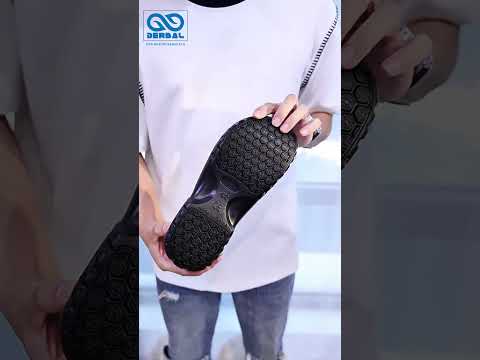
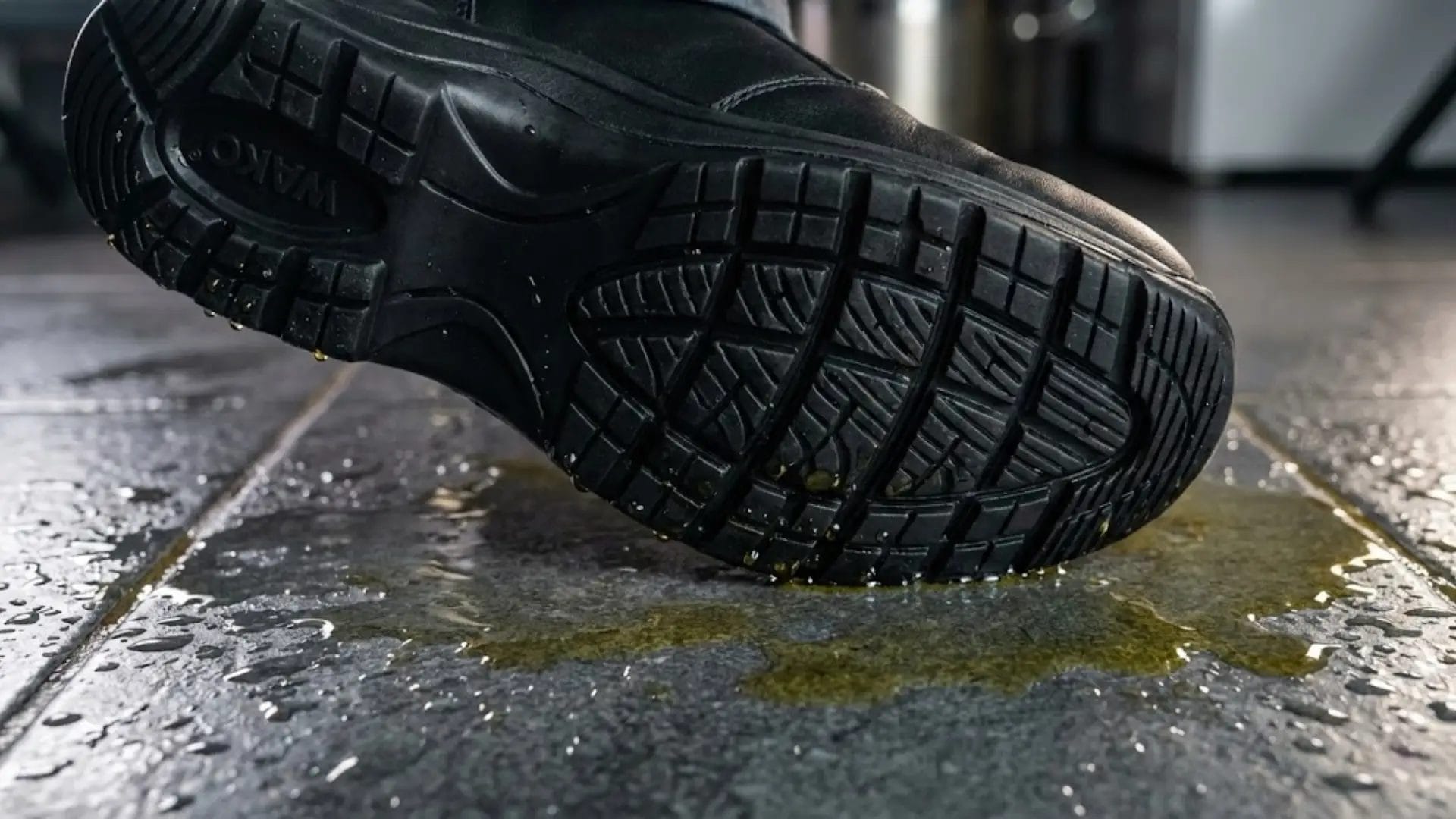
Professional kitchen work shoes translate engineering into care. A supportive footbed and defined arch support help distribute load so cooks aren’t absorbing the full shock of every landing on unforgiving tile. Cushioning and energy-return midsoles blunt the constant impact of short, quick steps and reduce the jarring feel you notice when the rush finally slows. Outsole compounds are formulated to maintain grip in wet and oily conditions, and close-packed tread patterns channel contaminants away from contact points. The goal isn’t luxury—it’s endurance. When a shoe keeps its traction after months of heat and grease, when the heel still feels steady after eight hours, that’s respect for the shift.
A Practical Procurement Playbook: Pilot, Measure, Improve
A footwear program should be simple, testable, and fair. Here’s a pragmatic way to start small, learn, and scale.
-
Define scope and criteria. Select one kitchen or a small cluster. Require documented slip resistance using ASTM F2913 testing and performance compliance per F3445 (request heel and forepart values across dry, wet, and oily-wet). Specify comfort features: arch support, cushioning, and fatigue-oriented midsoles in a wide size range for inclusive fit.
-
Fit, train, and baseline. Host on-site try-ons. Swap worn footwear. Share care and inspection guidance. Capture 90 days of pre-pilot data: BOH turnover, fatigue-related callouts, slip near-misses, and first-aid-level slip incidents.
-
Run the 90-day pilot. Verify weekly that footwear is being worn and safeguarded areas (mats, floor care) are in place. Encourage near-miss reporting—awareness often rises before incidents fall.
-
Review and decide. Compare to baseline. If you prevent even one replacement in the period, that alone may offset much of the program cost. Tweak selection, size range, or training. Scale in phases.
|
KPI |
Type |
Definition |
Target over 90 days |
Data source |
|---|---|---|---|---|
|
Footwear compliance snapshot |
Leading |
% of weekly checks confirming staff are wearing approved shoes |
≥95% |
Weekly audit checklist |
|
Near-miss slip reports per 100 FTE |
Leading |
Reported near-miss slips, normalized by staffing |
Upward in month 1 (awareness), then stable |
Digital reporting app |
|
Corrective action closure time |
Leading |
Median days to fix identified slip hazards |
≤14 days |
Issue tracker/CMMS |
|
First-aid slip incidents |
Lagging |
Non-recordable slip events in kitchen zones |
Down vs. baseline |
Incident log |
|
BOH turnover rate |
Lagging |
% back-of-house separations in period |
Down vs. prior 90 days |
HRIS |
|
Fatigue-related callouts |
Lagging |
Sick/callouts tagged as fatigue-related |
Down vs. baseline |
Scheduling system |
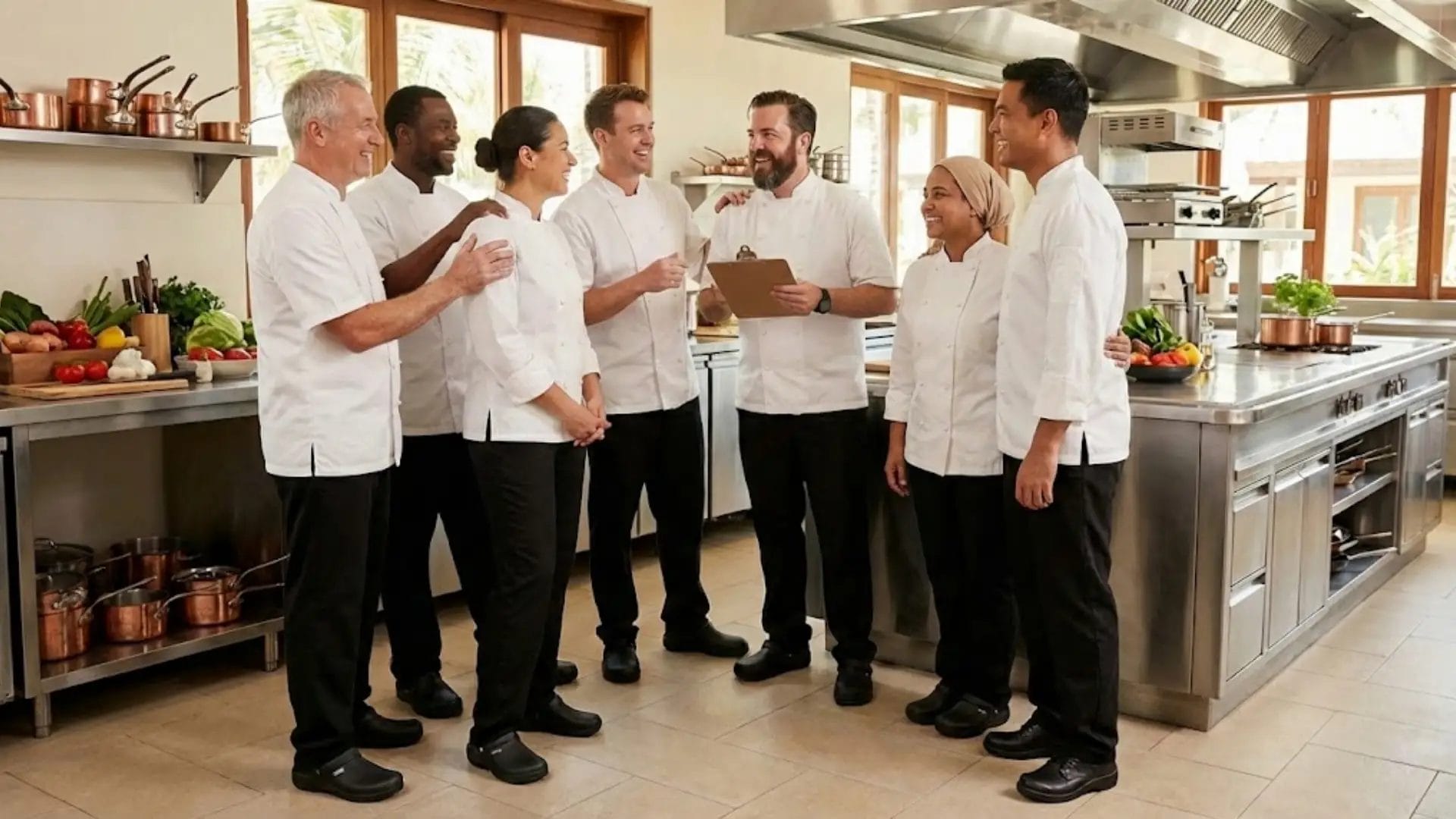
A conservative ROI sketch: If your 30-person BOH avoided just one replacement over a quarter, you’d recover roughly the sector’s average hard cost per hourly replacement as reported by Black Box Intelligence (2024). The actual break-even depends on pair cost, stipend size, and admin time—but the math turns quickly once you prevent a backfill.
Practical Example: Running a Small-Scale Pilot with a Professional-Grade Shoe
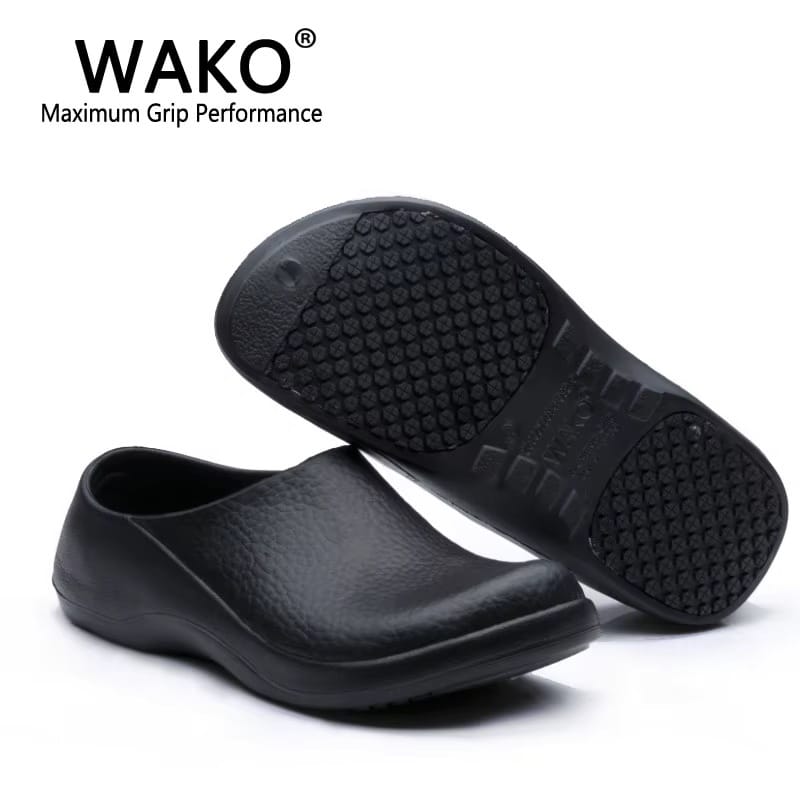
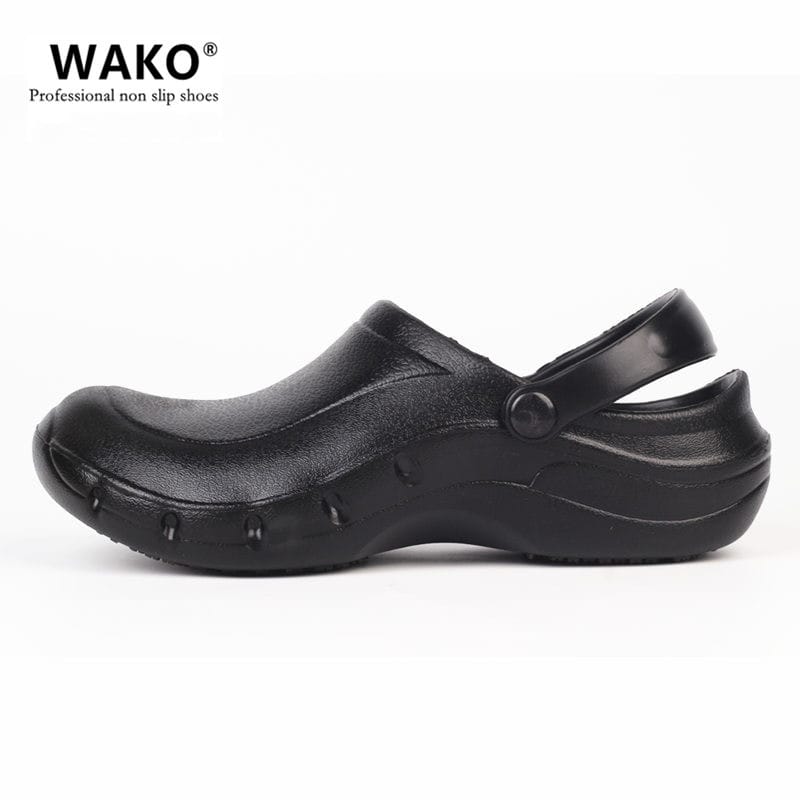
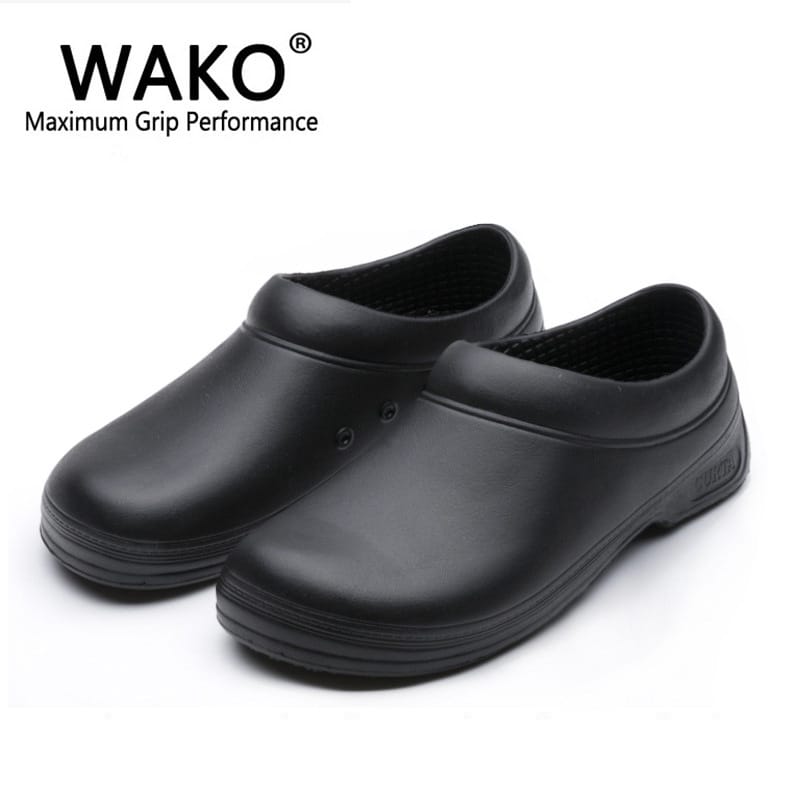
Disclosure: Wako is our product. For a contained trial, select a professional-grade, slip-resistant chef shoe tested to the ASTM framework and configured with ergonomic support. Provide pairs to line cooks and dish team members in one kitchen, set expectations for care and inspection, and run the KPI plan above.
As a reference point for the pilot, consider Wako Chef Shoes for their professional-grade focus, then contrast them with any alternative that meets the same criteria: documented slip resistance per ASTM F2913 with performance thresholds aligned to F3445, oil- and heat-aware materials, and supportive footbeds. Keep the comparison objective and note wear after 60 and 90 days. The goal isn’t brand promotion; it’s selecting a shoe you can defend on standards, durability, and fit across your team.
A Culture of Excellence: When Your Team Feels Supported from the Ground Up
Excellence in hospitality isn’t only guest-facing. It’s the quiet choices that protect the people who create your service—choices they feel in their knees and arches at the end of a shift and see in fewer spills becoming injuries. When leaders standardize proven traction and real comfort, they’re sending a message: we see the work, and we want you healthy enough to keep doing it well. And yes, it’s a smart business decision. Teams stabilize. Recruiting costs ease. Training sticks because people stay.
If you’re ready to move, run the 90-day pilot, measure simply, and let the results guide scale. The best work shoes for standing all day are not about fashion—they’re about giving your team a steadier floor and a better chance to finish every service strong.
Support your culinary team from the ground up. Don’t wait for the next slip incident to standardize your safety protocols. Explore the full technical specifications of our Wako Anti-Slip Chef Shoes or Request an Inquiry today to learn how we can help protect your frontline staff.