If you buy soap for a living, you already know the uncomfortable truth: “organic” is one of the most abused words in hotel procurement.
Some suppliers use it to mean “plant-based.” Others use it to mean “no SLS.” Some use it because the wrap is brown kraft paper. And every once in a while, a genuinely well-built bar shows up—one that holds up in humidity, lathers in hard water, doesn’t trigger a wave of guest skin complaints, and still looks premium on a vanity tray.
This guide is written for hotel procurement and purchasing managers who are past the marketing stage and are in the comparison stage: you’re trying to evaluate formulas, control risk, and make a decision you won’t regret three months into rollout.
Throughout, I’ll use Organic Soap as the primary keyword because that’s how most buyers search. But I’ll also be precise about what matters in the real world: ingredient function, documentation, packaging, and performance under hotel conditions.
What “Organic Soap” should mean in a hotel RFP (practically)
In a tender document, “organic” isn’t a vibe. It’s a spec.
At minimum, your Organic Soap requirements should ask for:
- Full ingredient list (INCI where applicable) and allergen disclosure for rinse-off products.
- Fragrance documentation (if scented). For buyers, an IFRA certificate is a practical baseline—see the Handcrafted Soap & Cosmetic Guild’s overview of .
- Packaging materials (paper type, coatings, inks) and substantiation for eco-claims.
- Stability expectations for humidity/temperature (tropical routes, island storage, bathroom conditions).
How the 9 ingredients were selected
These nine ingredients show up repeatedly in high-performing organic hotel soap and natural hotel soap formulations because they solve real operational problems:
- Keeping the bar from feeling stripping (guest comfort)
- Avoiding “mushy soap” waste in humid bathrooms
- Improving lather quality (especially in mineral-heavy water)
- Delivering a clean scent profile without irritating skin
- Supporting plastic-reduction goals and broader eco-friendly hotel amenities programs
Quick buyer tool: Ingredient-by-ingredient shortlist score (use this internally)
If you’re evaluating multiple vendors, score each bar from 1–5 on the criteria below. You’ll quickly see which “Organic Soap” claims are mostly packaging, and which suppliers have actually engineered a hotel-ready product.
| Criteria | What you’re looking for | Score (1–5) |
|---|---|---|
| Skin feel | No squeaky tight finish; suitable for frequent washing | |
| Lather in your water | Works in hard water; no “flat” foam | |
| Bar durability | Resists melting/mushiness in humidity | |
| Fragrance safety | Documentation and allergen disclosure | |
| Packaging credibility | Paper-based options with substantiation | |
| Supplier readiness | Sampling, QC, lead time, consistent batch-to-batch |
Key Takeaway: The best Organic Soap for hotels isn’t the bar with the loudest eco story—it’s the bar that still performs on day 70 of a rollout.
1) Olive Oil (Olea Europaea) — the “comfort oil” that prevents guest complaints
Olive oil is one of the most buyer-friendly Organic Soap ingredients because it’s easy to understand: it’s a gentle, skin-comforting base oil that helps the soap feel less stripping.
In hospitality, that matters for one reason: repeat friction. Guests wash hands more often than at home. In-room soaps become multi-use products for a couple, a family, or a business traveler who’s trying to feel human again after a flight.
What olive oil does in Organic Soap
- Supports a milder cleanse and a more conditioned skin feel.
- Improves perceived quality (guests notice when soap doesn’t leave a tight film).
Procurement questions to ask
- Is olive oil a core base oil or a “label oil” used in trace amounts?
- Can the supplier provide a stable spec sheet for batch-to-batch consistency?
Where DERBAL uses it (factual examples)
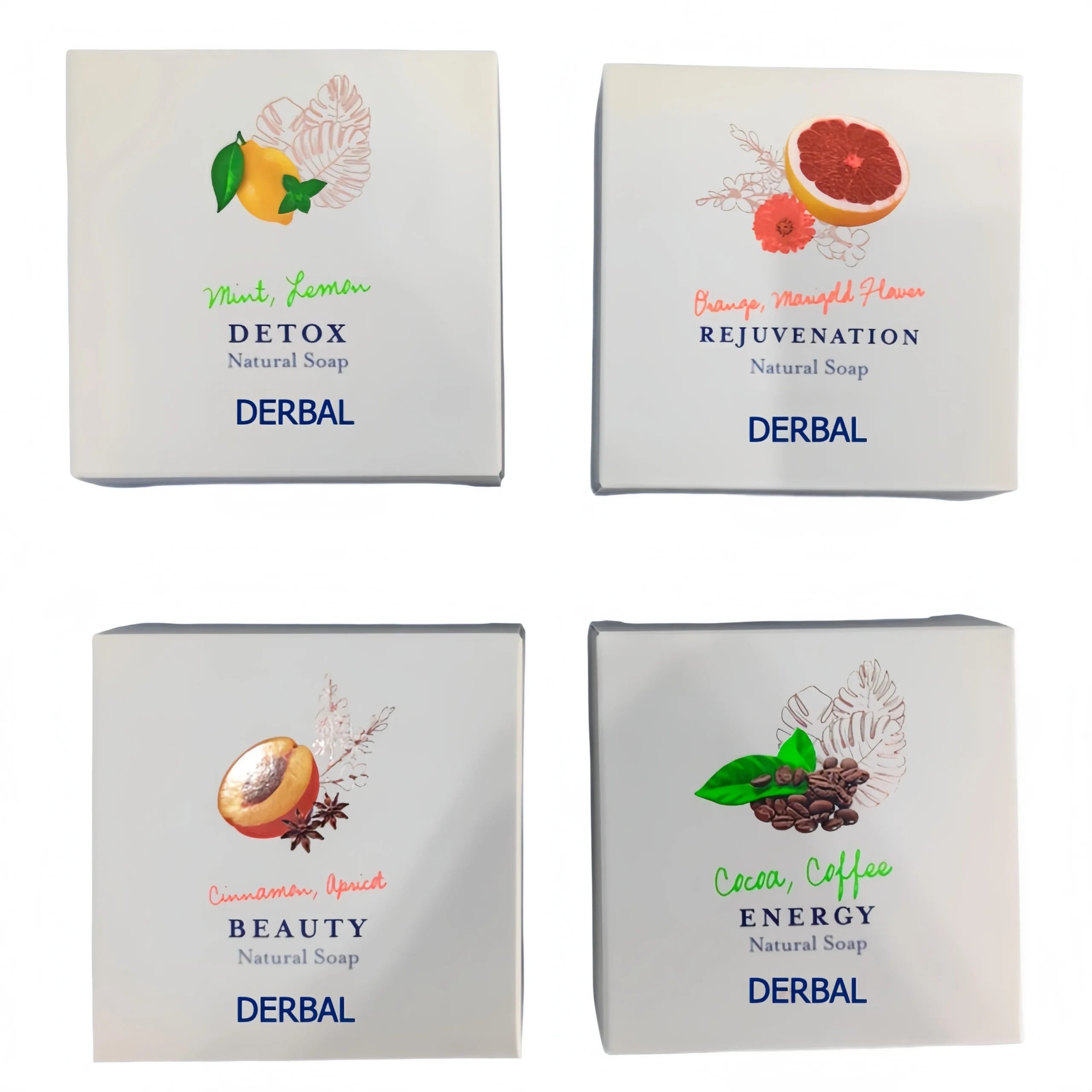
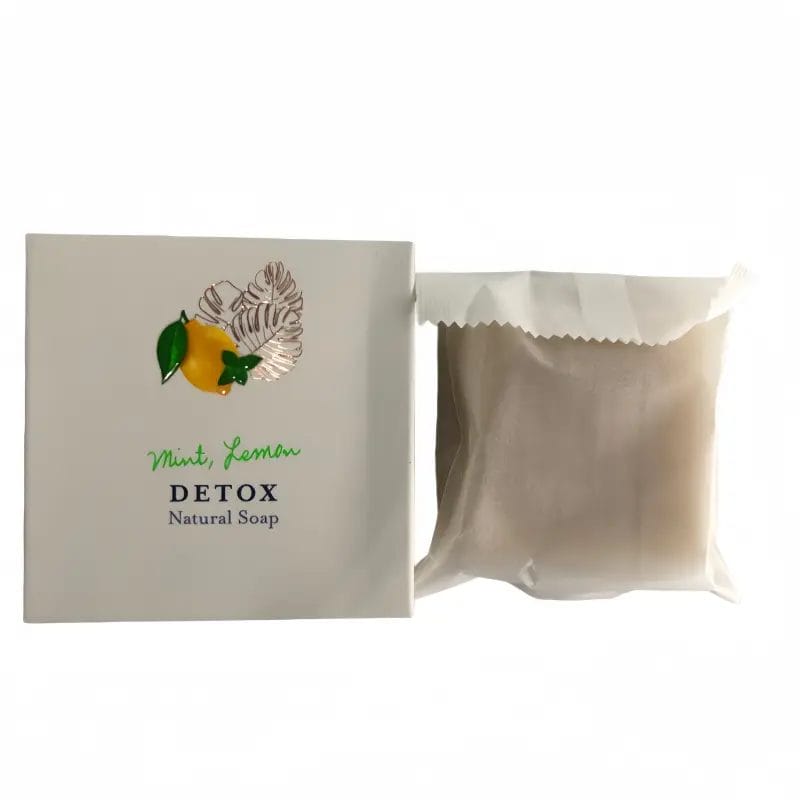
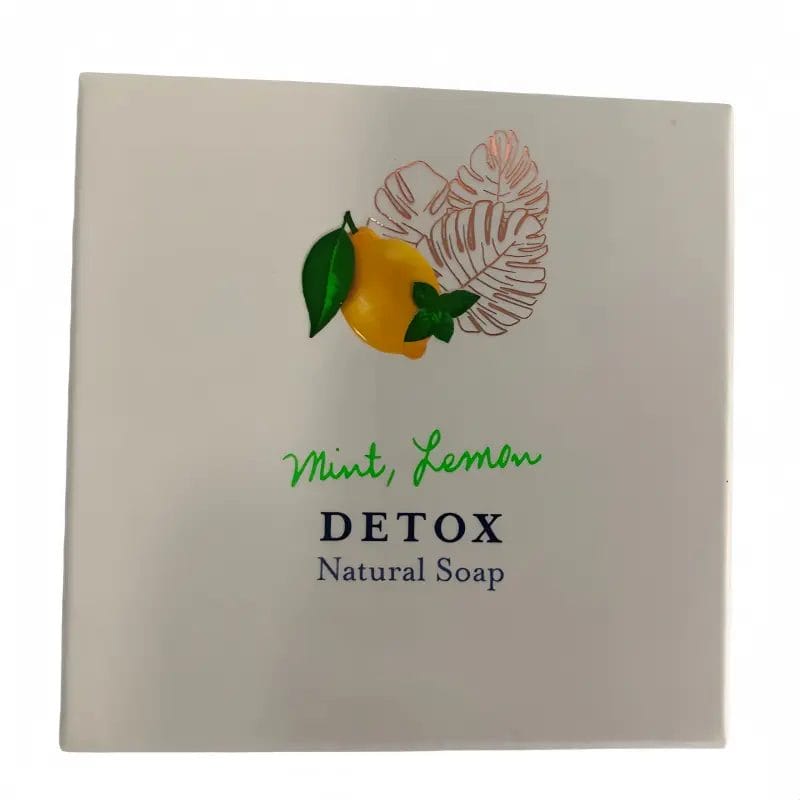
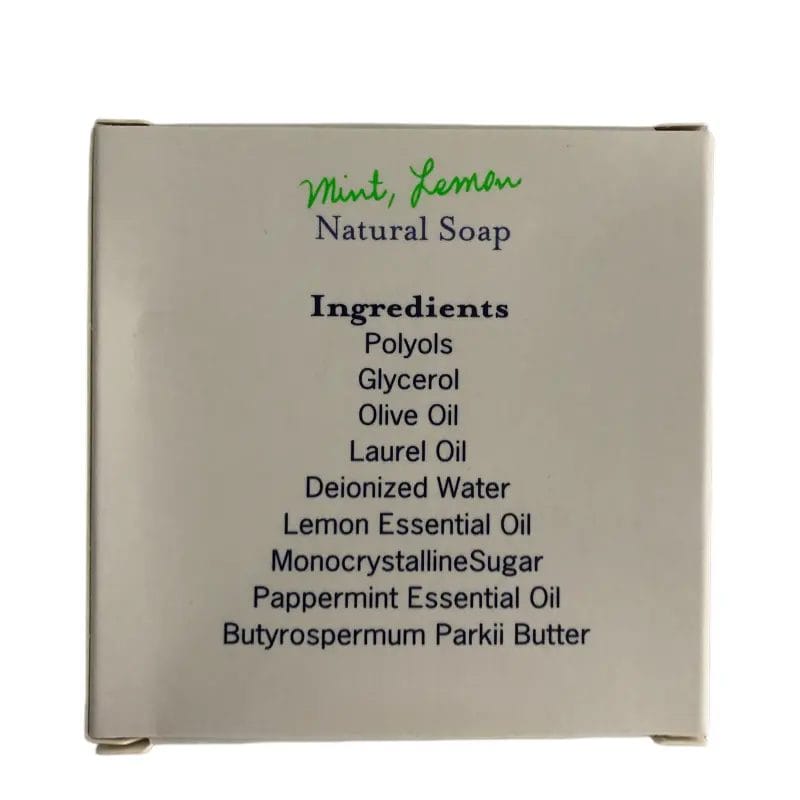
Olive oil appears across DERBAL’s natural soap series as a base oil. For example, the ingredient foundation on the DETOX Mint & Lemon bar includes olive oil as part of the INCI-style foundation described in DERBAL’s customization guide: .
2) Shea Butter (Butyrospermum Parkii) — the ingredient that stops “squeaky tight” skin
If you can only get one “luxury” ingredient right in an Organic Soap spec, make it shea butter.
In a hotel environment, shea butter solves a predictable pain point: soap that strips the barrier. That’s where the complaints come from—especially for guests with eczema-prone skin, frequent travelers, and anyone arriving from a long-haul flight.
What shea butter does in Organic Soap
- Adds rich, lipid-based conditioning, reducing that squeaky feeling.
- Helps the bar feel “premium” without relying on heavy fragrance.
Procurement questions to ask
- What is the percentage range used (even as a band)?
- Has the bar been tested for structural stability in humidity?
Where DERBAL uses it
DERBAL’s REJUVENATION Orange & Marigold natural soap positions shea butter as part of its lipid restoration base alongside other botanical fats and oils.
3) Glycerol / Glycerin — the humectant that makes “organic” feel expensive
Glycerin is a quiet ingredient, but in hotel soap it does a very loud job: it helps the bar feel less harsh.
When your guest is washing with a bar that’s heavy on detergents, the skin feels tight and “over-clean.” When glycerin is present at meaningful levels, the skin feels finished—as if there’s still moisture in it.
What glycerin does in Organic Soap
- Acts as a humectant, helping skin retain moisture.
- Supports a smoother glide and a less aggressive cleanse.
Procurement questions to ask
- Is glycerin naturally retained (common in some processes) or added? Either can work—what matters is the result.
- Is the formula prone to “weeping” in humidity (some glycerin-heavy bars can sweat if not engineered properly)?
Practical test you can run in 10 minutes
If you’re doing a side-by-side comparison during sampling, try this:
- Wet your hands, lather for 15 seconds, rinse.
- Wait 60 seconds without lotion.
- Ask two simple questions: Does skin feel tight? Does skin feel coated?
A good Organic Soap should land in the middle: clean, not squeaky; conditioned, not waxy.
4) Deionized Water — the ingredient nobody advertises, but housekeeping feels it
In procurement, you’ll see hundreds of “organic” ingredient stories. Deionized water is rarely one of them.
But for hotels, it matters because water used during processing can influence lather quality and residue behavior.
What deionized water does in Organic Soap
- Helps reduce mineral interference during production.
- Supports more consistent lather behavior across batches.
Procurement questions to ask
- Is the supplier controlling water quality during production?
- If your properties have hard water, ask how the soap performs in mineral-heavy environments.
Why hard water changes the economics
Hard water doesn’t just create guest feedback like “this soap doesn’t lather.” It quietly creates cost:
- Guests use more bar per shower/handwash because foam feels “flat.”
- Soap scum increases cleaning time (especially on marble and glass).
- Bars can get soft and slimy on certain trays when residue builds.
For internal alignment, this explainer on is a useful reference.
Procurement note: what to ask vendors for
If you operate across multiple regions, ask vendors for a simple statement: “Tested in hard water conditions” is vague. Better:
- Ask how they tested (water hardness range, duration).
- Ask what they did if performance was poor (formula adjustment, curing changes, or recommending dispensers for certain properties).
5) Laurel Oil (Laurus Nobilis) — the old-world ingredient that signals real soapmaking
Laurel oil shows up in traditional soapmaking (think Aleppo-style heritage) and, when used responsibly, it can be a meaningful differentiator in Organic Soap for hotels.
In procurement terms: laurel oil can function as a brand story ingredient without being fake. It’s not a glittery additive. It’s an actual oil with a long track record in soap.
What laurel oil does in Organic Soap
- Contributes to a more nuanced skin feel and a “true soap” character.
- Supports premium positioning without resorting to synthetic perfume.
Procurement questions to ask
- Is laurel oil listed as a base oil or an accent oil?
- How does the bar perform in humid storage and in-room soap dishes?
DERBAL example
Laurel oil appears as a base oil across DERBAL’s natural soap series. If you want a concrete citrus-botanical reference point for your scent comparisons, see .
6) Essential Oils (Orange, Peppermint, Lemon, Coffee, Cocoa, Cinnamon) — your scent strategy and your risk surface
For procurement teams, fragrance is where the most problems hide.
Scent drives guest perception. But fragrance is also where you can trigger:
- sensitivity complaints
- “too strong” feedback (especially in smaller rooms)
- documentation gaps at import
The key is to treat essential oils as a controlled spec, not romantic storytelling.
What essential oils do in Organic Soap
- Provide scent without relying on synthetic perfumes.
- Create a distinct “signature” feel in guest bathrooms.
Procurement questions to ask
- Request documentation for fragrance compliance and allergen disclosure (especially for multi-region rollouts).
- Ask for scent intensity options: light / medium / bold.
- Ask for a fragrance-free option for sensitive-skin rooms or brand standards.
DERBAL product examples (specific names + what they signal)
Below are specific Organic Soap / natural soap product names and keywords in this category, with practical buyer context:
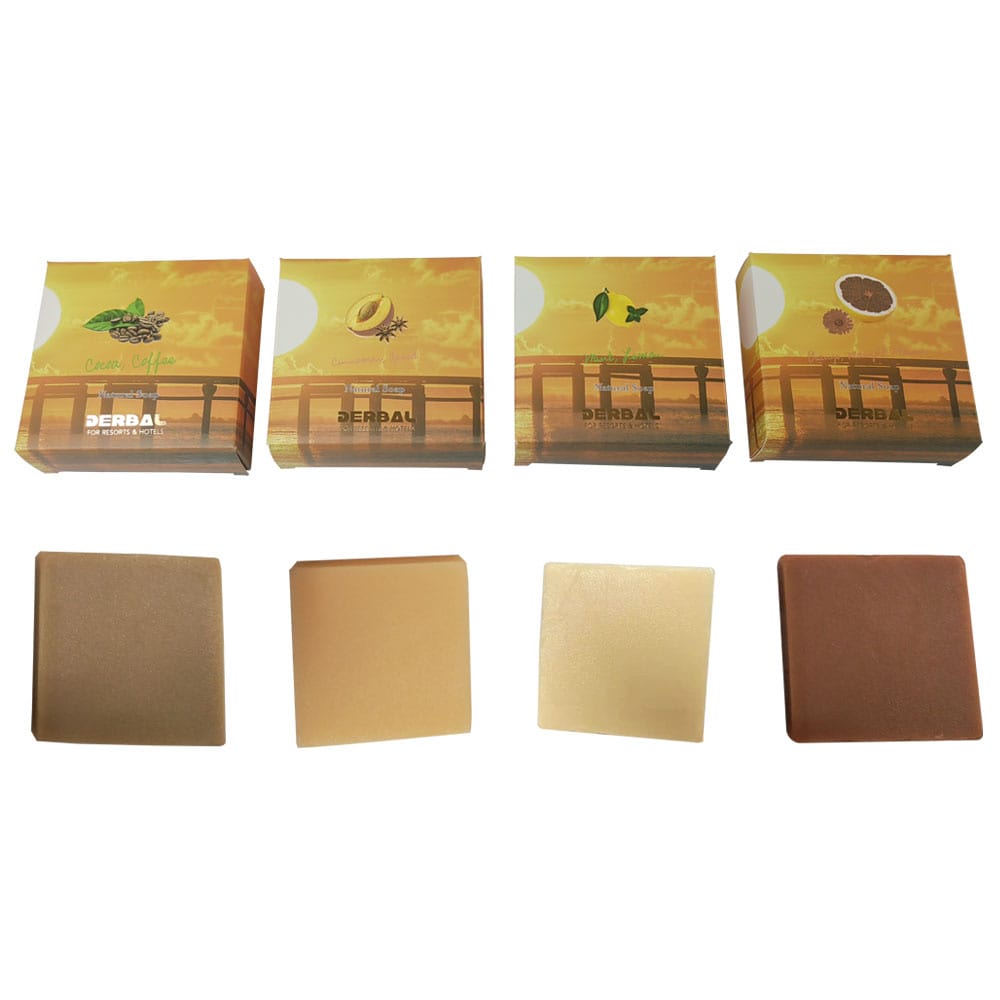
- DERBAL REJUVENATION Orange & Marigold Natural Soap — a restorative citrus-floral profile tied to calendula positioning.
- DERBAL DETOX Mint & Lemon Natural Soap — a crisp, “reset” profile that cuts through sunscreen and humidity associations: .
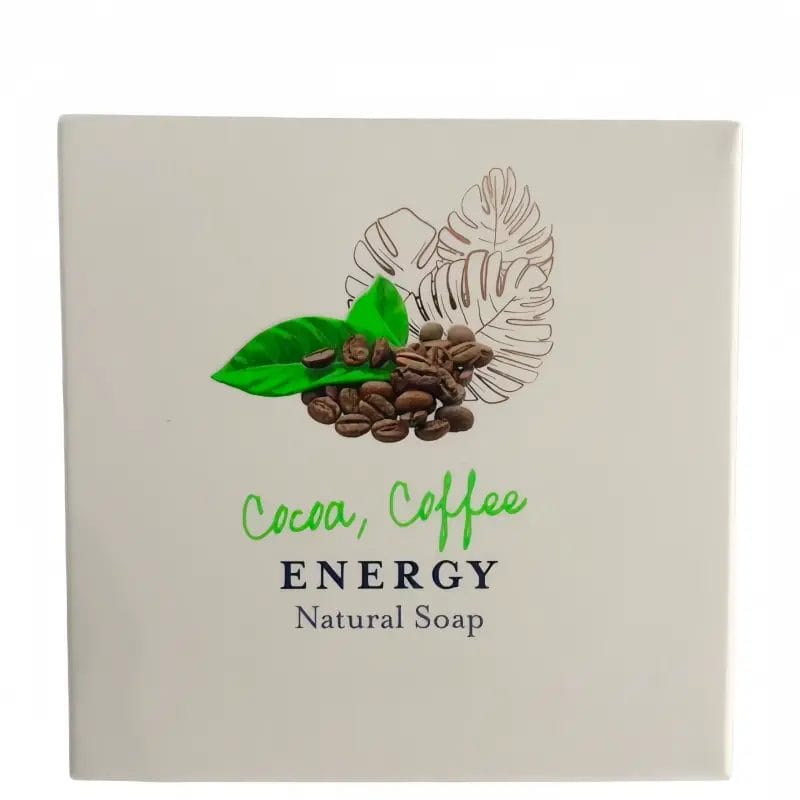
- DERBAL ENERGY Cocoa & Coffee Natural Soap — a warm gourmand profile for turndown/suite positioning: .
- DERBAL BEAUTY Cinnamon & Apricot Organic Natural Soap — a boutique spicy-fruit profile: .
- Hotel handmade essential oil soap (keyword category) — useful when you need a more artisanal positioning for villas, spa suites, or VIP gifting.
- Custom hotel soap (OEM/private label) (keyword category) — the procurement route when brand standards require logo stamping, bespoke wraps, and consistent cartonization.
⚠️ Warning: Essential oils are natural, but “natural” does not mean “risk-free.” Citrus and spice oils are common sensitivity triggers. For multi-property rollouts, plan a fragrance-free or low-allergen option.
Case study vignette: JOALI Maldives (scent + climate reality)
Why it’s relevant: island resorts expose every formulation weakness—humidity, heat, salt air, and heavy guest shower use.
At JOALI Maldives, the procurement challenge isn’t only “nice scent.” It’s maintaining bar integrity and guest comfort in a high-humidity environment where soaps can soften quickly.
A practical evaluation approach for JOALI-style properties:
- Test a scented bar next to a fragrance-free control.
- Run a 7-day bathroom trial: soap dish drainage, bar mushiness, scent carry in-room.
- Confirm packaging holds up in transit (carton strength, humidity resistance).
7) Calendula (Marigold) Essential Oil — when you want a “recovery” story without medical claims
Calendula is popular because it maps cleanly to what guests feel: skin that’s irritated from sun, wind, or travel.
Procurement note: you don’t need medical claims. You need ingredients that align with a plausible guest benefit and a consistent scent profile.
What calendula does in Organic Soap
- Supports a gentle, calming positioning for travel-stressed skin.
- Adds botanical credibility beyond generic “herbal” language.
Procurement questions to ask
- Is calendula present as an essential oil/extract and how is it documented?
- How does the supplier prevent the formula from drifting into unsubstantiated therapeutic claims?
8) Monocrystalline Sugar — gentle exfoliation that doesn’t turn into a housekeeping problem
Exfoliation in hotel soap is tricky.
Some “scrub” additives look great in a marketing photo, then create:
- scratchy guest feedback
- residue in the soap dish
- extra cleaning steps for housekeeping
Sugar works differently because it’s soluble.
What monocrystalline sugar does in Organic Soap
- Provides gentle micro-buffing that dissolves during use.
- Supports a spa-like feel without abrasive particles.
Procurement questions to ask
- Is the exfoliant fully water-soluble?
- Does it impact bar firmness or shelf stability?
Practical housekeeping test
Put two sample bars on the exact tray/dish you use in rooms. After 24 hours:
- If a bar has turned to paste, it’s not a “guest issue.” It’s a spec issue.
- If the tray is coated in residue that requires scraping, it’s going to add seconds per room.
Those seconds matter when you scale.
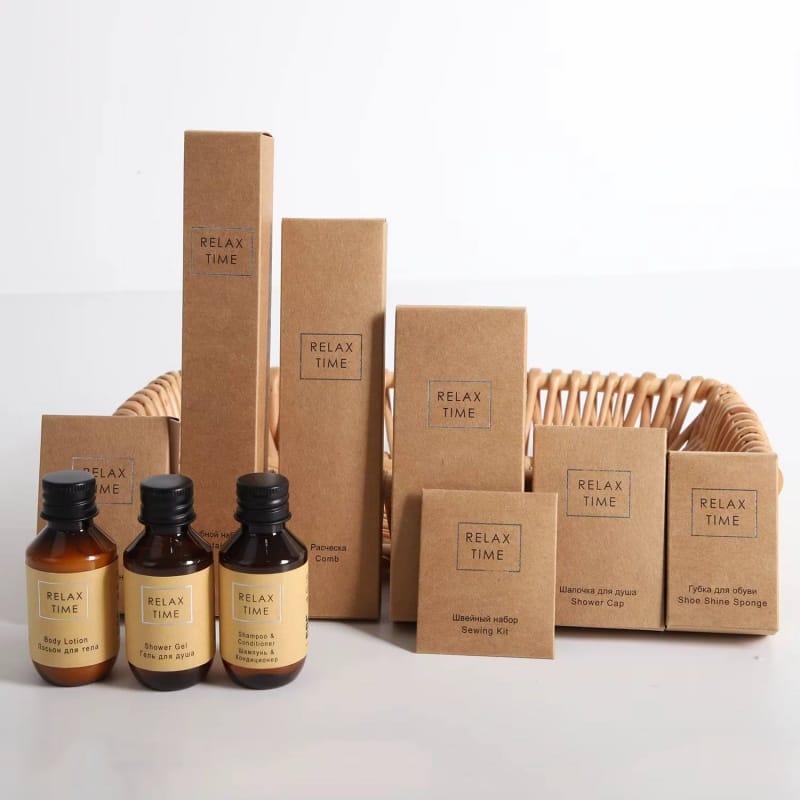
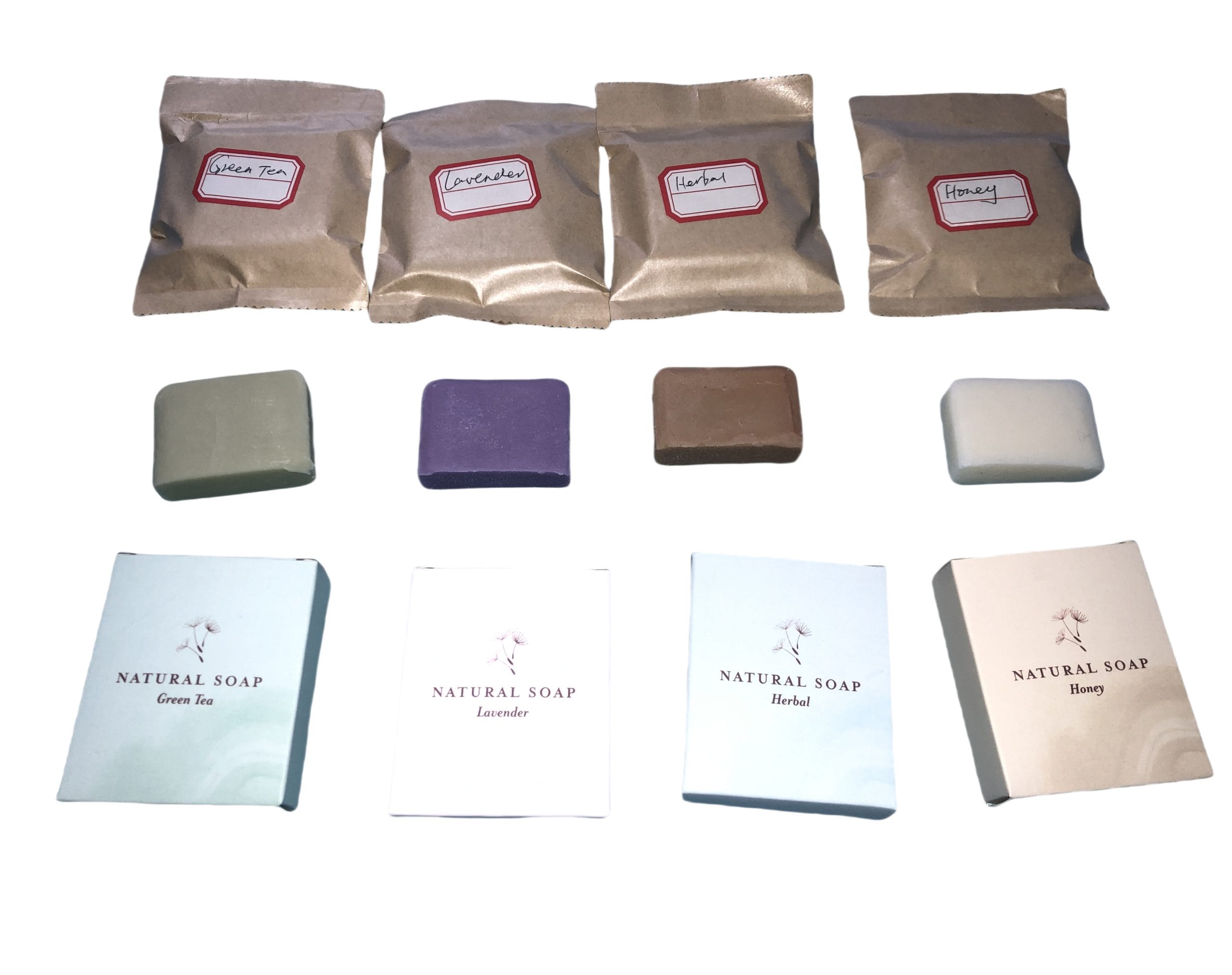
9) Paper-Based Eco Packaging (FSC kraft wrap, pleated wrap, boxes) — because packaging is part of the product now
In 2026, packaging decisions are no longer separate from product decisions. Guests see the wrap first. Housekeeping opens it. Sustainability teams audit it.
For procurement, eco packaging needs to be credible and operational:
- opens cleanly with wet hands
- survives humid transit
- doesn’t shed fibers or ink
- meets brand standards visually
What packaging does for Organic Soap procurement
- Reduces plastic exposure and supports sustainability positioning.
- Becomes part of the guest experience (premium feel, brand story).
Procurement questions to ask
- What paper stock options are available (kraft wrap, pleated wrap, box)?
- Are inks and coatings compatible with recycling streams?
- If FSC is used, ask for chain-of-custody substantiation. FSC explains how chain-of-custody works here: .
Where DERBAL fits (one-stop + standardization)
If you’re sourcing hotel soap bulk and need consistent wraps across properties, look for suppliers who can control formula + packaging + logistics in one workflow.
For properties moving away from single-use plastics but not ready to abandon bar soap, a pragmatic hybrid approach is to standardize bars for guestrooms while shifting high-volume public areas to dispensers. DERBAL’s own dispenser strategy guide can help internal stakeholders align on that shift: .
Conclusion: How to shortlist Organic Soap suppliers without getting trapped by unit price
If you’re building a shortlist, here’s a procurement sequence that reduces rework:
- Lock the spec before artwork. Size (20g/30g/50g), wrap type, case count, scent intensity.
- Request the documentation pack: ingredient list/INCI, allergen disclosure, fragrance documentation.
- Run a housekeeping trial: 7 days in a real bathroom. Track mushiness, residue, soap dish cleanup time.
- Compare total landed cost per room night, not per bar.
RFP language you can copy (ingredient + documentation section)
If your tender documents are too vague, suppliers will fill in the blanks with marketing. A tight spec keeps everyone honest and makes quotes comparable.
Here’s a copy-ready snippet you can paste into an RFP for Organic Soap bars:
- Provide full ingredient list (INCI where applicable) and disclose fragrance allergens for a rinse-off cosmetic.
- Confirm fragrance documentation availability (e.g., IFRA Category 9 certificate) and state whether a fragrance-free option is available.
- State base oils/butters used (e.g., olive oil, shea butter) and note any known sensitizers (citrus and spice oils).
- Provide packaging specifications: primary wrap type, paper/film composition, ink type, and recycling/disposal guidance.
- Provide stability expectations for humid environments and recommended in-room storage/soap dish requirements.
- Quote MOQ per SKU, lead time for first production, and lead time for repeat orders.
A fast, non-negotiable trial (before you sign off)
Even if you trust your current supplier, run the same simple trial for every candidate bar:
- Housekeeping test: place the bar on your real tray/dish for 24 hours, then again for 72 hours. Note mushiness, residue, and cleanup time.
- Guest comfort test: rinse, wait 60 seconds, and check tightness/irritation on sensitive skin.
- Scent control test: open a wrapped bar in a small bathroom, close the door for 10 minutes, then re-enter. If the scent punches you in the face, it will do the same to guests.
This trial is cheap. Replacing an underperforming amenity across properties is not.
And if you’re rolling out across regions, add one more check: place a wrapped bar in a hot storage area (around 30–35°C) for 72 hours. If the wrap warps, ink transfers, or fragrance “blooms” into the carton, you’ve just found a future complaint before it becomes a purchase order.
Medium-commitment next step: request a sample kit and spec sheets
If you want to evaluate multiple scents and base formulas side-by-side, request a sample kit with ingredient sheets and packaging options.
A practical comparison set from the DERBAL range:
- REJUVENATION Orange & Marigold for a recovery-style citrus-botanical profile.
- DETOX Mint & Lemon for a fresh, “reset” profile.
- ENERGY Cocoa & Coffee for suites/turndown differentiation.
- BEAUTY Cinnamon & Apricot for a boutique, warm signature scent.
Case study vignette: Ritz Carlton (brand standards + consistency)
Luxury flags like Ritz Carlton typically care as much about consistency as they do about ingredients. The ingredient list can be excellent, but if the bar size shifts, the wrap color varies, or cartons arrive with damage, the rollout becomes a brand-standard issue.
A procurement-friendly approach for this tier:
- Approve a pre-production sample with final paper stock and live print.
- Confirm logo stamping and legibility under bathroom lighting.
- Define QC tolerances for weight and wrap integrity before scaling.
Quote request: get pricing built around rollout realities
Send three details to get a quote that’s actually useful:
- bar size(s) and fragrance intensity
- packaging choice (kraft wrap / pleated wrap / box)
- destination port(s) and expected monthly volume
That’s how you avoid the classic trap: low unit price, high waste, and a second tender six months later.